How to Fix a Grinder that Sounds Like a Jet Engine
I remember the moment clearly—my morning ritual was disrupted by an astonishing noise emanating from my grinder. Instead of the usual rhythmic whirr, it blared like a jet engine preparing for takeoff. At first, I thought I had unintentionally activated some secret turbo mode or that a spaceship was landing in my kitchen. Turns out, that deafening sound was a warning sign that something was seriously wrong with my trusty coffee grinder, and I had no idea how to fix it. Sound familiar? If your grinder has suddenly turned into a roaring beast, you’re not alone. Many coffee enthusiasts face this frustrating problem, and trust me, it’s more common than you think. The good news is, there are effective solutions to silence that wild noise, restore your equipment, and keep your mornings serene again.
Why Does My Coffee Grinder Sound Like a Jet Engine?
Understanding why your grinder is screaming like a jet engine is the first step to fixing it. Usually, it’s due to worn-out burrs, misaligned components, or a buildup of coffee dust causing excessive vibration. These issues make the motor strain, resulting in that loud, unsettling noise. Early on, I made the mistake of ignoring the grinding noise, thinking it was just a quirk. That only led to more damage and an even louder racket down the line. Learning to identify the root cause and maintain your grinder can save you money—and your sanity. Want to delve into the details of choosing the right grinder to avoid such frustrations? Check out this guide on [how to select the perfect coffee grinder](https://espressotechguide.com/how-to-select-the-perfect-coffee-grinder-for-your-brew).
Is Your Grinder’s Noise Worth Worrying About, or Just Annoying?
Many people dismiss a loud grinder as just an eccentricity or a minor issue. However, persistent, abnormal noise often indicates underlying problems that can shorten your machine’s lifespan or ruin your carefully calibrated grind. I learned this the hard way when a neglected bearing failed, causing costly repairs. Don’t fall into the trap of thinking it’s just a noisy workout—your grinder may be signaling that it needs attention. Curious about the risks of ignoring these sounds? It might be time to [learn how to silence a loud vibratory pump](https://espressotechguide.com/how-to-silence-a-loud-vibratory-pump-with-a-simple-mod) or explore other maintenance tips.
Now that we’ve acknowledged the why behind that jet-engine noise, let’s move on to practical steps to tame this beast, so your mornings can be peaceful once more. Are you ready to bring back the calm and keep your coffee ritual smooth? Let’s dive into the fixes that will quiet your grinder—and keep it running like new.
}]}#}# If you have faced the problem of your grinder sounding like a jet engine, you’re not alone. Many coffee lovers encounter this issue, often due to worn burrs or misaligned components, leading to excessive noise and potential damage. The good news is that with proper maintenance and some simple fixes, you can silence that roaring beast and restore your grinder’s quiet operation. Ready to learn how to fix this problem and enjoy peaceful mornings again? Let’s explore the practical steps to tame your noisy grinder. Are you prepared to restore tranquility to your coffee routine? Let’s get started!
Disassemble with Precision
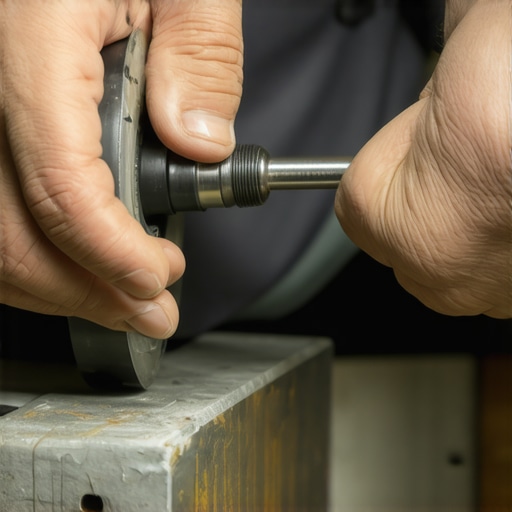
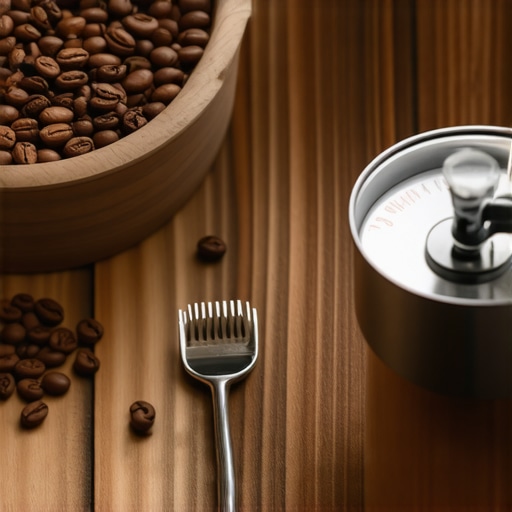
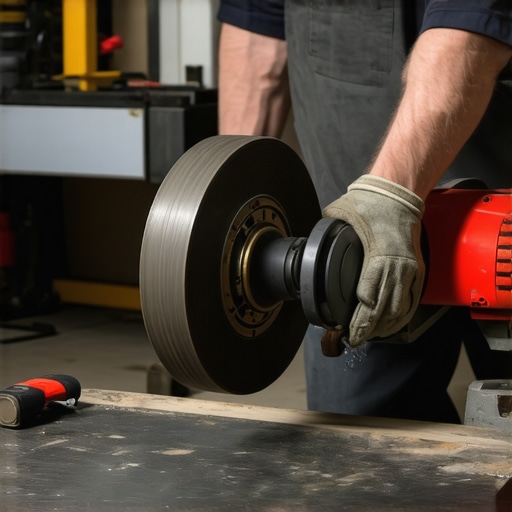
Start by unplugging your grinder to ensure safety. Remove the hopper, which is often just a twist or a latch away. Carefully take out the burrs—these are the heart of your grinder that crush coffee beans evenly. Use a soft brush to clear away accumulated coffee dust and debris. I once neglected this step, and the dust buildup caused a high-pitched squeal; cleaning eliminated the noise instantly. Remember, a clean burr set not only quiets your grinder but also improves grind consistency. If you’re unsure about removing burrs or need guidance, visit how to replace your grinder burrs for detailed instructions.
Inspect and Replace Worn Parts
Check the burrs for wear and tear. Worn burrs wobble or produce uneven grinding, which causes excessive motor strain and noise. If the edges are dull or chipped, replacing them is essential. To avoid guesswork, measure burrs’ thickness and compare with manufacturer specs. Additionally, examine the bearings—if they’re grinding or wobbling, they need replacing. I once thought a noisy grinder was a motor issue until I realized the burrs were dull, causing the motor to work harder. Replacing burrs or bearings requires a bit of patience; follow these tips in this guide. Proper parts installation prevents future misalignment that amplifies noise.
Align Components Correctly
Misaligned burrs or improperly seated parts create vibrational noise. After reassembling, ensure burrs sit flush with the motor spindle, and all screws are snug but not overtightened—overtightening can warp parts and cause imbalance. I remember tightening everything too much, which worsened the noise; loosening slightly restored balance. Use a torque wrench if possible, matching torque specifications. For detailed alignment procedures, consult adjusting your grinder’s alignment.
Clean and Lubricate Thoughtfully
Remove residual coffee dust from moving parts. Applying food-grade lubricant to the shaft and gears can diminish squeaks. Avoid over-lubricating, which attracts dust and grime, worsening the problem. I once used WD-40, which resulted in sticky parts and more noise; instead, opt for specialty lubricants made for small appliances. Regular cleaning and light lubrication keep your grinder running smoothly and quietly. For best results, check out this cleaning technique.
Reassemble and Test
Carefully put your grinder back together, reversing the disassembly steps. Double-check that all screws and parts are secure to prevent vibrations. Plug it in and grind a small amount of beans to test the noise level. If sound persists, revisit previous steps—sometimes, small misalignments or leftover debris are the culprits. Keep a record of what you’ve cleaned or replaced; it helps troubleshoot recurring issues. Once silent operation is achieved, enjoy your peace of mind and a quieter morning brew. For more maintenance insights, explore PID calibration tips.Many coffee enthusiasts believe they understand their equipment fully, but in reality, some of the most widespread beliefs are based on misconceptions. One such myth involves the assumption that all burr grinders are created equal—that any grinder with burrs will produce an evenly ground coffee. In truth, the quality and design of burrs significantly impact grind consistency and flavor extraction, making it essential to choose the right grinder from reputable options like those discussed in how to select the perfect coffee grinder for your brew. Another prevalent misconception is that more expensive espresso machines automatically deliver superior results. While higher-end models often incorporate advanced features, factors like temperature stability and shot timing are equally critical, as detailed in top-rated espresso machines for coffee lovers in 2025. Many also believe that milk frothers alone can ensure perfect microfoam. However, even the best frother requires proper technique and timing, which you can master by exploring milk frothers that transform your coffee experience. It’s a trap to think that equipment alone guarantees quality; mastery and understanding are equally vital components.
Have you ever fallen into this trap? Let me know in the comments.
### Are All Coffee Grinders Created Equal?
Contrary to popular belief, not all grinders are equal in performance and durability. Cheap burr grinders might seem like a cost-effective solution, but they often lack the precision needed for optimal espresso brewing, leading to inconsistent extraction and flavor loss. Investing in a grinder with high-quality burrs—such as ceramic or flat steel—can drastically improve your brewing outcome. Moreover, regular maintenance like cleaning burrs and calibrating grind settings ensures your machine functions at its best. For insight into choosing the best grinder tailored to your needs, check out this guide. Remember, a well-chosen grinder combined with proper maintenance is key to a perfect cup.
### Why Do People Overlook Maintenance with Expensive Equipment?
Many believe that investing in a luxury espresso machine or professional-grade grinder means minimal upkeep. However, neglecting regular cleaning can lead to buildup of coffee oils, mineral deposits, and even mold—causing off-flavors and equipment failure. For example, overlooked group gaskets or portafilters can become breeding grounds for bacteria, affecting both taste and safety. Proper maintenance routines are outlined in this quick gasket replacement guide. Incorporating routine cleaning and inspections ensures longevity and consistent performance, preventing costly repairs and taste impairments.
### Can You Rely Solely on Equipment Quality?
Equipment quality is undeniably important, but many underestimate the importance of technique—especially for enthusiasts seeking barista-level results at home. Techniques such as dosing, tamping pressure, and shot timing can make or break your espresso regardless of the machinery used. Even the most advanced machine can’t compensate for poor technique. This nuance is often overlooked by beginners who focus heavily on gear upgrades instead of learning proper barista skills. To develop these skills, I recommend exploring home espresso tips for beginners. Combining quality equipment with mastery over technique transforms your coffee from average to outstanding.
Invest in the Right Tools for Longevity
Having the proper equipment is fundamental for maintaining your coffee setup. I personally rely on a digital caliper to measure burr thickness precisely—the detailed guide on replacing grinder burrs emphasizes how critical accurate measurements are to preserve grind consistency. Additionally, a high-quality microfiber cloth is indispensable for cleaning sensitive components without scratching them. For calibrating your espresso machine’s pressure, I use a precision pressure gauge—it ensures optimal extraction time and flavor. Investing in these tools means fewer breakdowns and consistently excellent brews over time.
What’s the secret to long-term espresso machine health?
Regularly scheduled maintenance is the backbone of a durable setup. Instead of waiting for a critical failure, I recommend setting monthly reminders to check and clean key components. For example, removing and inspecting the group gasket can prevent leaks and pressure drops. If you’re unsure how to do this efficiently, this quick guide walks you through the process step-by-step, making maintenance both straightforward and quick.
Tools That Make Maintenance Easier
One underrated but powerful tool I utilize is a small inspection mirror. It helps me see into tight spots, especially around the burr chamber, without disassembling the entire grinder. This saves time and reduces accidental damage. For cleaning delicate parts like the shower screen, a specialized cleaning brush ensures thorough removal of coffee oils and residues. Incorporating the right tools into your routine not only extends your equipment’s lifespan but also keeps your coffee tasting pristine.
Predicting Future Trends
Looking ahead, I believe automation and smart diagnostics will revolutionize home barista setups. Integrating sensors that monitor wear and automatically schedule maintenance could become standard, reducing downtime and guesswork. Already, some high-end machines incorporate workflow optimization features that hint at this future, and I predict a surge in AI-powered maintenance apps for gear calibration. Staying ahead means embracing these tools early, ensuring your coffee routine remains seamless.
How do I keep my gear functioning perfectly over time?
Consistent, proactive maintenance is key. Clean your grinder burrs weekly, descale your espresso machine every three months, and inspect seals for wear. Using precise tools like a PID controller helps maintain stable temperatures essential for quality extraction. Remember, an ounce of prevention beats a pound of repair—regular inspections and quick fixes make a world of difference. For inspiring insights, check out the latest innovations in barista gear.
The Hardest Lesson I Learned About Coffee Equipment
One of my biggest realizations was that neglecting regular maintenance turns even the best coffee grinder into a noisy nightmare. I used to think a little dust was harmless, but now I know that upkeeping burrs and bearings is essential to keep things whisper-quiet. Skipping these steps not only damages your grinder but also compromises your brew quality—a reminder I won’t forget anytime soon.
Why Equipment Alone Isn’t Enough
Initially, I believed that investing in high-end machines meant I could skip detailed care routines. That myth was shattered when I faced a stubbornly loud grinder that refused to quiet down. Turns out, technique and consistent cleaning are just as vital as hardware. Mastering simple tasks like proper alignment and timely cleaning can significantly extend your gear’s lifespan and your peace of mind.
Personal Tip for Long-Term Satisfaction
I found that creating a routine—weekly burr cleaning, monthly descaling—transformed my coffee experience. Using dedicated tools like a small inspection mirror and food-grade lubricants made maintenance more effective and less intimidating. Investing in these tools is a game-changer, allowing you to enjoy silence and consistency for years to come.
Tools That Changed My Approach
My favorite resource is the detailed [guide on replacing grinder burrs](https://espressotechguide.com/how-to-replace-your-grinder-burrs-without-losing-your-settings). It demystified the process and saved me from costly repairs. Additionally, a good digital caliper ensures precise calibration, making adjustments straightforward. For quick cleaning, a quality brush designed for coffee machines keeps dust and oil at bay, maintaining both quiet operation and flavor quality. Gathering these tools has genuinely elevated my barista game and confidence.
Inspiration to Keep Going
Remember, the journey to a quiet, reliable coffee setup is ongoing but incredibly rewarding. Embrace regular maintenance, invest in the right tools, and learn the nuances of your equipment. With time and effort, your mornings can transform from stressful to serene, all thanks to better handling of your favorite barista gear.
Have You Made This Mistake?
Have you ever ignored a strange noise from your grinder only to find it caused more damage? Share your experience below—I’d love to hear how you handled it and what lessons you learned along the way.