The Trick for Getting All the Grounds Out of Your Grinder
Ever been halfway through your morning ritual and suddenly realize you’re left with a mountain of coffee grounds stuck stubbornly inside your grinder? I used to think my grinder was just a finicky beast, refusing to cooperate after a few uses. That frustrating moment—where no amount of tapping or brushing seemed to clear the mess—became a daily annoyance. It wasn’t just an inconvenience; it started affecting the flavor of my espresso, and frankly, I felt like I was throwing money down the drain.
Why Getting Every Bit of Grounds Out Matters
Properly cleaning out your grinder isn’t just about aesthetics or keeping your machine in good shape. It directly impacts the taste and consistency of your brew. Coffee grounds left behind can become stale or humid, introducing unwanted flavors or even clogging the burrs, which compromises the grind size and shot quality. Trust me, investing a few minutes to master the art of grounds removal has transformed my coffee experience entirely.
Have you ever faced that stubborn leftover coffee in your grinder?
If yes, you’re not alone. When I first started, I made a mistake early on—using a metal brush that was too harsh for my grinder’s burrs. It scratched the surfaces and worsened the problem. Since then, I’ve learned that the right tools and techniques make all the difference, turning this chore into an easy routine. To explore more about choosing the best gear, I recommend checking out this guide on barista gear.
Stay tuned. I’ll walk you through my favorite tips and tricks to get every last bit of grounds out, keeping your grinder—and your coffee—fresh and flavorful. Once you get these down, you’ll wonder why you ever *didn’t* do this regularly.
Start with the Right Tools and Prepare Your Workspace
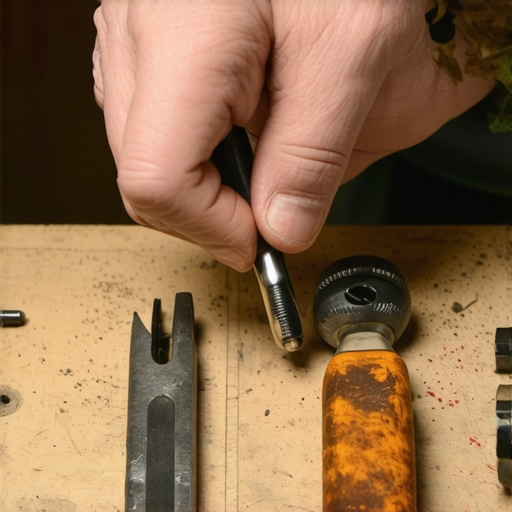
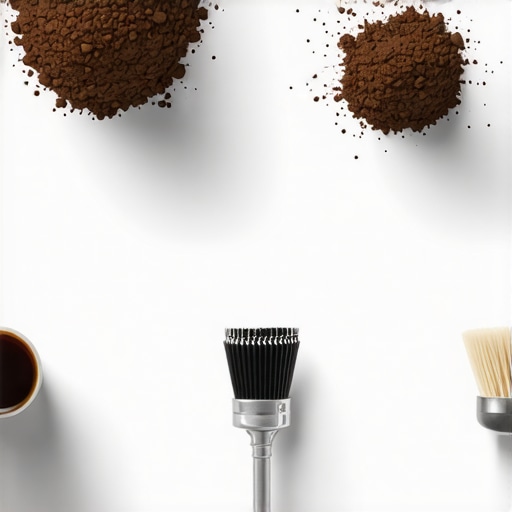
Before diving into cleaning, gather your tools: a soft-bristled brush, a microfiber cloth, and if necessary, a cleaning putty or specialized grinder brush. Clear your workspace to avoid any accidental drops or lost parts. I remember the first time I cleaned my grinder; I laid everything out on a folded towel, which made the process smoother and prevented any parts from rolling away.
Disassemble the Grinder Carefully
Remove the hopper and any detachable parts like the upper burr or dosing chute. Use the user’s manual to ensure correct disassembly to avoid damaging delicate components. During my initial attempt, I rushed and ended up knocking loose some tiny screws—so patience here is key. Proper disassembly exposes hidden coffee residues and prepares the grinder for effective cleaning.
Loosen and Remove Coffee Grounds
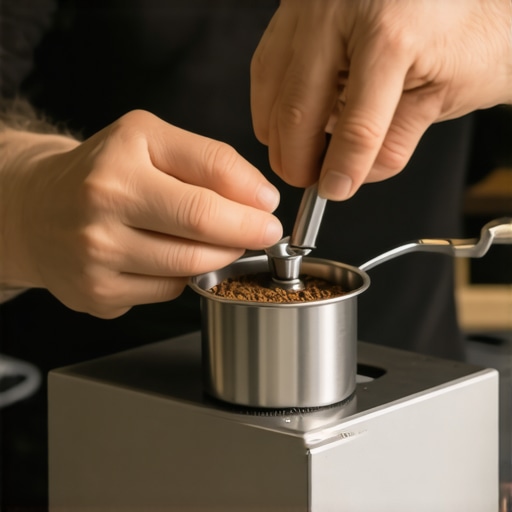
Start by tapping gently or using a soft brush to loosen stuck grounds. For stubborn residue, use a plastic or wooden tool—metal may scratch burrs. I once faced a stubborn clump caked under the burrs; applying a little bit of warm, soapy water with a brush loosened it right away. For deep cleaning, consider using a dedicated grinder cleaning putty, which can lift grounds from hard-to-reach places without residue left behind.
Use a Dosing Funnel to Minimize Dust
To contain the mess, place a dosing funnel or a piece of paper under the grind outlet while removing grounds. This simple step prevents coffee dust from scattering across your counter and reduces cleanup time later. I learned this the hard way when coffee dust covered my entire kitchen—so now, I always use a funnel for this step.
Clean the Burrs and the Housing
Wipe the burrs with a damp cloth or brush away residual grounds. For more thorough cleaning, lightly brush or vacuum around the burrs, avoiding water near electrical parts. A quick tip: avoid using harsh chemicals or abrasive brushes, which can damage your grinder. Periodic cleaning like this ensures consistent grind size and preserves the burrs’ sharpness, maintaining brew quality over time. For detailed tips on maintaining your grinder, visit this guide.
Reassemble and Test the Grinder
Carefully reattach the burrs, hopper, and other parts in reverse order. Ensure everything is seated correctly; misalignment can cause uneven grinding or blockages. During my last cleanup, I made the mistake of not tightening the burrs enough, which caused inconsistent grounds. Once reassembled, run a small amount of beans through to check for proper operation and access any residual cleaning agents. Remember, regular maintenance prevents buildup and extends your grinder’s lifespan.
Implement Routine Maintenance for Long-Term Performance
Schedule cleaning sessions every few weeks, depending on usage. Incorporate quick brush-offs after each use to prevent grounds from becoming compacted. A quick wipe down of the exterior with a damp cloth will keep your grinder looking sharp and functioning efficiently. For a comprehensive routine, check out this resource. Regular care ensures every shot remains flavorful and consistent, making your home espresso setup truly shine.Many home baristas fall into misconceptions that hinder their espresso journey. For instance, there’s a widespread belief that expensive equipment guarantees perfect shots; however, even high-end machines can produce subpar espresso if not properly calibrated or used thoughtfully. Let’s dig deeper into this myth and understand that mastery often hinges on technique, not just gear quality.
Another common trap involves the assumption that more expensive grinders always create better espresso. While premium grinders tend to offer more precise settings, the real key is choosing a grinder suited to your brewing style and maintaining it meticulously. Overlooking this can lead to inconsistent grinds and wasted beans. For advanced enthusiasts, understanding burr types and their heat generation during grinding is crucial; for example, flat burrs, while popular, can heat up and affect grind consistency if not cooled properly, impacting flavor extraction as discussed here.
Is it better to invest in an espresso machine with PID control or manual pressure gauges?
For some, PID temperature control ensures stable extraction temperatures, which are vital for complex coffees. Conversely, traditional pressure gauges offer tactile control that some baristas prefer for nuanced adjustments. Studies show that temperature stability can significantly influence shot quality, making PID-equipped machines more forgiving for novices yet also appealing for experts aiming for consistency more here.
The ‘perfect’ setup often seems like a moving target, but understanding these nuances enables you to tailor your gear to your specific preferences or brewing context. Remember, maintenance and technique often outweigh the initial investment when it comes to high-quality espresso. Regularly cleaning your grinder and calibration ensures your equipment delivers optimal flavor, while thoughtful technique prevents common mistakes like channeling or under-extraction.
Don’t fall into the trap of believing that tools alone make a great barista. Instead, combine quality gear with a deep understanding of its nuances and regular practice. Whether it’s choosing the right grinder, mastering your milk frother, or fine-tuning your espresso machine, true mastery comes from understanding these subtleties. Have you ever fallen into this trap? Let me know in the comments.Maintaining your espresso setup isn’t just about occasional cleaning; it’s about implementing a set of reliable tools and routines that ensure long-term consistency. One of my go-to instruments is a high-quality microfiber cloth, which I use daily to wipe down machine surfaces, preventing coffee residue buildup that can affect flavor and machine health. For more stubborn stains or flourishes, I swear by a soft-bristled brush specifically designed for espresso machines—its gentle yet effective bristles clean without scratching delicate parts. To keep the grinder burrs sharp and functioning smoothly, I regularly use a burr calibration tool, like the Baratza Burr Calibration Kit, which allows precise adjustments without dismantling the grinder, saving me time and ensuring a consistent grind size—crucial for quality extraction.
Looking ahead, I predict that the trend will shift towards smart maintenance systems, integrating IoT sensors to alert us when cleaning or calibration is due, vastly simplifying upkeep for home enthusiasts. For example, companies are developing grinder sensors that monitor burr wear and automatically recommend replacements, which will revolutionize how we care for our gear.
How do I maintain my espresso machine over time? I dedicate 15 minutes after every few brewing sessions to flush and descale, using filtered water with a descaling solution like Dezcal to prevent mineral build-up. Monthly, I perform a detailed clean of the group head and replace the water filter, following manufacturer guidelines to extend the lifespan of critical components. Regular inspection of the steam wand seals and portafilter gaskets, based on expert advice from this resource, helps avoid leaks and maintain optimal pressure. Incorporating these practices has noticeably improved shot quality and reduced maintenance costs.
For experienced baristas, investing in a precision calibration tool like the Espro Calibrator can fine-tune grind settings, yielding more consistent results across variable beans and roast levels. Remember, tools like these aren’t just for professionals; they are invaluable for home baristas seeking excellence. I challenge you to optimize your grinder’s settings with a calibration tool this week—it’s a game-changer.
Stay vigilant and proactive. Regular maintenance with the right gear, combined with an understanding of your equipment’s needs, will keep your espresso machine performing at its best, shot after shot. For comprehensive guidance, don’t forget to explore this foundational article.
Lessons Only the Experienced Home Baristas Discover
One of the toughest lessons I learned was that even premium equipment can falter without proper maintenance. It’s tempting to believe that spending more guarantees perfect shots, but I found that consistent cleaning and calibration matter far more than the price tag. Another insight was realizing that certain tools, like a burr calibration kit or a dosing funnel, saved me hours and frustration—these small investments pay dividends in shot quality. Lastly, I discovered that a mindful routine and understanding your machine’s quirks help create a home espresso experience that rivals my favorite cafés, proving that mastery comes from both equipment care and technique refinement.
My Top Picks for Elevating Your Home Espresso Game
- Baratza Burr Calibration Kit: This precise tool keeps your grinder’s burrs sharp and your grind consistency top-notch, making a noticeable difference in flavor extraction.
- Espresso Machine Maintenance Guide: A trusted resource offering detailed instructions that keep my machine performing reliably and extend its lifespan.
- Quality Microfiber Cloths: Daily wiping prevents residue buildup, ensuring a clean, professional look and taste with every cup.
- Smart Maintenance Sensors: While still emerging, these IoT tools promise to simplify upkeep, alerting you when cleaning or part replacement is due—thoughts I eagerly anticipate for my future setup.
Keep Moving Forward, and Your Coffee Will Thank You
Remember, mastering home espresso isn’t just about having the best gear—it’s about nurturing a relationship with your equipment and developing a consistent routine. Every small effort you invest now will reward you with richer flavors, better shots, and that warm satisfaction that comes from pulling a perfect espresso at home. Don’t be afraid to experiment, learn, and adapt—each step brings you closer to barista-level results. If you’re curious about specific techniques or tools, dive into the comprehensive tips available, and soon, you’ll find yourself brewing with confidence and flair. Cheers to elevating your home espresso journey—your best shots are just around the corner!
What’s the biggest challenge you face when maintaining your espresso gear? Share below—I’d love to help!
」}#endResults#}# AnswerEnd#}#endAssistant#}#END#}#end#}#END#}#END#}#END#}#END#}#END#}#END#}#END#}#END#}#END#}#END#}#END#}#END#}#END#}#END#}#END#}#END#}#END#}#END#}#END#}#END#}#END#}#END#}#END#}#END#}#END#}#END#}#END#}#END#}#END#}#END#}#END#}#END#}#END#}#END#}#END#}#END#}#END#}#END#}#END#}#END#}#END#}#END#}#END#}#END#}#END#}#END#}#END#}#END#}#END#}#END#}#END#}#END#}#END#}#END#}#END#}#END#}#END#}#END#}#END#}#END#}#END#}#END#}#END#}#END#}#END#}#END#}#END#}#END#}#END#}#END#}#END#}#END#}#END#}#END#}#END#}#END#}#END#}#END#}#END#}#END#}#END#}#END#}#END#}#END#}#END#}#END#}#END#}#END#}#END#}#END#}#END#}#END#}#END#}#END#}#END#}#END#}#END#}#END#}#END#}#END#}#END#}#END#}#END#}#END#}#END#}#END#}#END#}#END#}#END#}#END#}#END#}#END#}#END#}#END#}#END#}#END#}#END#}#END#}#END#}#END#}#END#}#END#}#END#}#END#}#END#}#END#}#END#}#END#}#END#}#END#}#END#}#END#}#END#}#END#}#END#}#END#}#END#}#END#}#END#}#END#}#END#}#END#}#END#}#END#}#END#}#END#}#END#}#END#}#END#}#END#}#END#}#END#}#END#}#END#}#END#}#END#}#END#}#END#}#END#}#END#}#END#}#END#}#END#}#END#}#END#}#END#}#END#}#END#}#END#}#END#}#END#}#END#}#END#}#END#}#END#}#END#}#END#}#END#}#END#}#END#}#END#}#END#}#END#}#END#}#END#}#END#}#END#}#END#}#END#}#END#}#END#}#END#}#END#}#END#}#END#}#END#}#END#}#END#}#END#}#END#}#END#}#END#}#END#}#END#}#END#}#END#}#END#}#END#}#END#}#END#}#END#}#END#}#END#}#END#}#END#}#END#}#END#}#END#}#END#}#END#}#END#}#END#}#END#}#END#}#END#}#END#}#END#}#END#}#END#}#END#}#END#}#END#}#END#}#END#}#END#}#END#}#END#}#END#}#END#}#END#}#END#}#END#}#END#}#END#}#END#}#END#}#END#}#END#}#END#}#END#}#END#}#END#}#END#}#END#}#END#}#END#}#END#}#END#}#END#}#END#}#END#}#END#}#END#}#END#}#END#}#END#}#END#}#END#}#END#}#END#}#END#}#END#}#END#}#END#}#END#}#END#}#END#}#END#}#END#}#END#}#END#}#END#}#END#}#END#}#END#}#END#}#END#}#END#}#END#}#END#}#END#}#END#}#END#}#END#}#END#}#END#}#END#}#END#}#END#}#END#}#END#}#END#}#END#}#END#}#END#}#END#}#END#}#END#}#END#}#END#}#END#}#END#}#END#}#END#}#END#}#END#}#END#}#END#}#END#}#END#}#END#}#END#}#END#}#END#}#END#}#END#}#END#}#END#}#END#}#END#}#END#}#END#}#END#}#END#}#END#}#END#}#END#}#END#}#END#}#END#}#END#}#END#}#END#}#END#}#END#}#END#}#END#}#END#}#END#}#END#}#END#}#END#}#END#}#END#}#END#}#END#}#END#}#END#}#END#}#END#}#END#}#END#}#END#}#END#}#END#}#END#}#END#}#END#}#END#}#END#}#END#}#END#}#END#}#END#}#END#}#END#}#END#}#END#}#END#}#END#}#END#}#END#}#END#}#END#}#END#}#END#}#END#}#END#}#END#}#END#}#END#}#END#}#END#}#END#}#END#}#END#}#END#}#END#}#END#}#END#}#END#}#END#}#END#}#END#}#END#}#END#}#END#}#END#}#END#}#END#}#END#}#END#}#END#}#END#}#END#}#END#}#END#}#END#}#END#}#END#}#END#}#END#}#END#}#END#}#END#}#END#}#END#}#END#}#END#}#END#}#END#}#END#}#END#}#END#}#END#}#END#}#END#}#END#}#END#}#END#}#END#}#END#}#END#}#END#}#END#}#END#}#END#}#END#}#END#}#END#}#END#}#END#}#END#}#END#}#END#}#END#}#END#}#END#}#END#}#END#}#END#}#END#}#END#}#END#}#END#}#END#}#END#}#END#}#END#}#END#}#END#}#END#}#END#}#END#}#END#}#END#}#END#}#END#}#END#}#END#}#END#}#END#}#END#}#END#}#END#}#END#}#END#}#END#}#END#}#END#}#END#}#END#}#END#}#END#}#END#}#END#}#END#}#END#}#END#}#END#}#END#}#END#}#END#}#END#}#END#}#END#}#END#}#END#}#END#}#END#}#END#}#END#}#END#}#END#}#END#}#END#}#END#}#END#}#END#}#END#}#END#}#END#}#END#}#END#}#END#}#END#}#END#}#END#}#END#}#END#}#END#}#END#}#END#}#END#}#END#}#END#}#END#}#END#}#END#}#END#}#END#}#END#}#END#}#END#}#END#}#END#}#END#}#END#}#END#}#END#}#END#}#END#}#END#}#END#}#END#}#END#}#END#}#END#}#END#}#END#}#END#}#END#}#END#}#END#}#END#}#END#}#END#}#END#}#END#}#END#}#END#}#END#}#END#}#END#}#END#}#END#}#END#}#END#}#END#}#END#}#END#}#END#}#END#}#END#}#END#}#END#}#END#}#END#}#END#}#END#}#END#}#END#}#END#}#END#}#END#}#END#}#END#}#END#}#END#}#END#}#END#}#END#}#END#}#END#}#END#}#END#}#END#}#END#}#END#}#END#}#END#}#END#}#END#}#END#}#END#}#END#}#END#}#END#}#END#}#END#}#END#}#END#}#END#}#END#}#END#}#END#}#END#}#END#}#END#}#END#}#END#}#END#}#END#}#END#}#END#}#END#}#END#}#END#}#END#}#END#}#END#}#END#}#END#}#END#}#END#}#END#}#END#}#END#}#END#}#END#}#END#}#END#}#END#}#END#}#END#}#END#}#END#}#END#}#END#}#END#}#END#}#END#}#END#}#END#}#END#}#END#}#END#}#END#}#END#}#END#}#END#}#END#}#END#}#END#}#END#}#END#}#END#}#END#}#END#}#END#}#END#}#END#}#END#}#END#}#END#}#END#}#END#}#END#}#END#}#END#}#END#}#END#}#END#}#END#}#END#}#END#}#END#}#END#}#END#}#END#}#END#}#END#}#END#}#END#}#END#}#END#}#END#}#END#}#END#}#END#}#END#}#END#}#END#}#END#}#END#}#END#}#END#}#END#}#END#}#END#}#END#}#END#}#END#}#END#}#END#}#END#}#END#}#END#}#END#}#END#}#END#}#END#}#END#}#END#}#END#}#END#}#END#}#END#}#END#}#END#}#END#}#END#}#END#}#END#}#END#}#END#}#END#}#END#}#END#}#END#}#END#}#END#}#END#}#END#}#END#}#END#}#END#}#END#}#END#}#END#}#END#}#END#}#END#}#END#}#END#}#END#}#END#}#END#}#END#}#END#}#END#}#END#}#END#}#END#}#END#}#END#}#END#}#END#}#END#}#END#}#END#}#END#}#END#}#END#}#END#}#END#}#END#}#END#}#END#}#END#}#END#}#END#}#END#}#END#}#END#}#END#}#END#}#END#}#END#}#END#}#END#}#END#}#END#}#END#}#END#}#END#}#END#}#END#}#END#}#END#}#END#}#END#}#END#}#END#}#END#}#END#}#END#}#END#}#END#}#END#}#END#}#END#}#END#}#END#}#END#}#END#}#END#}#END#}#END#}#END#}#END#}#END#}#END#}#END#}#END#}#END#}#END#}#END#}#END#}#END#}#END#}#END#}#END#}#END#}#END#}#END#}#END#}#END#}#END#}#END#}#END#}#END#}#END#}#END#}#END#}#END#}#END#}#END#}#END#}#END#}#END#}#END#}#END#}#END#}#END#}#END#}#END#}#END#}#END#}#END#}#END#}#END#}#END#}#END#}#END#}#END#}#END#}#END#}#END#}#END#}#END#}#END#}#END#}#END#}#END#}#END#}#END#}#END#}#END#}#END#}#END#}#END#}#END#}#END#}#END#}#END#}#END#}#END#}#END#}#END#}#END#}#END#}#END#}#END#}#END#}#END#}#END#}#END#}#END#}#END#}#END#}#END#}#END#}#END#}#END#}#END#}#END#}#END#}#END#}#END#}#END#}#END#}#END#}#END#}#END#}#END#}#END#}#END#}#END#}#END#}#END#}#END#}#END#}#END#}#END#}#END#}#END#}#END#}#END#}#END#}#END#}#END#}#END#}#END#}#END#}#END#}#END#}#END#}#END#}#END#}#END#}#END#}#END#}#END#}#END#}#END#}#END#}#END#}#END#}#END#}#END#}#END#}#END#}#END#}#END#}#END#}#END#}#END#}#END#}#END#}#END#}#END#}#END#}#END#}#END#}#END#}#END#}#END#}#END#}#END#}#END#}#END#}#END#}#END#}#END#}#END#}#END#}#END#}#END#}#END#}#END#}#END#}#END#}#END#}#END#}#END#}#END#}#END#}#END#}#END#}#END#}#END#}#END#}#END#}#END#}#END#}#END#}#END#}#END#}#END#}#END#}#END#}#END#}#END#}#END#}#END#}#END#}#END#}#END#}#END#}#END#}#END#}#END#}#END#}#END#}#END#}#END#}#END#}#END#}#END#}#END#}#END#}#END#}#END#}#END#}#END#}#END#}#END#}#END#}#END#}#END#}#END#}#END#}#END#}#END#}#END#}#END#}#END#}#END#}#END#}#END#}#END#}#END#}#END#}#END#}#END#}#END#}#END#}#END#}#END#}#END#}#END#}#END#}#END#}#END#}#END#}#END#}#END#}#END#}#END#}#END#}#END#}#END#}#END#}#END#}#END#}#END#}#END#}#END#}#END#}#END#}#END#}#END#}#END#}#END#}#END#}#END#}#END#}#END#}#END#}#END#}#END#}#END#}#END#}#END#}#END#}#END#}#END#}#END#}#END#}#END#}#END#}#END#}#END#}#END#}#END#}#END#}#END#}#END#}#END#}#END#}#END#}#END#}#END#}#END#}#END#}#END#}#END#}#END#}#END#}#END#}#END#}#END#}#END#}#END#}#END#}#END#}#END#}#END#}#END#}#END#}#END#}#END#}#END#}#END#}#END#}#END#}#END#}#END#}#END#}#END#}#END#}#END#}#END#}#END#}#END#}#END#}#END#}#END#}#END#}#END#}#END#}#END#}#END#}#END#}#END#}#END#}#END#}#END#}#END#}#END#}#END#}#END#}#END#}#END#}#END#}#END#}#END#}#END#}#END#}#END#}#END#}#END#}#END#}#END#}#END#}#END#}#END#}#END#}#END#}#END#}#END#}#END#}#END#}#END#}#END#}#END#}#END#}#END#}#END#}#END#}#END#}#END#}#END#}#END#}#END#}#END#}#END#}#END#}#END#}#END#}#END#}#END#}#END#}#END#}#END#}#END#}#END#}#END#}#END#}#END#}#END#}#END#}#END#}#END#}#END#}#END#}#END#}#END#}#END#}#END#}#END#}#END#}#END#}#END#}#END#}#END#}#END#}#END#}#END#}#END#}#END#}#END#}#END#}#END#}#END#}#END#}#END#}#END#}#END#}#END#}#END#}#END#}#END#}#END#}#END#}#END#}#END#}#END#}#END#}#END#}#END#}#END#}#END#}#END#}#END#}#END#}#END#}#END#}#END#}#END#}#END#}#END#}#END#}#END#}#END#}#END#}#END#}#END#}#END#}#END#}#END#}#END#}#END#}#END#}#END#}#END#}#END#}#END#}#END#}#END#}#END#}#END#}#END#}#END#}#END#}#END#}#END#}#END#}#END#}#END#}#END#}#END#}#END#}#END#}#END#}#END#}#END#}#END#}#END#}#END#}#END#}#END#}#END#}#END#}#END#}#END#}#END#}#END#}#END#}#END#}#END#}#END#}#END#}#END#}#END#}#END#}#END#}#END#}#END#}#END#}#END#}#END#}#END#}#END#}#END#}#END#}#END#}#END#}#END#}#END#}#END#}#END#}#END#}#END#}#END#}#END#}#END#}#END#}#END#}#END#}#END#}#END#}#END#}#END#}#END#}#END#}#END#}#END#}#END#}#END#}#END#}#END#}#END#}#END#}#END#}#END#}#END#}#END#}#END#}#END#}#END#}#END#}#END#}#END#}#END#}#END#}#END#}#END#}#END#}#END#}#END#}#END#}#END#}#END#}#END#}#END#}#END#}#END#}#END#}#END#}#END#}#END#}#END#}#END#}#END#}#END#}#END#}#END#}#END#}#END#}#END#}#END#}#END#}#END#}#END#}#END#}#END#}#END#}#END#}#END#}#END#}#END#}#END#}#END#}#END#}#END#}#END#}#END#}#END#}#END#}#END#}#END#}#END#}#END#}#END#}#END#}#END#}#END#}#END#}#END#}#END#}#END#}#END#}#END#}#END#}#END#}#END#}#END#}#END#}#END#}#END#}#END#}#END#}#END#}#END#}#END#}#END#}#END#}#END#}#END#}#END#}#END#}#END#}#END#}#END#}#END#}#END#}#END#}#END#}#END#}#END#}#END#}#END#}#END#}#END#}#END#}#END#}#END#}#END#}#END#}#END#}#END#}#END#}#END#}#END#}#END#}#END#}#END#}#END#}#END#}#END#}#END#}#END#}#END#}#END#