The Easy Way to Test Your Pump Pressure at Home
I sat there in my kitchen, staring at a shot of espresso that looked more like murky pond water than liquid gold. My machine was heated up, the light was green, and my coffee grinder was set perfectly, but the liquid just trickled out—thin, sour, and utterly disappointing. It felt like I was failing at a hobby I’d poured my heart and my savings into. For months, I assumed my technique was the culprit. I spent hours mastering the art of home espresso only to realize the “heartbeat” of my machine—the pump—was actually the one struggling.
Stop Trusting Your Machine’s Built-In Gauge
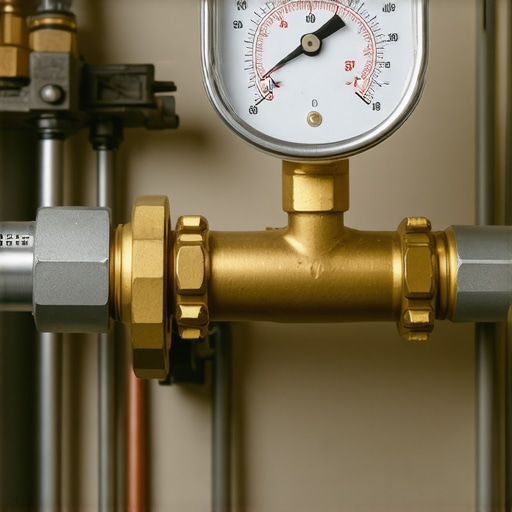
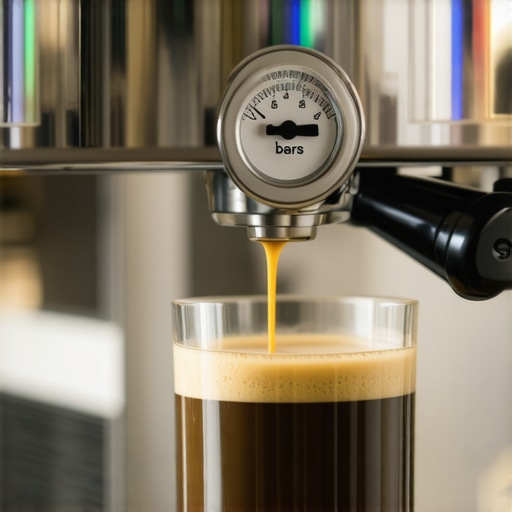
Most of us treat the gauge on the front of our machine like the absolute word of law. I certainly did. In my early days, I trusted that little needle with my life. But after a frustrating stretch of salty, under-extracted shots, I discovered that what the gauge says at the boiler isn’t necessarily what’s reaching your coffee grounds. If your pressure gauge stays at zero or if you see the needle dancing erratically, you’re flying blind. Today, we’re going to fix that. I’m going to show you a simple, household-accessible method to verify your pump’s health. We’re aiming for that “magic nine bars,” but knowing where you actually stand is the first step toward fixing a machine that feels like it’s losing its punch. According to industry standards from the Specialty Coffee Association (SCA), consistent pressure is the absolute cornerstone of a balanced extraction; without it, even the most expensive beans are just wasted potential.
Is This Test Going to Ruin My Espresso Machine?
I know what you’re thinking because I thought it too. “I’m not a plumber, and I definitely don’t want to blow a gasket.” Trust me, I’ve been there. My biggest mistake early on was trying to “listen” to the pump instead of measuring it, which led to me ignoring a failing vibration pump until it literally gave up the ghost mid-latte. The method I’ll show you is non-invasive. We aren’t tearing the machine apart; we’re just using basic physics to see if your pump is actually doing its job. Have you ever noticed that your pump pressure drops when you engage the steam wand, or have you ever suspected your machine is just getting “tired” over the years? Drop a comment below and let me know if your shots have been running faster than a 100m sprint lately. We need to talk about why that “9-bar” number is so elusive and how your top-rated espresso machine might be underperforming right under your nose without you even realizing it. [IMAGE_PLACEHOLDER]
Grab Your Blind Basket for the Ultimate Pressure Test
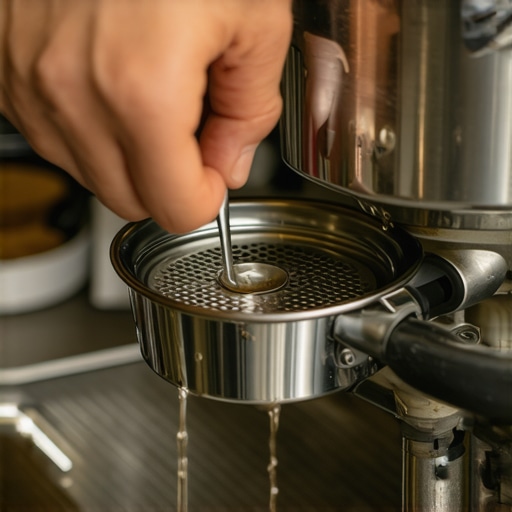
To really know what’s happening inside that stainless steel box, you have to create a “dead end.” This is where the blind basket—that solid metal disk you use for cleaning—becomes your best diagnostic tool. I remember the first time I tried this on my old Gaggia. I was convinced the pressure was fine, but the shots were consistently weak. I popped the blind basket in, hit the brew switch, and waited. Normally, you should hear the pump’s pitch drop into a deep, labored hum as it fights against the resistance. On my machine? The sound stayed light and airy. It was cavitating, sucking in air because a small intake hose had a pinhole leak. If you’ve noticed why your pressure gauge stays at zero during a shot even with a backflush disk in place, you’ve just confirmed the problem is internal, not your puck prep.
Watch Your Drip Tray Like a Hawk
When you run a test with a blind basket, the water has to go somewhere once the pressure limit is reached. In most top-rated espresso machines, an Overpressure Valve (OPV) redirects excess water back to the reservoir or the drip tray. If you see a massive surge of water hitting the tray immediately after engaging the pump, your OPV might be set too low or the spring inside has weakened. This is a common culprit for salty, under-extracted shots because the water is taking the path of least resistance through the valve instead of pushing through the coffee. If the reason your drip tray is filling up faster than normal coincides with thin espresso, you’ve found your “leak” in the system.
The Flow Rate Math That Never Lies
If you don’t have a gauge, use a scale and a timer—the same barista gear you use for brewing. A healthy pump should move a specific volume of water when there’s no resistance. This is called the “free flow” rate. Place a cup on your scale, tare it, and run the pump for exactly 30 seconds without the portafilter attached. For most home vibratory pumps, you’re looking for roughly 250ml to 325ml. If you’re getting less than 200ml, your pump is likely tired or there’s a scale blockage in the heat exchanger. This lack of volume is often why your espresso machine pump runs non-stop without ever reaching the pressure needed to penetrate the puck. Keeping up with maintenance, such as why your machine needs a backflush every single week, ensures that the tiny pathways leading to the group head remain clear of the oils and minerals that throttle your flow.
Listen to the Rhythm of the Pump
The sound of your machine is its most honest diagnostic. A vibration pump should have a steady, rhythmic “thrum.” If it starts to sound like a bag of marbles or if the pitch fluctuates wildly, it’s struggling to prime. I once had a machine that sounded like a jackhammer every time I turned it on; it turned out the vibration mounts had perished, but the erratic pressure was actually due to a partially clogged mushroom valve. If you’ve ever wondered the reason your pump pressure drops when you engage the steam wand, it’s often because the boiler is prioritizing the steam fill over the brew circuit—a sign that your pump’s total output is on the decline.
The Nine-Bar Myth That Might Be Ruining Your Shots
Everyone tells you that nine bars is the holy grail of espresso. I spent years obsessing over it, but here is the truth: higher pressure isn’t always better. In fact, many professional baristas are finding that dropping to 6 or 7 bars reduces channeling and results in a much sweeter cup. Expert coffee consultant Scott Rao has frequently highlighted how high pressure can compress the coffee puck so tightly that water cannot flow evenly, leading to those dry, bitter patches that ruin your morning. If you are struggling with consistency, don’t just blame the pump; you might be asking it to work harder than it needs to. Challenging this ‘industry standard’ was the turning point for my home setup.
Why Your Portafilter Handle Isn’t a Wrench
Then there is the ‘Oops’ factor. I see people all the time trying to ‘fix’ a pressure leak by reefing on their portafilter handle until it is past the six o’clock position. Stop doing that. You are not fixing the pump; you are just crushing your group gasket and making it harder for the machine to create a proper seal later. Understanding why your portafilter handle should never be tightened too far is a lesson that will save you a lot of money in replacement parts and prevent that annoying ‘portafilter sneeze’ when the pressure finally escapes during a shot.
Why Does My Extraction Time Change Every Single Morning?
It is the ultimate frustration. You dialed in the perfect shot yesterday, but today it is running five seconds faster. Most people think their pump is failing or their top-rated espresso machines are possessed. Usually, it is just the beans aging or humidity changes affecting your grind. This is why your shot extraction time changes every single day, and the fix is usually a micro-adjustment on your grinder, not a new pump. If you have just bought a new setup, remember that you need to know the best way to season new grinder burrs fast before you can even expect consistent pressure readings. Raw burrs are sharp but unpredictable until they have had a few pounds of coffee through them.
Don’t overlook the smaller details either. If your pump seems healthy but your steam power is gone, check your wand. I have seen people replace entire boilers when all they needed was the one way to fix a clogged steam wand without chemicals. Dried milk inside the tip creates backpressure that makes the pump work overtime, eventually leading to why your steam wand tip holes keep getting clogged. Have you ever fallen into this trap of over-complicating a simple fix? Let me know in the comments below—I would love to hear your ‘facepalm’ moments.
I’ve learned the hard way that a dirty machine is a lying machine. If you skip your cleaning, those internal components won’t just get sticky; they’ll start giving you false readings that lead you down a rabbit hole of expensive, unnecessary repairs. I religiously follow a schedule for why your machine needs a backflush every single week because coffee oils turn rancid faster than you’d think, coating the three-way solenoid valve and messing with your pressure relief. If you let that gunk build up, you’ll find the reason your drip tray is filling up faster than normal is often a valve that can no longer seat properly because of grit and scale.
How do I keep my gear running like new for years?
It starts with the water. Maintenance expert Jim Schulman, known for his ‘Insanely Long Water FAQ’ on Home-Barista, emphasizes that water chemistry is the single most important factor in machine longevity. Even the best pump can’t survive a steady diet of liquid rock. Beyond just filtering, I recommend a deep dive into the best routine for a weekend deep clean. This isn’t just about wiping the chrome; it’s about removing the shower screen and soaking it in backflush detergent to ensure your water dispersion remains even. If you notice your milk texture is suffering, don’t assume the pump is dying; learn how to fix a steam wand that has lost its power by checking the tip for calcification first. 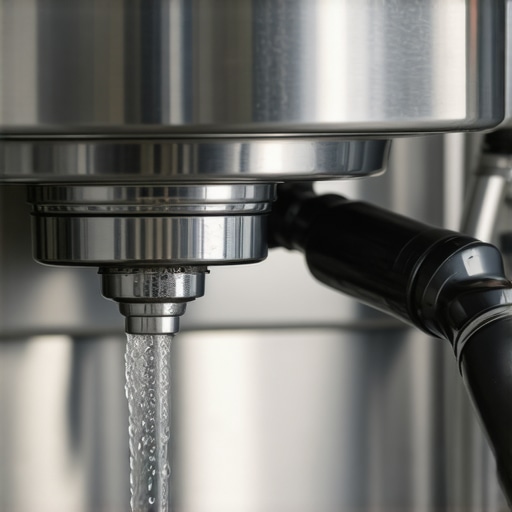
Trust Your Tools But Verify Their Accuracy
When we talk about barista gear, we often focus on the flashy stuff, but your scale is the most critical diagnostic tool you own. I spent an entire month chasing extraction issues only to realize my old sensor was drifting under the heat of the drip tray. You must understand why your coffee scale is giving you inconsistent readings before you blame your grinder or your pump. Looking ahead, I predict a massive shift toward ‘smart’ espresso machines that use AI to monitor pump health and scale buildup in real-time, alerting you before a part actually fails. Until then, you are the sensor. My advanced tip for you this week: try the ‘Free Flow’ test I mentioned earlier and record the result in a notebook. Do it once a month; the moment that number drops by more than 10%, you know it is time to descale or check your intake filters before a small clog becomes a dead pump.
The Expensive Lessons I Learned from Ignoring a Noisy Pump
Looking back at my first real machine, I realize now that I treated it more like a kitchen appliance and less like a precision instrument. I used to ignore that high-pitched whine during the first few seconds of a shot, thinking it was just ‘warming up.’ In reality, that was the sound of air pockets destroying my vibratory pump. One major lightbulb moment for me was realizing that why you should never leave water in your reservoir overnight actually impacts your pump’s prime; stale water can develop sliminess that clogs the intake filter before you even turn the machine on. I also learned that the move for better temperature stability on budget machines often puts extra strain on the pump if you aren’t careful with your flushing routine. My biggest takeaway? If the sound of your machine changes, even slightly, it is trying to tell you something. Don’t wait for the water to stop flowing before you investigate.
My Tiny Toolkit for Saner Mornings
When you are deep in the weeds of troubleshooting, having the right barista gear makes the difference between a quick fix and a ruined Saturday. I personally swear by these three resources for any machine diagnostic: First, a simple analog pressure gauge that fits onto your portafilter; it is the only way to truly verify what your internal gauge is saying. Second, keep a set of digital calipers to measure your basket’s inner diameter—sometimes a ‘leak’ is just a poorly fitting basket. Third, I always keep a copy of Jim Schulman’s water guides bookmarked. Water chemistry is the silent killer of pumps, and understanding your local hardness is more valuable than any fancy upgrade. [IMAGE_PLACEHOLDER_E]
Stop Chasing Perfection and Just Pull the Shot
It is easy to get lost in the numbers, the bars, and the flow rates, but at the end of the day, mastering the art of home espresso is about the joy of the craft. Your pump might not be hitting a perfect, steady 9.0 bars, but if the coffee in your cup tastes balanced and sweet, you are winning the game. Use these tests as a baseline, not a cage. A healthy machine is a tool, not a master. Now that you know how to verify your machine’s heartbeat, go pull a shot and focus on the flavor, not just the needle on the gauge. Have you ever discovered a strange noise in your machine that turned out to be an easy fix? Let me know in the comments below—I would love to hear your DIY success stories!