Why Your Espresso Shot Tastes Like Cardboard
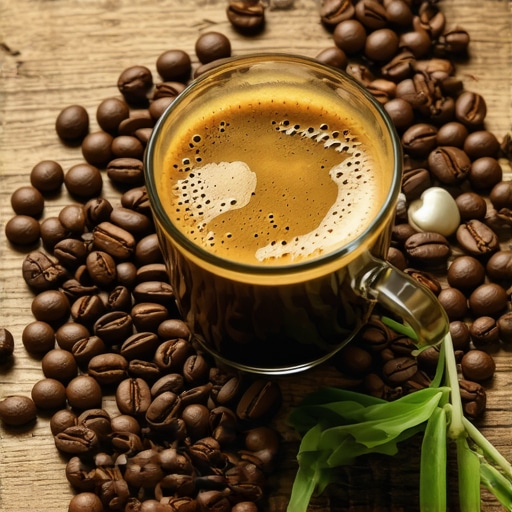
I stood there, squinting at my portafilter in the early morning light, wondering if I’d accidentally brewed a piece of the shipping packaging instead of those expensive Ethiopian beans. It was my third attempt of the day, and the flavor was unmistakable: wet cardboard. It wasn’t bitter, it wasn’t sour—it was just… empty. Flat. Like all the life had been sucked out of the coffee. If you’ve ever experienced this, you know the frustration of doing everything ‘by the book’ while your taste buds tell you you’re failing. For years, I struggled with this, blaming my technique, my water, and even my own palate. But the truth is, that papery, dull profile is a specific signal from your beans that something is fundamentally wrong in the chain of freshness. Today, we’re going to stop the guessing game. I’ll show you how to identify the culprits—from stale oils to poor storage—so you never have to drink a boring shot again. If you’re just starting out, mastering the art of home espresso requires knowing what ‘bad’ tastes like so you can find the ‘good.’
Your Coffee Beans are Gasping for Air
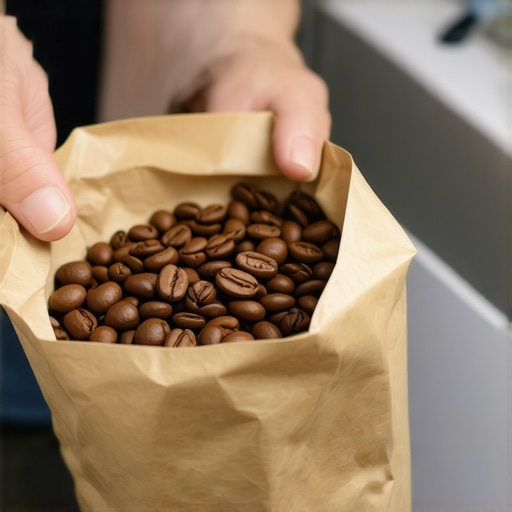
Early in my journey, I used to leave my beans in the hopper for a week at a time. I loved the way they looked under the kitchen lights. I didn’t realize I was essentially leaving a bottle of fine wine open on the counter. When coffee is exposed to oxygen, the lipids oxidize, and those beautiful aromatics literally evaporate into the room instead of your cup. That cardboard taste is the literal flavor of oxidation. Sometimes, your coffee beans are sticking to the sides of the hopper because those oils have turned tacky and stale. It’s a mess for your workflow and a disaster for your flavor profile. I learned the hard way that freshness isn’t just a buzzword; it’s the difference between a shot that tastes like berries and one that tastes like a grocery bag. Even the top-rated espresso machines can’t save beans that have been sitting out too long. You might notice that after a few days, that punchy acidity turns into a dull, papery thud. This happens because the aromatic oils—the stuff that actually provides the flavor—are incredibly fragile. When they react with oxygen, they break down into compounds that literally mimic the smell and taste of cellulose.
Is Expensive Gear the Only Way Out?
I get it—every time you look for a solution, someone tells you to buy a $2,000 grinder. But is it actually worth the hype? Not always. Before you go shopping for new barista gear, you need to check the basics. A surprising fact from the Specialty Coffee Association notes that even a slight increase in humidity can accelerate the staling process of roasted beans by up to 50%. This means your storage environment matters as much as your equipment. I used to think my grinder was broken, but it turned out I just wasn’t purging the old, stale grounds from the night before. If you’ve ever felt that your espresso shot tastes like plastic or paper, it might just be the ‘zombie’ grounds left in the chute. Have you ever pulled a shot that looked like liquid gold but tasted like a library book? I want to hear your most disappointing espresso stories in the comments—we’ve all been there. Getting the right results often starts with how to select the perfect coffee grinder for your specific needs, rather than just the most expensive one on the shelf. Let’s look at how we can clean up your process without breaking the bank.
To fix that papery profile, your first mission is to eliminate ‘retention.’ Most grinders have a small pocket between the burrs and the exit where grounds just sit and wait to die. I call this the ‘flavor graveyard.’ If you don’t clear it out, you’re mixing 18 grams of fresh beans with 2 grams of yesterday’s oxidized dust.
Kill the Cardboard Flavor with These Daily Habits
Clear the Chute Before Your First Shot
Every single morning, before you pull your real shot, grind about five grams of coffee and throw it away. I know it feels like wasting money, but you’re actually saving the remaining dose from being contaminated. I once hosted a small brunch and skipped this step to save time; my neighbor took one sip and asked if I’d started using store-brand pre-ground. The stale retention from the previous afternoon had completely muted the vibrant berry notes of my expensive light roast. Knowing how to clean your grinders discharge chute with a pipe cleaner can prevent this buildup from becoming a permanent fixture in your workflow.
Stop the Clumps from Stealing Your Sweetness
If your grounds look like little pebbles falling into the basket, you’re in trouble. When your coffee grounds are clumping together, the water will find the path of least resistance, bypassing the tightly packed coffee and leaving you with a watery, thin mess that tastes like wet paper. This is why you might see channelling in a bottomless portafilter shot even when you think your tamp is perfect. Use a WDT tool or a thin needle to break those clumps apart and create a uniform density across the basket.
Why Your Grinder Settings Feel Like They Changed Overnight
It’s not your imagination. Humidity and temperature fluctuate, causing the beans to expand or contract. If you’re getting that flat, papery taste, you might be grinding too coarse for the current environmental conditions. You need to understand why your grinder settings feel like they changed overnight to stay ahead of the curve. A quick adjustment of just one or two notches toward ‘fine’ can often bring back the body and sweetness you’re missing.
Manage Your Hopper Like a Pro
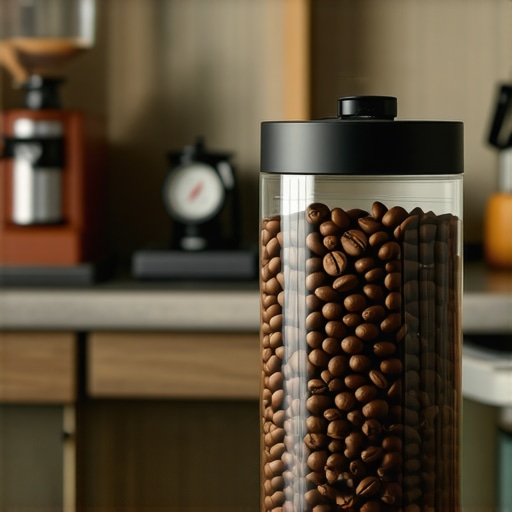
Instead of filling your hopper to the brim, try single-dosing. Only put in exactly what you need for that specific shot. When beans sit in a hopper, they are exposed to light and air from all sides. If you must use a hopper, only fill enough for one day’s worth of drinks. I’ve found that switching to an airtight cellar or a vacuum canister makes a massive difference in how long that ‘freshly roasted’ profile actually lasts. You’ll also stop seeing those oily streaks that lead to your coffee beans sticking to the sides of the hopper. For deep maintenance, knowing the best way to clean a grinder without taking it apart will keep your burrs sharp and your flavors clean without requiring a degree in mechanical engineering. Every small adjustment adds up to a cup that actually tastes like the beans you paid for.
The Freshness Trap You’re Probably Falling Into
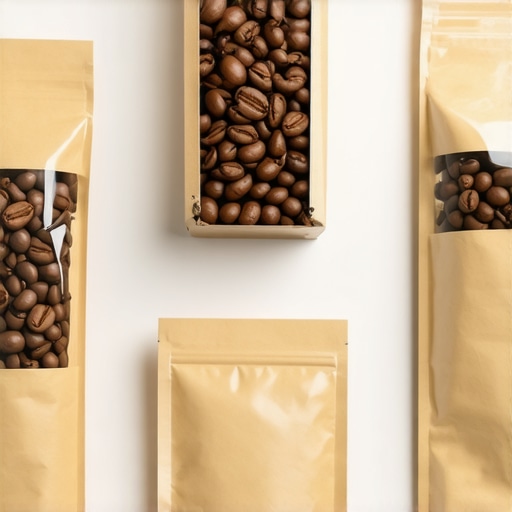
Most enthusiasts obsess over ‘roast dates,’ thinking that a bean roasted yesterday is the holy grail. I used to be that person, standing at the cafe door waiting for the delivery truck. But here is a contrarian truth: coffee can actually be too fresh. When beans are straight out of the roaster, they are packed with carbon dioxide. This gas acts as a barrier, preventing water from properly saturating the grounds. This is exactly why your freshly roasted beans are making your espresso taste like grass or even giving it a sharp, metallic edge. According to the Specialty Coffee Association, most espresso roasts actually peak between 7 and 14 days after roasting to allow for proper degassing. If you’re pulling shots on day two, you’re not tasting the bean; you’re tasting the chemical reaction of off-gassing. Have you ever fallen into this ‘fresher is better’ trap? Let me know in the comments.
Why Does Your Bottomless Portafilter Look Perfect but Taste Like Battery Acid?
We’ve all seen those mesmerizing ‘espresso porn’ videos on social media where the coffee flows into a single, beautiful stream. But here’s the secret: a pretty flow doesn’t guarantee a delicious shot. You might think you’ve mastered your puck prep, but why your bottomless portafilter shows channels every time is often down to ‘micro-channeling.’ These are tiny, invisible fissures where water rushes through, over-extracting specific spots while leaving the rest of the puck untouched. The result? A shot that looks like liquid gold but tastes thin, sour, or even salty. This is the move for better espresso without buying a new machine: stop trusting your eyes and start trusting your tongue. If the taste is off, don’t be afraid to change your dose or yield, even if the flow looks ‘correct’ on camera.
Dark Roasts Aren’t as Tough as You Think
A common myth in the community is that dark roasts are ‘sturdier’ or easier to dial in because they are more soluble. In reality, they are incredibly fragile. Because they’ve been roasted longer, their cellular structure is more porous, making them oxidize and go stale twice as fast as light roasts. They also release more oils, which is a primary reason why your coffee grinder is stalling with dark roast beans. When those oils hit the air, they turn rancid quickly, leading back to that dreaded cardboard taste. To counter this, I’ve found that the secret to pulling sweet shots from very dark roasts is actually lowering your water temperature. High heat on a dark roast just highlights the ash and bitterness. Also, watch out for your equipment—if why your espresso machine steam is wet and spluttery is a constant issue, it’s usually a sign of boiler scale or a failing sensor, which will wreck your temperature stability and your flavor regardless of bean quality. If you’ve ever felt like your machine was fighting you, it might be time to look at the internal health of your gear before blaming the beans.
If you treat your high-end espresso machine like a kitchen toaster—plugging it in and forgetting about it until it breaks—you are effectively flushing your investment down the drain. After years of tinkering, I have realized that the real difference between a ‘home’ setup and a ‘pro’ setup isn’t just the price tag; it is the maintenance routine. I remember the panic I felt when my machine started spitting steam from the sides of the portafilter during a dinner party. It turns out that why your group head gasket is leaking after just one month often comes down to simple heat-cycling and a lack of daily cleaning. If you leave old coffee oils to bake into that rubber seal, it hardens and cracks, turning your $2,000 pride and joy into a leaky mess.
How do I maintain my espresso setup over time?
The secret is a tiered approach. Daily, you must wipe the shower screen and purge the steam wand. Weekly, you need to perform a full backflush with a specialized detergent like Cafiza. I follow the technical logs from Clive Coffee, which emphasize that neglecting the internal group head cleaning leads to ‘rancid oil buildup’ that can ruin even the most expensive light roast. If you have a classic machine, you also need to learn how to properly lubricate your e61 group head cam. Without food-grade Molykote, that lever will eventually start grinding metal-on-metal, and you’ll lose the smooth tactile feel that makes manual brewing so satisfying. You should also keep a close eye on your water; how to tell if your machine boiler is accumulating lime scale is a skill that will save you hundreds in professional descaling fees later on.
Stop ignoring your milk frother and grinder guts
Maintenance doesn’t stop at the group head. If you use an automatic frother, you might find yourself wondering how to fix a milk frother that wont spin. Usually, this is just a tiny bit of dried milk protein acting like glue on the magnetic drive. For your grinder, the enemies are heat and oil. I recommend a monthly deep clean because the best way to clean a grinder without taking it apart usually involves specialized cleaning tablets that soak up the rancid oils from your burrs. If you notice why your group head shower screen is getting clogged so fast, it is often a sign that you are grinding too fine or overfilling your basket. Keep your tools in top shape by learning the best way to store your tamper to prevent scratches, as even a tiny nick in the base can cause uneven compression and lead to channeling. I predict that in the next few years, we will see ‘smart’ espresso machines with built-in sensors that monitor gasket pressure and scale buildup in real-time, but for now, your eyes and ears are the best tools you have. I want you to try this today: remove your shower screen and soak it in detergent for 10 minutes. You will be shocked at how much ‘invisible’ gunk was muting your flavors.
Three Hard Lessons From a Thousand Failed Shots
I used to think that the more I spent, the better the coffee would be. The truth is, my best breakthroughs came from learning how to fix a grinder adjustment ring that is stuck and realizing that consistent maintenance is the real ‘secret’ to professional flavor. If you take the time to understand why your group head shower screen is getting clogged so fast, you will stop the bitterness before it ever hits your cup. Focus on the workflow, not just the wallet. Don’t chase the dragon of ‘perfection’ every single morning; instead, aim for a repeatable process that makes you happy. Even a ‘good’ shot that you understand how to pull is better than a ‘great’ one that happened by accident.
#IMAGE_PLACEHOLDER_E#
The Gear That Actually Earned a Permanent Spot on My Counter
When you are ready to expand your toolkit, I always recommend looking at the top-rated espresso machines for coffee lovers in 2025 to see where the technology is heading. For those who love milk-based drinks, finding milk frothers that transform your coffee experience is the easiest way to bridge the gap between a standard latte and a true cafe-quality treat. I personally trust sources like Clive Coffee and the Specialty Coffee Association for technical data, but for the day-to-day grind, nothing beats hands-on experience and a few well-placed tools like a reliable WDT or a precision basket.
Your Journey to the Perfect Cup Starts Today
Mastering **home espresso** is a marathon, not a sprint. Every bad shot you pull is just a data point helping you find the next great one. It is a hobby that rewards patience, curiosity, and a little bit of elbow grease. Don’t be afraid to pull that lever or press that button, even if you are worried about the results. Have you ever wondered why your espresso machine is making a rattling noise during heat-up? Let me know in the comments if your gear has been acting up lately—I would love to help you troubleshoot your setup!