Why Your Group Head Shower Screen Is Getting Clogged So Fast
I stood there, blurry-eyed at 6:30 AM, waiting for that beautiful, syrupy stream of caffeine. Instead? I got a pathetic, sputtering mess that looked more like a leaky faucet than a refined extraction. My shower screen was a wall of black sludge. It felt like I was cleaning the thing every three days, and frankly, I was ready to toss my portafilter into the yard. We’ve all been there. You invest in top-rated espresso machines for 2025 and expect liquid gold, but you end up scrubbing coffee gunk with a toothbrush before you’ve even had a sip. If your machine is choking and you’re seeing those annoying channels in your bottomless portafilter, you aren’t alone. Today, we are going to fix the underlying issues that turn your group head into a magnet for debris.
The Morning My Espresso Machine Decided to Quit
I remember the exact moment I realized I was doing it all wrong. I had just upgraded my setup, thinking better gear meant less work. I was wrong. I started noticing that my coffee puck kept sticking to the shower screen every single time. I’d pull the handle, and there it was—a muddy mess glued to the top. My biggest mistake? I thought a simple purge of water after a shot was enough to keep things pristine. I even tried a deep clean with regular soap once, which led to the dish soap mistake that ruined my group head seal and left me with a leaky mess for a week.
Is this level of maintenance actually worth the hype?
It is easy to feel like you’ve bought a high-maintenance pet instead of a coffee maker. You might wonder if you should just go back to a drip pot. But here is the truth: once you understand the physics of why those screens clog, the maintenance becomes a two-minute habit, not a weekend chore.
Why Coffee Oils and Fines Hate Your Shower Screen
The primary culprit is backflow. When you end a shot, the pressure has to go somewhere, and often it pulls tiny particles (fines) and sticky oils back up against the screen. According to the Specialty Coffee Association, coffee oils can oxidize and polymerize almost instantly at the 200°F temperatures found in your group head. This creates a varnish that acts like glue for the next shot’s grounds. Have you ever felt like you’re fighting a losing battle against your own machine? Let me know if your screen looks like a coal mine after just two shots. We’re going to look at how your grind size and your mastering the art of home espresso journey play a role in this messy situation.
The Simple Ritual That Saves Your Shower Screen
To stop the sludge, you have to outsmart the physics of backflow. Every time you cut the shot, the three-way solenoid valve opens, creating a vacuum that sucks leftover water and oils upward. If you don’t perform a ‘water backflush’ at the end of every session, those oils sit and bake onto the metal. Think of it like a pan after cooking bacon; if you don’t rinse it while it’s warm, you’re in for a world of hurt later. I make it a point to use a blind basket for a quick five-second blast after my last shot. This is just as vital as the 2-minute habit that prevents clogged steam wands from turning into concrete pipes.
Use Chemical Cleaners Sparingly But Wisely
While water helps, it won’t dissolve polymerized oils. Once a week, you need a dedicated espresso detergent. I once thought I could skip this by just scrubbing harder, but the screen holes are so microscopic that no brush can reach the interior blockages. Just don’t confuse this with descaling; learning the best way to descale a boiler without using harsh vinegar is for your machine’s ‘veins,’ while backflushing is for its ‘mouth.’
How Puck Screens Act as a Shield
If you want to stop cleaning your screen altogether, get a puck screen. These thin, stainless steel mesh discs sit on top of your coffee grounds. They act like a physical barrier, ensuring that when the pressure releases, the ‘mud’ hits the mesh rather than your expensive group head. I remember the first time I used one; I pulled a messy, oily dark roast, and when I looked up at the shower screen, it was bone dry and sparkling. It felt like a cheat code. However, be careful when emptying your portafilter so you don’t lose it—I’ve spent too much time digging through trash because your puck screen keeps falling into the knock box more often than you’d like to admit.
Don’t Force Too Much Coffee into the Group Head
A major reason for a filthy screen is simply lack of space. If your coffee puck is physically touching the screen before you even start the machine, you are guaranteed a mess. This is often a ‘headspace’ issue. I used to think more coffee meant a stronger shot, so I’d jam 20 grams into a standard basket. The result? A muddy screen and a shot that tasted like charcoal. You need to know how to tell if your basket is too large for your dose or if you are overfilling it. There should be a small gap—the ‘nickel test’ is a classic way to check this—to allow the coffee to expand as it saturates.
Adjust Your Grind to Reduce Fines
If your screen is still clogging with fine silt, it might be your grinder. When burrs get dull or out of alignment, they produce ‘fines’—dust-like particles that bypass everything and glue themselves to your screen. This is why it is crucial to select the perfect coffee grinder for your brew and keep it maintained. If you’re seeing uneven flow, you might even try the simple paper filter trick for better bottomless shots, which adds another layer of protection between your coffee and the machine’s internals.It’s easy to think that more maintenance always equals a better cup, but there is a point of diminishing returns. I spent years assuming that if my espresso tasted ‘off,’ I needed to scrub harder. In reality, I was often battling the chemistry of the beans rather than the machine itself. Most enthusiasts believe that dark, oily roasts are the gold standard for a rich latte, but these are actually the primary culprits for a clogged shower screen. The high lipid content in dark-roasted beans, as noted in studies from the Journal of Agricultural and Food Chemistry, leads to rapid polymerization—essentially creating a waterproof varnish on your gear that traps old, bitter flavors. If you find that your grinder makes more mess with dark roast beans, imagine what those same oils are doing to the microscopic holes in your group head. 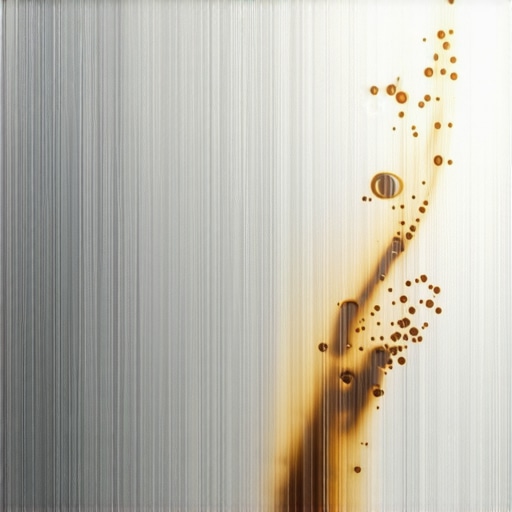
Dark Roasts Are a Maintenance Nightmare
Many beginners jump straight into the darkest beans they can find, but this is a classic trap. Those surface oils act like a magnet for fines, turning your shower screen into a sticky trap within just a few pulls. While you might be focused on choosing the best barista gear for coffee enthusiasts, even the most expensive setup can’t survive constant neglect when using oily beans. You might even notice that your grinder burrs are getting hot during a single dose because of the increased friction from those sticky deposits. Have you ever fallen into this trap of thinking the bean doesn’t affect the machine’s health? Let me know in the comments.
Why does your espresso shot slow down midway through the pull?
This is a common question from those who have mastered the basic extraction. You start with a beautiful, steady stream, and then—stalling. This usually happens because of ‘fines migration.’ As the hot water flows under pressure, the smallest particles of coffee are physically pushed toward the bottom of the basket, eventually creating a secondary, impermeable floor. If this is happening to you, it’s often a sign that your puck prep or your grinder’s particle distribution is slightly off. Understanding why your espresso shot slows down midway through the pull is the difference between a frustrated amateur and a home pro.
The Over-Cleaning Paradox
Here is the contrarian truth: you can actually clean your machine too much. I’m not saying you should leave the sludge, but I see people using heavy chemical detergents after every single shot. These chemicals are caustic. Over-use can strip the food-grade lubricants from your internal valves and lead to why your group head gasket is leaking after just one month. It’s all about balance. Use clear water for daily flushes and save the heavy chemicals for a weekly deep-clean. Also, be wary of bean freshness; if you don’t know how to tell if your coffee beans are too fresh for espresso, you might be fighting a losing battle with CO2 gas that mimics the behavior of a clogged screen. Focus on the nuances, and your gear will thank you.
The Tools That Actually Make a Difference
I used to think that owning the most expensive top-rated espresso machines for coffee lovers in 2025 would solve every consistency issue. However, I’ve learned that the real magic happens in the workflow tools you choose. For instance, I spent months wondering why my extractions were uneven until I discovered why your WDT tool pins are too thick for light roasts. Thick pins actually create more clumps than they break up. When I switched to ultra-thin needles, my bottomless portafilter shots finally looked like the ones you see in professional competitions. If you are currently choosing the best barista gear for coffee enthusiasts, don’t overlook the utility of small cleaning implements either. I personally swear by the cotton swab trick for cleaning hidden grinder crevices; it’s the only way to ensure old, rancid oils don’t ruin your fresh batch of beans.
How do I maintain my machine’s health over several years?
The single most important factor is water quality. You can backflush every day, but if your water chemistry is off, your machine is on a countdown to a service center visit. You need to know how to tell if your water is too soft for brewing because even ‘pure’ water can be corrosive. If you ever find why your E61 mushroom is covered in white crust, you’ve likely ignored your filtration for too long. According to Christopher Hendon, a materials chemist and author of ‘Water for Coffee,’ the magnesium-to-calcium ratio is the hidden engine behind flavor extraction. If that ratio is skewed toward calcium, you aren’t just losing flavor; you’re growing stones inside your boiler.
Stop Guessing with the Flashlight Move
One of my favorite advanced diagnostic techniques is what I call the flashlight move for finding hidden channeling paths. By shining a bright LED through the bottom of a dry, spent coffee puck, you can visually confirm exactly where the density was lacking. It is a level of forensic detail that finally explains why your bottomless portafilter shows channels every time. I’ve also found that small ergonomic upgrades, such as why you should switch to a lever handle for your steam wand, make the ritual far more precise and less straining. Looking into the future, I expect to see machines equipped with integrated sensors that can predict how to tell if your espresso machine solenoid is failing before you ever see a drop of water where it shouldn’t be. Tomorrow, I want you to try this: pull your shot, dry the puck, and use a flashlight to find your tamping flaws. It’s an eye-opening experience that no YouTube tutorial can replicate.
Hard Truths I Learned After Ruining My First Group Head
Looking back at my early days of home espresso, I realize I was overthinking the variables while ignoring the basics. First, if your shot looks weird, check the physical state of your machine before you buy new gear. I’ve seen people spend thousands when they simply needed to learn how to identify under-extracted espresso by the color of the stream. Second, never underestimate the power of a clean path. Even the most expensive barista gear for coffee enthusiasts is useless if it’s coated in last month’s oils. Lastly, remember that your machine is a delicate ecosystem. A single dish soap mistake can sideline you for days. Respect the seals, respect the screen, and the coffee will respect you back.
The Gear That Actually Saved My Workflow
If you’re tired of the guesswork, there are a few items I stand by. When selecting the perfect coffee grinder, focus on the ease of cleaning; if it’s a pain to open, you won’t do it. I also highly recommend looking at milk frothers that transform your coffee experience if you want café-quality texture without the steep learning curve of a steam wand. Finally, don’t ignore the silence. If your machine is rattling and driving you crazy, try the simple cardboard trick to keep your sanity intact while the pump runs. These small adjustments make the difference between a chore and a hobby.
#IMAGE_PLACE_HOLDER_E#
Your Journey Toward the Perfect Shot Starts Now
Maintenance isn’t about being a perfectionist; it’s about protecting your investment and your morning joy. By mastering the art of home espresso, you’re not just making a drink; you’re refining a craft that rewards you every single morning. Don’t let a dirty shower screen or a clogged valve stand between you and that syrupy, perfect extraction. Take it one flush at a time, and soon, these habits will be as natural as breathing. Have you ever found a surprising object or a thick layer of sludge when you finally took your shower screen off? Let me know in the comments below!