The Mistake of Using Distilled Water in Your Boiler
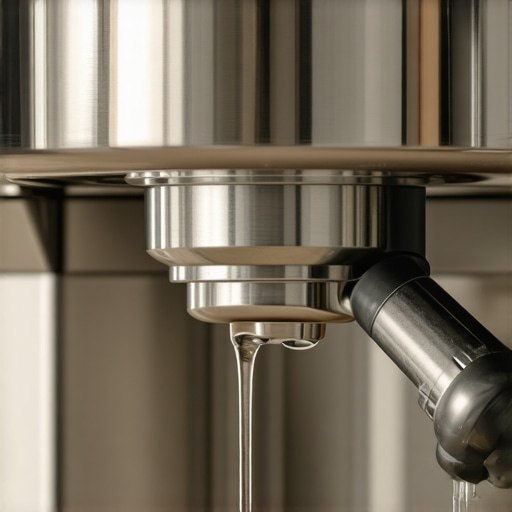
I sat there, staring at a $2,000 piece of Italian engineering that was refusing to heat up. Just months ago, I’d unboxed it with the kind of reverence usually reserved for religious artifacts. To keep it pristine, I made what I thought was a clever choice: I only fed it pure, distilled water. No minerals meant no scale, right? I was so proud of my clever life hack until the machine started sputtering and the water level sensors went completely haywire. It turns out, I was slowly stripping the soul out of my machine—and the flavor out of my beans. It was a classic case of trying too hard to be perfect and failing the basic chemistry test.
Pure Water acts Like a Hungry Solvent
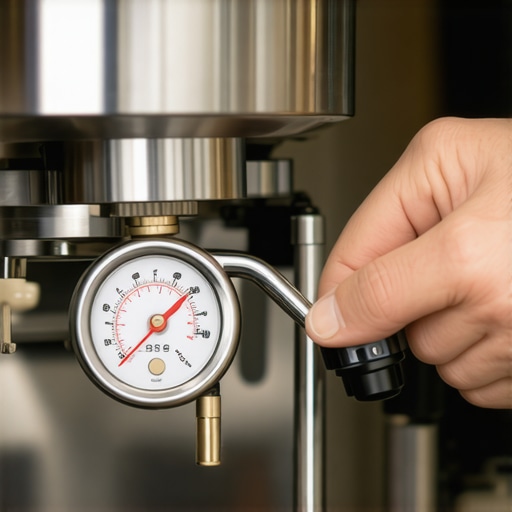
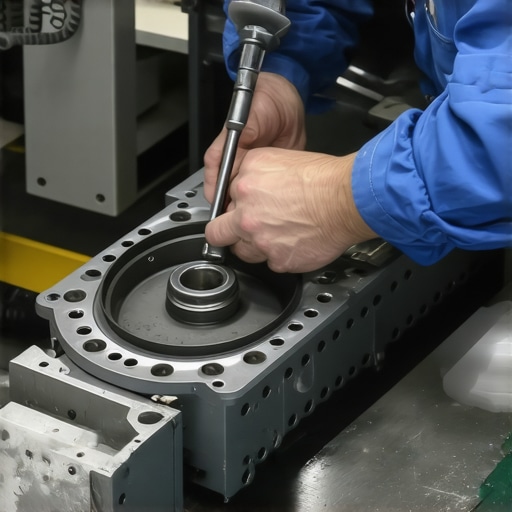
You see, water is the universal solvent. When it’s stripped of every single mineral, it becomes aggressive. It doesn’t want to stay pure; it wants to leach minerals back into itself from whatever it touches. In your machine, that means your copper or stainless steel boiler. I learned the hard way that distilled water can actually lead to pitting and corrosion, the very things I was trying to avoid by being so meticulous. Beyond the internal damage, most modern top-rated espresso machines use conductivity sensors to tell when the boiler is full. Since distilled water doesn’t conduct electricity, your machine might think it’s bone-dry even when it’s overflowing. It’s a recipe for a flooded kitchen or a burnt-out heating element. I actually felt the panic rise in my chest when I realized my “clean” water was essentially blinding my machine’s brain.
Won’t Regular Water Just Clog Everything Up with Scale?
It’s a fair question. We’ve all seen the horror stories of machines choked with white crust and blocked tubes. But the truth about using distilled water in your machine is that we need a middle ground. According to the Specialty Coffee Association (SCA), water needs a specific mineral content—ideally somewhere between 50 and 175 ppm—to extract the best flavors and satisfy your machine’s sensors. If you go to zero, you get flat, sour espresso every single time. It’s not just about the machine; it’s about the cup.
My Expensive Mistake with a Gallon of Distilled Water
My first real realization came after a particularly frustrating morning. I was mastering the art of home espresso, or so I thought, but my shots tasted like battery acid despite using expensive single-origin beans. I finally took a sample of my distilled water and coffee to a local shop. The head barista looked at me like I’d just told him I clean my portafilter with sandpaper. He explained that without minerals like magnesium and calcium, the water couldn’t properly grab the coffee oils. I had been over-purifying my water and under-delivering on taste. It was a total facepalm moment. Have you ever tried to be too careful with your gear and ended up causing more trouble than you saved? Today, we’re going to fix your water recipe so you never have to worry about how to tell if your water hardness is damaging your boiler while still pulling those thick, syrupy shots we all crave. We are aiming for that sweet spot where the water protects the metal but hugs the coffee grounds.
Build Your Own Water for Better Flavor
Building your own water sounds like a chore reserved for the most obsessed enthusiasts, but it’s actually the most consistent way to save your machine. Instead of using raw distilled water, you should treat it as a blank canvas. I remember the first time I attempted to mix my own mineral concentrates. I was in my tiny kitchen with a cheap jewelry scale, trying to measure out exactly 25 grams of Epsom salts and 10 grams of baking soda. I sneezed, the powder went everywhere, and I spent the next twenty minutes figuring out how to pick a coffee mat that doesn’t absorb odors because the mineral scent was remarkably persistent. But once I got that first ‘re-mineralized’ gallon into the tank, my machine stopped throwing errors. The sensors could finally ‘see’ the water again. If you aren’t ready to play chemist, products like Third Wave Water are a great starting point for mastering the art of home espresso without the mess. You simply drop a packet into your gallon of distilled water, shake it up, and you’re good to go.
The 70/30 Method for Perfect Extraction
If you want more control, the 70/30 method involves mixing a concentrate of baking soda and Epsom salts and then adding small amounts to your distilled water. The goal is to reach a hardness level that allows for a rich crema without causing scale. When I first dialed this in, I noticed that my shots lost that sharp, acidic bite and replaced it with a creamy sweetness I thought only my local cafe could achieve. This is particularly important for the move for better temperature stability on budget machines, as consistent water chemistry helps the boiler maintain its thermal properties. 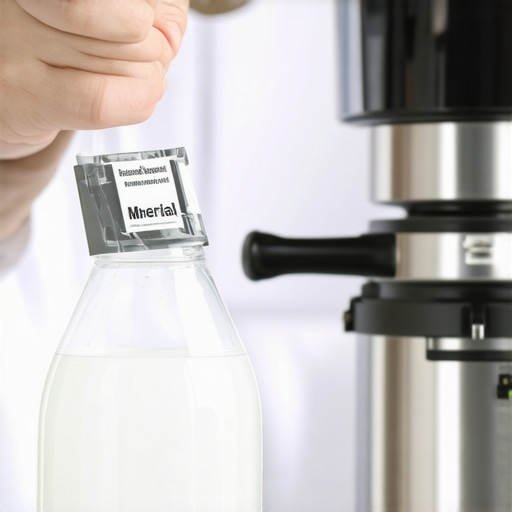
Stop Guessing and Start Measuring
Don’t just trust the packet; get yourself a cheap TDS (Total Dissolved Solids) meter. This little tool is a staple of essential choosing the best barista gear for coffee enthusiasts. I use mine every time I mix a new batch. If your reading is above 200 ppm, you are entering the danger zone for scale. If it’s under 50 ppm, you’re back in the ‘hungry solvent’ territory where your espresso might start to taste like metal. This is one reason why your espresso shot tastes salty and how to fix it; sometimes, the wrong mineral balance highlights the wrong flavors in the bean. Keeping your water in that 80-120 ppm sweet spot is the ultimate insurance policy for your gear.
Protect Your Investment with Routine Checks
Beyond just the water in the tank, you need to be aware of what’s happening inside the dark corners of your machine. Even with perfect water, minerals will eventually concentrate in the boiler as steam escapes. I used to think I could skip maintenance if my water was perfect, but I soon realized why your machine needs a backflush every single week to keep everything running smoothly. You should also regularly learn how to tell if your water hardness is damaging your boiler by checking for flakes in your hot water tap or using a home test kit. This is especially true if you’ve paired your machine with high-end coffee grinders, as you want every component of your workflow to be performing at its peak. If you see a sudden drop in pressure, it might not be the pump; it could be the silent creep of scale from a few months of ‘pure’ water mistakes.
Stop Trusting Your Leveler to Save Your Shots
Most home baristas think that buying a shiny, spinning distribution tool is the silver bullet for perfect shots. I certainly did. I’d spend five minutes meticulously spinning that tool until the surface looked like glass. But here is the contrarian truth: those tools often do more harm than good. While the surface looks pretty, you are often just compacting the top few millimeters of the puck while leaving the bottom loose and uneven. This is exactly why your distribution tool might be ruining your extraction. Research by coffee analysis groups like Socratic Coffee suggests that unless the pins actually reach the bottom of the basket, you aren’t truly distributing; you’re just grooming the surface. If you aren’t careful, you’re essentially creating a beautiful crust over a chaotic foundation. The trap is believing that visual symmetry equals internal consistency.
Why does your bottomless portafilter spray when your prep seems perfect?
This is the ultimate frustration for any advanced enthusiast. You’ve used the WDT, you’ve used a calibrated tamper, and yet, why your bottomless portafilter is making a huge mess remains a mystery. Often, the culprit isn’t your hands—it’s your hardware. If your burrs aren’t perfectly parallel, you’ll get a bimodal grind distribution that no amount of puck prep can fix. This is why learning the right way to align your flat burrs for better shots is a rite of passage for serious baristas. Even the top-rated espresso machines can’t overcome the physics of an uneven grind. This hidden nuance is what separates the hobbyists from the experts who can pull consistent shots every single morning.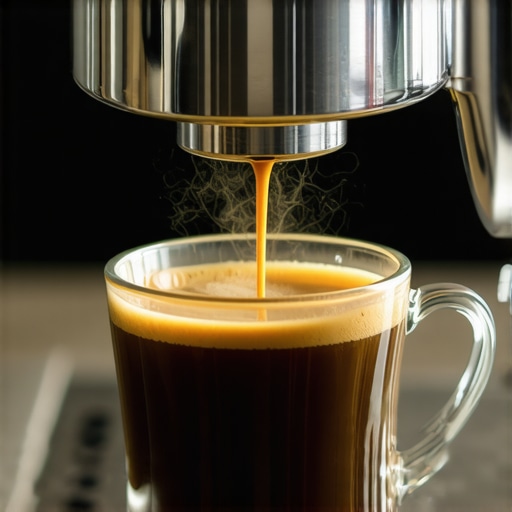
The Real Power is in the Burrs, Not the Boiler
We get obsessed with PIDs and pressure profiles, but the grinder is the actual heart of the system. I’ve seen people spend thousands on a machine and then pair it with a budget grinder, wondering why their shots are thin. Over time, those burrs lose their bite. If you find yourself constantly grinding finer but getting faster shots, it’s time to investigate how to tell if your espresso grinder burrs are dull. Dull burrs don’t cut; they crush, creating excessive fines that clog the filter while allowing larger boulders to create channels. This is the “oops” factor most people ignore until their coffee tastes like dust and they’ve wasted bags of specialty beans.
Don’t Ignore the Steam Wand Nuance
When we talk about choosing the best barista gear for coffee enthusiasts, we often overlook the milk system. People think they need a commercial-grade double boiler for great latte art, but it’s actually about technique and steam tip geometry. Mastering the secret to perfecting your milk texture on a single boiler is about finding that specific ‘sweet spot’ in the pitcher, not just raw steam volume. Following the move for more consistent puck compression and proper milk aeration transforms a morning routine into a genuine craft. It’s about understanding how every variable interacts rather than just buying the most expensive shiny tool in the shop. Have you ever fallen into the trap of buying a new tool to fix a technique problem? Let me know in the comments.
Keep Your Boiler from Turning into a Rock
Even if you have perfected your water chemistry, the simple physics of evaporation means minerals will eventually accumulate. I used to think my custom-mixed water made me immune to maintenance, but I was wrong. Every time you steam milk, pure water leaves the boiler as steam, leaving behind a slightly higher concentration of minerals in the remaining water. Over months, this creates a ‘salty’ environment that can lead to corrosion. This is exactly why your machine needs a backflush every single week with a proper detergent. It isn’t just about the group head; it’s about keeping the entire hydraulic circuit free of rancid oils and mineral buildup. If you ignore this, you’ll eventually find why your espresso machine is leaking from the steam valve because a tiny piece of scale has lodged itself in the seal.
Fresh Burrs are the Real Secret to Quality
Your grinder is a mechanical workhorse, but those steel or ceramic edges aren’t invincible. I personally recommend a ‘purge and brush’ routine every time you switch bags of beans. It sounds tedious, but using the mess-free way to clean a conical burr grinder prevents old, oxidized oils from tainting your fresh, expensive Gesha beans. According to the technical documentation from La Marzocco Home, group gaskets and shower screens are wear items that should be inspected every six months to ensure a perfect seal. I’ve learned that a five-dollar gasket replacement is much cheaper than a ruined morning where you have to figure out how to replace a group gasket without scratching the chrome. 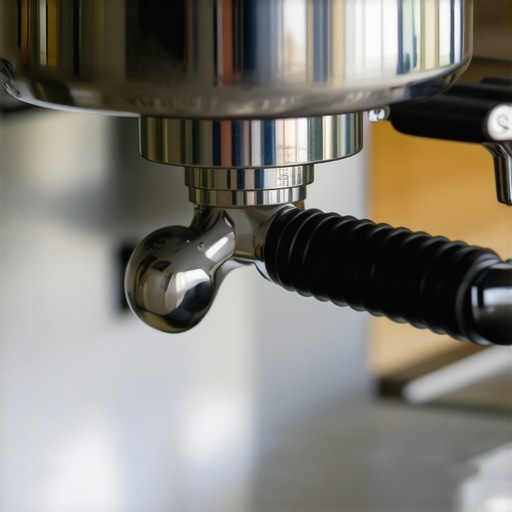
How can I maintain my setup’s peak performance over the long haul?
The answer is consistency in your cleaning schedule. I treat my setup like a high-performance vehicle. Every Saturday morning, I perform the best routine for a weekend deep clean, which includes soaking the portafilter baskets and checking the steam wand for clogs. If you notice your milk isn’t swirling correctly, check the tip; it’s common to find why your steam wand tip holes keep getting clogged with dried proteins. For those using standalone milk frothers that transform your coffee experience, ensure the whisk is free of any film, or you’ll lose that silky microfoam texture.
The Future of Home Brewing is Smarter Sensors
Looking ahead, the trend is shifting toward integrated sensors. I predict that within the next few years, top-rated espresso machines will come standard with built-in TDS meters and burr-wear indicators that sync to your phone. We are moving away from ‘guessing’ by taste and toward data-driven extraction. To stay ahead of the curve, I highly recommend you master your current hardware first. Start by finding the trick to finding the true zero point on your grinder today—it will change how you view your grind settings forever.
What the Prosumer Manuals Forget to Mention
Reflecting on my years spent tinkering with pumps and boilers, I’ve realized that the most important variable isn’t always the price tag of your gear. It’s the relationship you build with your water chemistry. I once spent weeks trying to fix a sour profile only to realize that my “pure” water was effectively dead. One lightbulb moment for me was accepting that the first shot of the day is always a throwaway because of the temperature fluctuations in the group head. I also learned that if you don’t stop your water tank from growing algae by keeping it out of direct sunlight, no amount of filtration will save your flavor. These small, unwritten rules are what truly define your success with mastering the art of home espresso.
Build a Workflow That Actually Lasts
If you are looking to solidify your setup, I highly recommend investing in a few non-negotiables. First, a reliable TDS meter is your best friend; it’s the only way to ensure your DIY water doesn’t turn your boiler into a limestone cave. Second, grab a set of precision baskets; they are much more forgiving when choosing the best barista gear for coffee enthusiasts. I also swear by using dedicated microfibers so you can finally stop using a wet cloth on your steam wand, which prevents milk residue from being sucked back into the boiler. These small upgrades change the game from frustration to pure enjoyment.
Your Path to the Perfect Morning Ritual
Getting that syrupy, balanced extraction is a marathon, not a sprint. Don’t be discouraged if your first few attempts with mineral-rich water taste different; your palate is adjusting just as much as your machine is. Remember that top-rated espresso machines are designed to be used and maintained, not just looked at. Be patient with your equipment, and it will reward you with years of incredible coffee. If you ever find that your espresso tastes like vinegar after cleaning, just remember it’s often a sign that you’re being thorough—just rinse a little longer next time. Have you ever struggled with getting your water chemistry just right, or did you fall into the distilled water trap like I did? Let me know in the comments below!