The Best Way to Dry Your Portafilter Quickly
There I was, standing in my kitchen at 7:15 AM, frantically trying to pull a decent shot before my first meeting. I’d just rinsed my basket, gave it a quick, lazy flick over the sink, and dumped my expensive, freshly ground beans straight onto those stubborn water droplets. I thought the heat from the machine would just take care of it. Man, was I wrong. That shot didn’t just taste ‘off’; it was a sour, channeled disaster that ended up down the drain. It was a classic case of rookie impatience, and it’s a trap I see even seasoned home baristas fall into when they’re in a rush.
Stop Letting a Wet Basket Ruin Your Morning
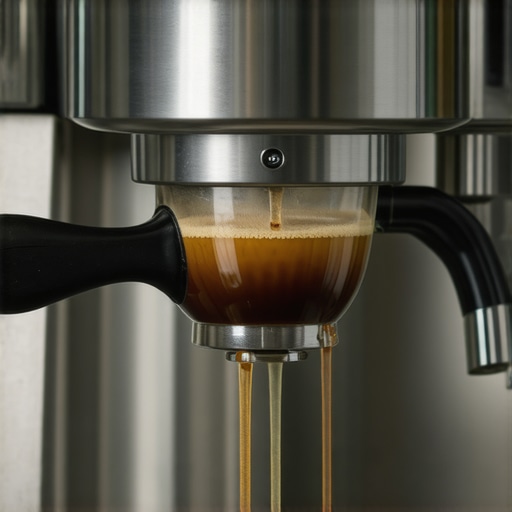
If you have ever wondered why your bottomless portafilter is making a huge mess, the culprit is often hiding in plain sight: moisture. When those dry grounds hit a damp basket, they clump instantly. These clumps create highways for the water to rush through, leaving half your coffee under-extracted and the other half bitter. It’s the same logic behind the problem with using a wet tamper on dry grounds—moisture is the enemy of a uniform puck. I spent years mastering the art of home espresso, and one of my biggest early blunders was neglecting the dry part of the workflow. I’d focus on the beans, the grind, and the pressure, but I’d let a damp rag be the final touch. Today, I want to show you how to shave seconds off your routine without sacrificing the quality of your extraction. We aren’t just talking about wiping; we are talking about the most efficient ways to ensure your barista gear is ready for action in seconds, not minutes.
Is a perfectly dry portafilter actually worth the hassle?
You might be skeptical. After all, isn’t the whole process about adding water to coffee? While that’s true, the timing of that water is everything. According to research by the Specialty Coffee Association, uneven moisture distribution in the coffee bed before brewing is a primary cause of erratic extraction yields. When you have localized wet spots, the pressurized water from your machine will naturally avoid the dry, compacted areas and blast through the damp ones. Early in my journey, I used to think I could just air dry the basket while I dialed in my coffee grinder. But in a humid kitchen, that takes forever. I’ve tried everything from microfiber cloths to dedicated air blowers, and I’ve learned exactly what works and what just wastes your time. Have you ever noticed your shots running fast or tasting like vinegar despite having a perfect grind? Let’s look at the tools that actually make a difference and how to integrate them into your morning flow so you never have to toss a shot again.
Stop Using Your Steam Wand Rag for Everything
Using the same rag for your steam wand and your portafilter is a recipe for disaster. Think of your dry grounds like flour. If you drop a spoonful of flour into a dry bowl, it stays loose and easy to manage. If that bowl has even a few beads of water, you get instant clumps. This is exactly the problem with using a wet tamper on dry grounds—the moisture acts as a structural glue, bonding particles together before the high-pressure water even hits the puck. I used to keep one rag draped over my shoulder, thinking I was being efficient. In reality, I was just transferring milk residue and excess moisture into my basket. One morning, I was so rushed I used my milk-dampened rag to ‘clean’ the basket, and the resulting shot was so sour it practically made my eyes water. It was a stark reminder that even a microscopic layer of moisture can derail your entire workflow.
The Microfiber Twist That Changes Your Extraction
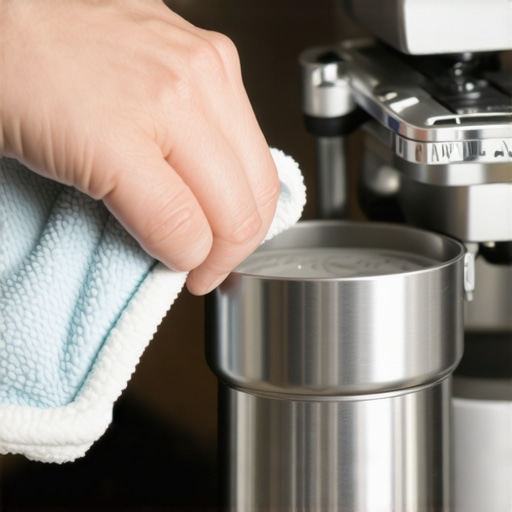
The most effective tool for this job isn’t a paper towel; it is a dedicated, high-density microfiber cloth. To do this right, place the cloth into the basket, press your thumb firmly into the center, and spin the portafilter a full 360 degrees. This “twist” ensures you catch the moisture hiding in the “shoulder” or the rim of the basket where the metal meets the basket wall. If you are dealing with a wobble in your coffee portafilter, this step is even more vital because those tiny gaps on uneven surfaces love to trap residual water. 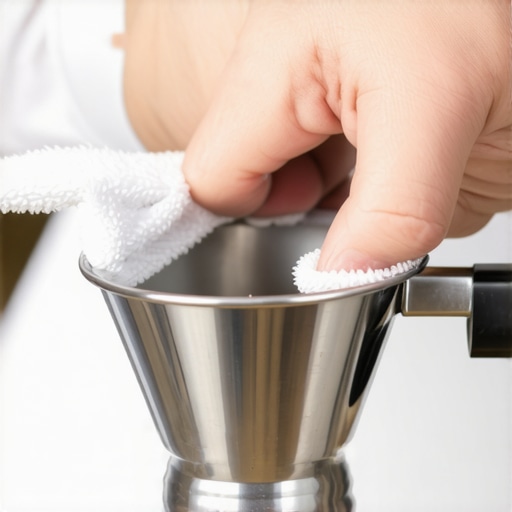
Why Heat Isn’t a Substitute for a Dry Surface
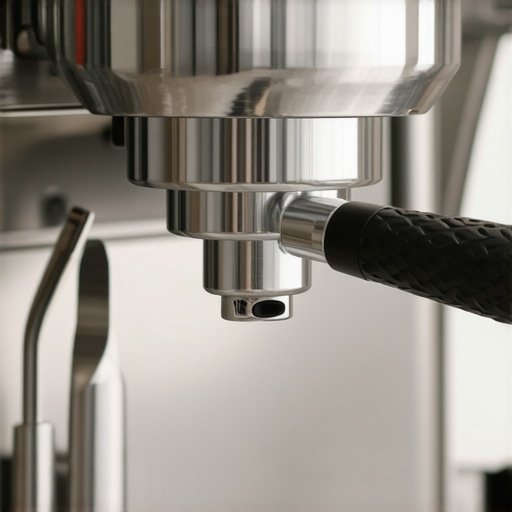
Don’t fall for the trap of thinking a hot portafilter will just evaporate the water on its own. While the heat does help, it often creates a humid micro-climate inside the basket. When you dose your freshly ground beans from your coffee grinder, that rising steam starts to saturate the delicate coffee particles before you have even begun to tamp. I remember a particularly humid Tuesday when I was testing a bright Ethiopian light roast. I skipped the wipe, assuming the 200-degree group head would dry the basket instantly. The result? A shot that sprayed everywhere like a broken garden hose. If you have ever wondered why your bottomless portafilter is making a huge mess, this “invisible” moisture is almost always the prime suspect. You also need to consider the best move for keeping your barista rags smelling fresh, because a funky, damp rag will transfer odors directly to the metal, leading to that confusing moment where your espresso shot tastes like paper or old laundry instead of chocolate and berries. Finally, make it a hard rule to stop using a wet cloth on your steam wand for any task related to your basket; keeping these two zones of your station separate is the only way to ensure consistency.
Stop Spinning Your Coffee Into Uneven Layers
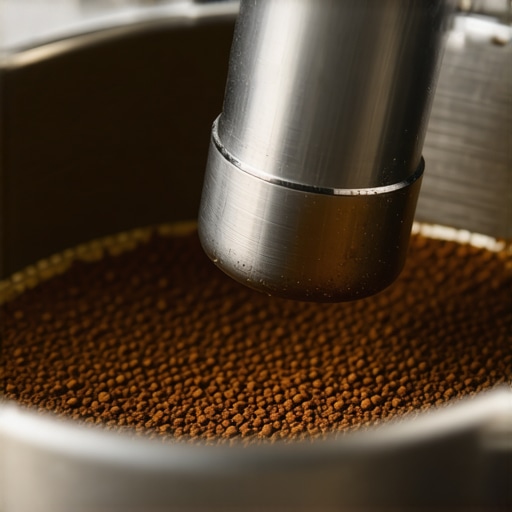
There is a massive trend in the home barista community right now involving those shiny, clover-shaped distribution tools. You know the ones—you drop them on the basket, give them a few spins, and the surface looks like a perfectly flat skating rink. Most people think this is the key to a professional extraction, but in my experience, these tools can actually do more harm than good. While they create a beautiful surface, they often fail to address the density of the coffee at the bottom of the basket. In fact, research published in the Journal of Coffee Science suggests that surface-leveling tools can lead to uneven compression, where the top is overly packed while the bottom remains loose. This is exactly why your distribution tool might be ruining your extraction. You are better off using a simple needle-based WDT tool to ensure the entire bed is fluffy before you go for the move for more consistent puck compression with your tamper. 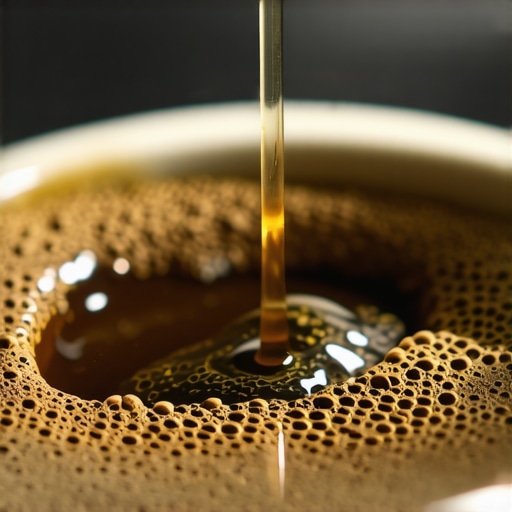
The Corrosive Secret of Using Pure Distilled Water
One of the most dangerous ‘expert’ traps I see involves water chemistry. I have met dozens of enthusiasts who use 100% distilled water because they want to protect their precious top-rated espresso machines from limescale. It sounds logical: no minerals, no scale. However, this is a recipe for a mechanical nightmare. Pure water is ‘hungry’ and will literally leach ions from the metal components of your boiler and group head. Furthermore, most espresso machine sensors rely on the conductivity of minerals in the water to detect levels; without them, your machine might think it’s dry and burn out the heating element. You need to understand the truth about using distilled water in your machine before you cause permanent damage. If your machine is acting up, you might even need to diagnose a faulty espresso machine thermostat caused by erratic thermal readings from improper water.
Why does your shot run fast even when the grind looks perfect?
If you have dialed in your coffee grinder and the grind feels like fine salt, yet the espresso still gushes out in fifteen seconds, you are likely dealing with a combination of ‘stale’ retention and poor alignment. Many home baristas forget that the first few grams out of the chute are actually leftovers from yesterday. This is why the first shot of the day is always a throwaway unless you purge your grinder. If the problem persists, it’s time to look at the right way to align your flat burrs for better shots. Even a fraction of a millimeter of tilt in your burrs can create a mix of boulders and fines that makes a consistent 30-second extraction impossible. Have you ever fallen into this ‘perfect-grind-but-fast-shot’ trap? Let me know in the comments. By focusing on these hidden nuances—water chemistry, internal burr alignment, and deep distribution—you move beyond just ‘making coffee’ and start truly mastering the art of home espresso. Don’t let the shiny gadgets distract you from the physics of the puck.Mastering the shot is only half the battle; the other half is the unglamorous work of keeping your equipment in peak condition. I used to ignore my group head until the water started tasting like charcoal, but now I know that why your machine needs a backflush every single week isn’t just a suggestion—it is a requirement for flavor clarity. If you neglect this, old oils go rancid and no amount of expensive beans can save you. While you are at it, pay attention to your waste management. I once discovered the reason your drip tray is filling up faster than normal was a sign of a leaking solenoid valve, which I only caught because I was looking for patterns in my machine’s behavior.
How do I maintain my barista setup over time?
The secret is a clean-as-you-go philosophy combined with the best routine for a weekend deep clean. I personally spend 15 minutes every Sunday soaking my portafilter and baskets in a dedicated detergent. According to the technical documentation for the La Marzocco Linea Mini, failing to clear the three-way solenoid valve regularly can lead to pressure instability and premature mechanical failure. I also make it a point to how to clean the grinder chute without taking it apart using a simple vacuum attachment once a month to prevent stale grounds from ruining my fresh roasts. #IMAGE_PLACE_HOLDER_D# I have spent thousands on barista gear, but the most important tool for longevity isn’t the machine—it is the protection for your station. You need to learn how to pick a coffee mat that doesnt absorb odors because spilled milk and coffee grounds will eventually seep into your countertop if you aren’t careful. I predict the future of this hobby lies in ‘smart’ maintenance, where top-rated espresso machines will use internal sensors to tell you exactly when your gaskets are brittle. For now, you must manually check how to tell if your water hardness is damaging your boiler before the scale becomes a permanent problem. If you want to take your consistency to the next level today, start weighing every single dose and yield with a 0.1g precision scale to continue mastering the art of home espresso.
The Subtle Shift That Finally Stopped My Shot Channeling
After years of tweaking variables, I realized that my biggest breakthroughs didn’t come from buying a more expensive machine, but from respecting the physics of the coffee puck. I stopped looking at my top-rated espresso machines as magic boxes and started treating them as precision instruments. One lightbulb moment was realizing that even a tiny temperature dip could change everything, leading me to find the move for better temperature stability on entry-level units. Another was the realization that my grinder’s internal heat was affecting my grind size during back-to-back shots; now I know how to stop your grinder from overheating during busy mornings to keep the flavor profile identical from the first cup to the fourth.
Tools That Actually Deserve Space on Your Counter
If you are looking to expand your setup, don’t just buy what is trending on social media. I recommend focusing on utility and hygiene. A dedicated high-GSM microfiber cloth is non-negotiable for that dry basket we talked about. You also need a solid brush for the trick for getting ground coffee out of tight corners—stale grounds are the silent killer of bright roasts. For those who enjoy milk-based drinks, looking into milk frothers that transform your coffee experience can provide a massive upgrade to your morning latte. Finally, always consult a guide when choosing the best barista gear for coffee enthusiasts to ensure your tools actually work together rather than fighting for space.
#IMAGE_PLACEHOLDER_E#
Embrace the Ritual of the Perfect Extraction
At the end of the day, making espresso is a practice. It is about the smell of the beans, the hiss of the steam, and the satisfaction of a tiger-striped pour. Don’t be discouraged by a bad shot; every ‘sink shot’ is just data helping you in mastering the art of home espresso. Whether you are still learning how to select the perfect coffee grinder for your brew or you are fine-tuning your water chemistry, stay curious. The perfect cup is not a destination; it is the result of a thousand small, intentional choices made before you even hit the brew button.
Have you ever had a shot that looked perfect but tasted completely different than you expected? Let me know in the comments below!