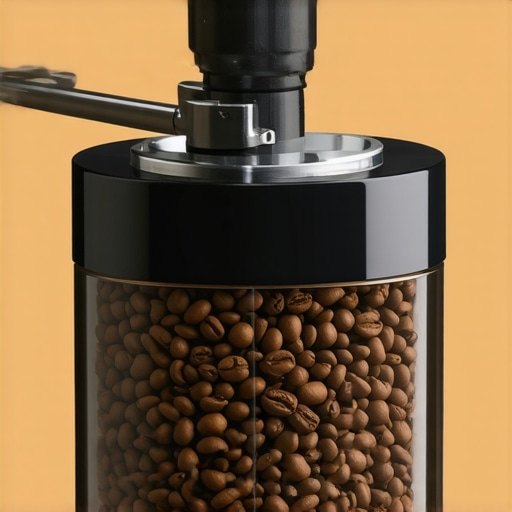

Why Your Coffee Grinder Is Stalling with Dark Roast Beans
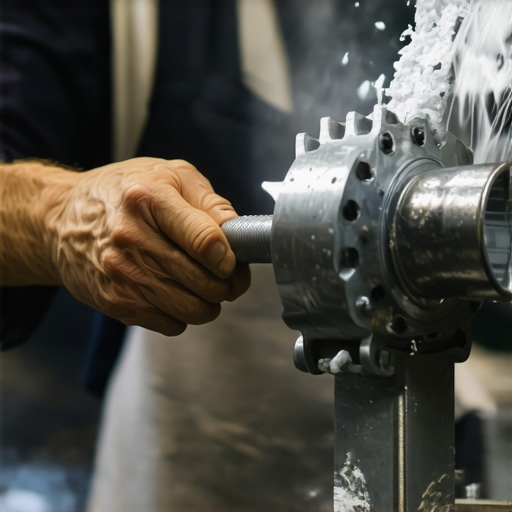
There I was, 6:15 AM, clutching my favorite mug like a life raft. I had just opened a fresh bag of Italian Roast—shiny, dark, and smelling like a dream. I flipped the switch on my grinder, expecting that familiar, satisfying whir. Instead? I got a pathetic, guttural urgh followed by a silence so heavy it felt personal. My heart sank. I’d invested a good chunk of change into my barista gear, and now it was just an expensive paperweight because of a few oily beans. I actually panicked and tried to force the adjustment ring to a coarser setting while the motor was stuck, which is a huge mistake that can strip your gears. Don’t do that. That morning, I learned the hard way that dark roasts aren’t just a flavor profile; they are a physical challenge for your equipment. Have you ever heard that dreaded ‘thud’ right when you need your caffeine the most? If you’re nodding your head, stick with me. We are going to solve this stalling issue today so you can get back to your morning ritual without the mechanical drama.
Stop the Stalling Before You Fry Your Motor
I’ve been there more times than I care to admit. Early on, I made the classic rookie mistake of thinking I could just ‘power through’ a jam by repeatedly flicking the power switch. All I did was heat up the motor and smell that terrifying scent of ozone. If your machine is groaning, it’s not just being lazy; it’s fighting a literal battle against friction and oil. When you are selecting the perfect coffee grinder, nobody really warns you that the oiliest beans are the ones most likely to ground your operation to a halt. The good news is that you don’t need a degree in engineering to fix it. You just need to understand what those beans are doing to your burrs.
Is my grinder just too cheap for dark roasts?
It’s the first thing everyone thinks when the motor stops. ‘Did I buy a lemon?’ Honestly, even high-end espresso machines and professional grinders can struggle with very dark, oily roasts. It is often less about the price tag and more about the physics of the bean itself. Higher-priced grinders might have more torque, but they aren’t immune to the ‘cement’ that dark roast dust can create.
Why Those Oily Beans Act Like Glue in Your Burrs
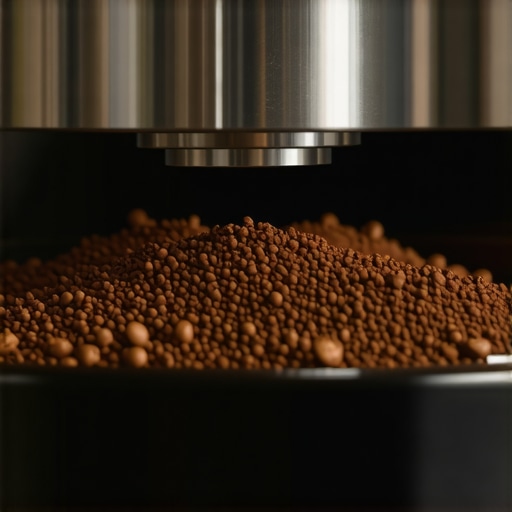
Darker roasts spend more time in the roaster, which causes the internal oils to migrate to the surface. While that looks beautiful in the bag, it acts like a magnet for coffee fines inside your machine. This tackiness is exactly why your grinder makes more mess with dark roast beans compared to light roasts. According to research by the Specialty Coffee Association, the cellular structure of a bean becomes significantly more porous and brittle the longer it is roasted, which leads to a higher production of ‘fines’ that combine with surface oils to create a thick paste. This paste eventually builds up until your burrs can no longer rotate. Before you start taking things apart, you need to know how to clear a jammed chute safely, which is usually the first place that oily sludge begins to pile up and choke the flow.
Empty the Chamber Before You Panic
The moment that motor stalls, your first instinct is to flip the switch again. Stop. Unplug it immediately. You need to relieve the pressure on the motor. I remember a Tuesday morning where I ignored this and ended up having to fix a grinder adjustment ring that is stuck because the beans had wedged themselves so tightly into the threading. Once the power is off, turn the hopper over and dump the beans. Use a vacuum hose—yes, your household vacuum—to suck out the remaining shards from the top of the burrs. This is the fastest way to reset the stage without a full teardown.
The Pipe Cleaner Secret for Sticky Chutes
Often the jam isn’t at the burrs; it’s the ‘exit door.’ If you see a wall of dark brown mud in the spout, you need to learn how to clean your grinders discharge chute with a pipe cleaner. I keep a pack of extra-thick craft pipe cleaners next to my top-rated espresso machines just for this. Poking it up through the chute while the motor is OFF breaks the vacuum seal of oily fines.
Start the Motor Before Adding the Beans
This is the single most important habit for dark roast lovers. Most of us fill the hopper, then hit ‘Grind.’ With oily beans, the motor has to fight the weight of the beans and the friction of the oil from a dead stop. Instead, turn the grinder on first, then slowly pour your dose into the spinning burrs. This ‘hot start’ uses the motor’s momentum to slice through the beans rather than pushing against them. It drastically reduces the chance of a stall. If you find why your coffee grinder retains more grounds than it should, it’s usually because you’re feeding it too fast.
Try the Freezer Trick for Stubborn Roasts
When I was testing a particularly ‘juicy’ French Roast last summer, the oil was so thick it felt like grinding crayons. I put the beans in the freezer for 15 minutes before grinding. This solidifies the surface oils, making the bean more brittle and less like gum. Using the freezer trick for cleaner grinding on hot days isn’t just about temperature; it’s about changing the physical state of the oils so they don’t smear across your burrs. If you still face issues, you might need the best way to clean a grinder without taking it apart by using cleaning pellets, which absorb those excess oils like a sponge.
Price Tags Do Not Protect Your Motor From Friction
There is a common myth in the coffee community that if you spend enough on barista gear, your equipment becomes invincible. I’ve seen people drop two grand on a setup and then act surprised when a French Roast brings the motor to its knees. The truth is actually counter-intuitive: high-end grinders often have tighter tolerances between the burrs. While this is great for precision, it means there is less ‘escape room’ for the sticky paste created by oily beans. When you are mastering the art of home espresso, you have to realize that your grinder is a precision instrument, not a garbage disposal. Even the top-rated espresso machines and grinders can fail if you treat torque as a substitute for proper technique. Higher torque can sometimes even make the problem worse by compacting the ‘coffee cement’ deeper into the adjustment threads, leading to a situation where you need to learn how to fix a grinder adjustment ring that is stuck. Have you ever fallen into this trap of thinking your machine could just ‘power through’ a tough roast? Let me know in the comments.
Why does the flow rate fluctuate when the dial stays the same?
This is the question that separates the hobbyists from the pros. You haven’t touched the dial, yet your shot is running three seconds faster than yesterday. In my experience, this isn’t a mechanical ghost; it’s usually environmental. Research by the Barista Guild suggests that as beans age and oils migrate further to the surface, the way they shatter during grinding changes significantly. This is why your grinder settings feel like they changed overnight. The oil acts as a lubricant one moment and an adhesive the next, causing the ‘fines’ to clump together and create erratic resistance. If you don’t account for this, you might find why your espresso tastes bitter even with a fast pull because the water is finding paths of least resistance through those oily clumps.
The Pulse of Death and Other Grinder Traps
The biggest mistake I see—and I’ll admit I did this once in a pre-caffeine fog—is what I call the ‘Pulse of Death.’ When the motor stalls, the user frantically hits the ‘on’ button repeatedly, hoping a quick burst of power will break the jam. Do not do this. Each pulse sends a surge of electricity through a motor that cannot turn, generating massive amounts of heat in the windings. This is a fast track to a blown capacitor or a melted thermal fuse. If your machine suddenly goes silent, you’ll need to know how to fix a grinder that wont turn on after cleaning or a stall. Instead of forcing it, embrace the nuance of the bean. If you are struggling with heavy oils, the secret to pulling sweet shots from very dark roasts often involves slightly increasing your grind size and lowering your brew temperature to compensate for the increased solubility of those darker beans. This protects your motor and your palate simultaneously.
Stop the Grime Before It Stops Your Morning
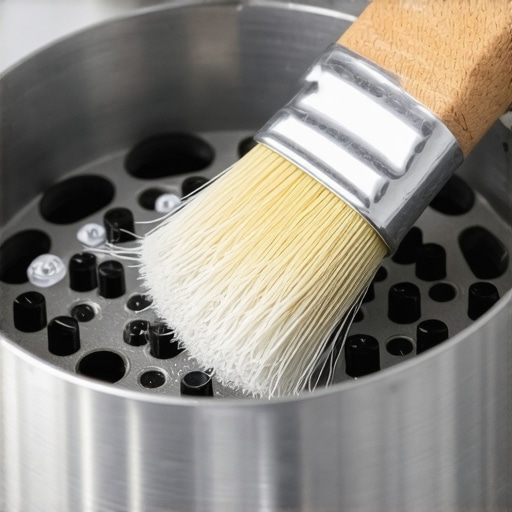
Once you’ve cleared that initial jam, you can’t just go back to business as usual. That oily residue is like a ghost that haunts your machine. If you don’t strip those oils away, the very next batch of beans will stick to the leftover film, and you’ll be right back in ‘stall city.’ Personally, I dedicate fifteen minutes every Sunday to a deep-clean ritual. I use a stiff-bristled nylon brush specifically because it reaches into the crevices of the burr geometry where a standard kitchen brush fails. If you’re seeing why your coffee grounds are clumping together even after a cleaning, it’s usually because of ‘static-oil bonding’—a fancy way of saying your burrs are still greasy. For the rest of your setup, don’t forget that milk frothers that transform your coffee experience also require the same level of vigilance. I’ve seen beautiful machines ruined because a tiny bit of residue was left to harden.
The Survival Kit Every Coffee Obsessive Needs
I don’t believe in buying every gadget on the market, but when you are choosing the best barista gear for coffee enthusiasts, three tools are non-negotiable for me. First, a dedicated air blower (the kind photographers use for lenses) is a lifesaver for clearing out dry fines without introducing moisture. Second, you need food-grade lubricant for your adjustment threads. Without it, you’ll eventually find yourself needing the simple shim fix for a loose portafilter handle or a stuck ring. Finally, I swear by cleaning pellets. Unlike rice—which is too hard and can actually damage your motor—these pellets are designed to expand and contract, scrubbing the oils off the burrs as they pass through. It’s the difference between wiping a greasy pan with a dry paper towel versus using soap.
How do I keep my setup running like new for five years?
Maintenance isn’t a one-and-done event; it’s about listening to the machine. I always keep an ear out for the pitch of the motor. A subtle change in frequency often means your burrs are getting dull or your gaskets are failing. For example, if you notice a slight hiss from the casing, you need to know how to spot a failing solenoid valve before it floods your kitchen. According to the Baratza Sette 270 Technical Manual, even high-torque gearboxes are susceptible to thermal expansion if they are forced to run through a clog for more than three seconds. This heat can warp the plastic housing and lead to permanent misalignment. My rule of thumb? If it sounds different, stop and inspect it. This habit has saved me hundreds in repair costs over the years. I also make it a point to how to clean the inside of your steam wand pipe once a month to ensure the pressure remains consistent for that silky microfoam.
The Future of High-Torque Home Grinding
Looking ahead, I predict we are moving toward a ‘Smart Torque’ era. We are already seeing high-end commercial machines implementing sensors that detect resistance spikes and automatically reverse the motor to clear a jam. Within the next two years, I expect this technology to trickle down into the home market, making the ‘Pulse of Death’ a thing of the past. Until then, we have to rely on our own senses and proper technique. If you want to elevate your routine today, I challenge you to do one thing: Go check your discharge chute right now with a flashlight. If you see a dark brown ring of build-up, don’t wait for a stall. Use a pipe cleaner and clear it out immediately. Your motor (and your taste buds) will thank you.
The Hard Lessons I Learned After Wrecking My First Burrs
Experience is the best teacher, but in the world of high-end coffee, it’s also the most expensive. After years of tinkering, I’ve realized that dark roasts are essentially the ‘boss fight’ of coffee grinding. First, you have to accept that oily beans are a moving target. The friction coefficient changes as the motor warms up, which is why your coffee beans are sticking to the sides of the hopper one minute and sliding fine the next. Second, don’t trust your eyes alone; trust your ears. If the pitch of the motor drops even a half-octave, you are seconds away from a jam. I’ve also found that keeping the hopper less than half full prevents the ‘weight-crush’ effect that often leads to why your coffee grounds are clumping like little rocks. Finally, never adjust your grinder to a finer setting while it’s off—this is the fastest way to trap an oily bean between the burrs and snap a drive belt.
Gear That Actually Earned Its Counter Space
When you are choosing the best barista gear for coffee enthusiasts, it’s easy to get distracted by shiny aesthetics. However, for those who love dark roasts, utility is king. I personally swear by a bellows attachment for my hopper; a single pump of air after every dose clears the chute and prevents the ‘cement’ from ever forming. I also recommend keeping a dedicated set of milk frothers that transform your coffee experience nearby, because if your grinder is giving you trouble, you’ll want the rest of your workflow to be seamless. For cleaning, skip the vacuum once in a while and use a dedicated rocket blower—it’s more precise for clearing the static-laden dust that hides in the crevices of top-rated espresso machines and their companion grinders.
#IMAGE_PLACEHOLDER_E#
Your Gear Deserves a Long Life
At the end of the day, your coffee setup is an investment in your daily joy. Taking these small, preventative steps ensures that your morning ritual remains a moment of peace rather than a mechanical headache. By mastering the art of home espresso and understanding the unique physics of oily roasts, you’re not just making better coffee—you’re becoming a true steward of your equipment. Don’t let a few stubborn beans intimidate you. With the right technique and a little bit of vigilance, you can enjoy the richest, darkest roasts without ever hearing that dreaded stall again. Have you ever had a grinder jam right when you were hosting guests or in a pre-caffeine rush? Let me know your ‘horror’ stories in the comments below!