The Reason Your Milk Smells Like it’s Burning Before the Temp is Right
I’ll never forget the morning I finally upgraded my home espresso setup. I had the shiny top-rated espresso machines and a precise coffee grinder, but the moment I dipped my steam wand into the pitcher, things went sideways. Before the metal even felt lukewarm against my palm, a sharp, acrid scent—like burnt hair and scorched sugar—wafted up. I looked at the thermometer; it was barely 100°F. I was devastated. Was my machine broken? Was the milk spoiled? It turns out, I was making a rookie mistake that happens to almost everyone starting out with home espresso.
Stop Blaming the Milk and Look at Your Wand
If you’ve ever winced at that singed smell while the milk is still practically chilled, you aren’t alone. It is a frustrating barrier between you and that silky microfoam you’ve been dreaming of. Most people assume the milk itself is boiling, but usually, the culprit is localized overheating. I used to make the mistake of not purging my wand correctly, or worse, leaving a microscopic layer of old milk from the previous day’s latte. That “invisible” residue burns the millisecond the steam hits it, even if the fresh milk in the pitcher is still cold. When I first started, I thought my high-end milk frother was defective. In reality, I was just ignoring blocked steam wand tips and poor hygiene. According to the International Dairy Journal, localized heat on a metal surface can cause proteins like beta-lactoglobulin to denature and stick to the surface almost instantly, creating that foul smell before the bulk liquid even warms up.
Is my expensive equipment just a lost cause?
You might be worried that your boiler is failing or that you’ve permanently scorched your barista gear. I’ve been there, staring at a brown crust on my wand, wondering if I should just go back to the local cafe. But the fix is usually much simpler than a repair bill. Today, we’re going to walk through how to stop your milk frother from burning the bottom of the jug and why your technique might be the hidden villain. Have you ever had to dump out a pitcher of milk because it smelled like a campfire before it even got hot? It’s a rite of passage for many of us. Let’s dive into the mechanics of why this happens and how you can reclaim your morning latte.
Clear the Path Before You Steam
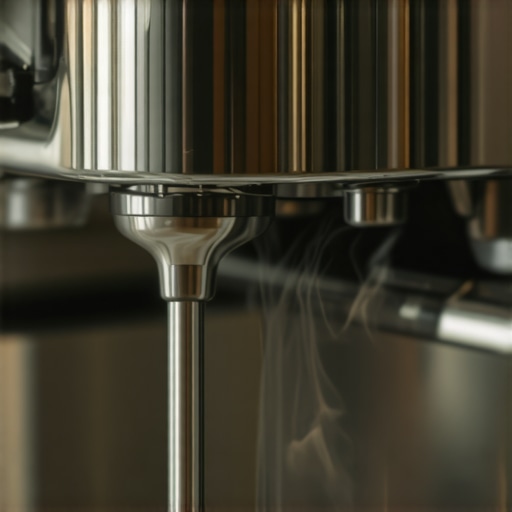
The first thing I do every single morning—even before I touch my coffee grinder—is a three-second blast of steam into the drip tray. If you skip this, you’re shooting trapped condensation and old, crusty proteins directly into your fresh milk. I learned this the hard way when I hosted a brunch and my third latte smelled like scorched rubber. I realized I hadn’t performed the best way to purge your steam wand without getting burned, and the leftover moisture was basically boiling the milk at the point of contact. This purge clears the ‘dead’ water and ensures you’re working with dry, high-pressure steam. Think of it like clearing a garden hose before you start watering; you don’t want that initial hot, stagnant water hitting your delicate plants.
Stop Dragging the Tip on the Bottom
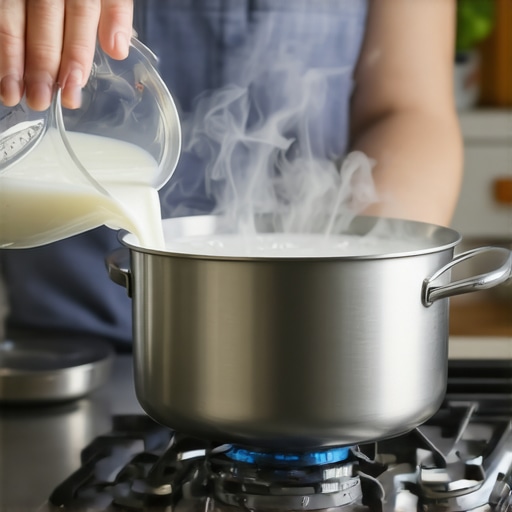
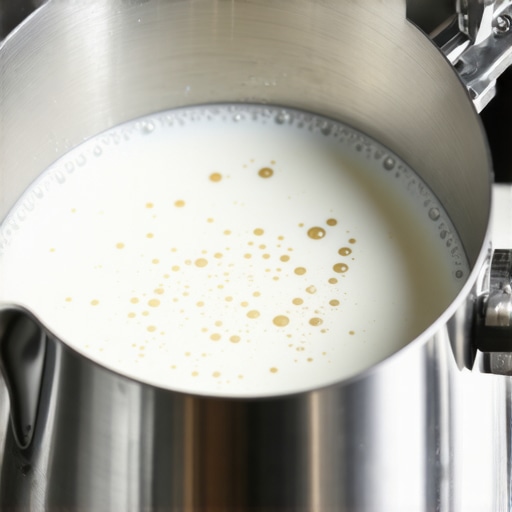
When you feel that heat spike and smell burning, check your depth. Most beginners shove the wand deep into the jug, often letting the tip rest near or on the metal floor. This is a recipe for disaster. The steam tip is the hottest part of the entire top-rated espresso machines ecosystem. If that heat is trapped against the stainless steel of your pitcher, it creates a localized hot spot. The milk proteins get ‘stuck’ between the hot metal and the steam jet, cooking them instantly into a brown film. I remember one morning I was so tired I just let the pitcher hang on the wand; within ten seconds, I had a blackened ring on the bottom of my favorite jug. Now, I always keep the tip just below the surface, about half an inch deep, to ensure the heat is dispersed into the liquid rather than the container. This is the only real way to stop your milk frother from burning the bottom of the jug effectively. 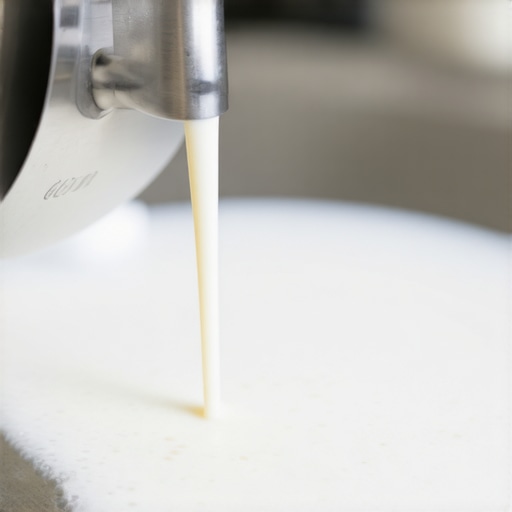
Listen for the Paper Tear and Feel the Heat
You shouldn’t need a thermometer to tell you when things are going south. I rely on my palm. By keeping one hand on the side or bottom of the pitcher, you become the sensor. If the bottom feels painfully hot but the sides are still cool, your vortex is broken. You need to find the trick to getting the perfect swirl in your milk pitcher to move that heat around. If the milk is stationary, the steam just beats against the same molecules until they burn. You want that ‘paper tearing’ sound for the first few seconds to add air, then a silent, aggressive whirlpool to distribute the temperature. I’ve found that even on milk frothers that transform your coffee experience, if you don’t create that movement, the sugars will caramelize too fast and turn bitter.
Clean it Like You Mean it Every Single Time
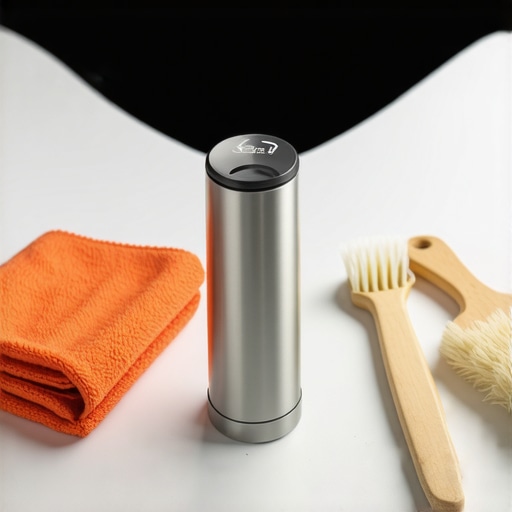
The burning smell often comes from what you did *last* time. If you don’t wipe the wand with a damp cloth the *millisecond* you finish steaming, the residual heat from the metal bakes the milk film into a hard, invisible shell. The next time you turn it on, that shell burns. I used to be lazy about this until I noticed my why your steam wand tips keep getting blocked by milk residue issues were actually causing my milk to taste like ash. Now, I keep a dedicated ‘milk rag’ that is always damp. Wipe first, purge second. This double-tap method prevents the ‘baked-on’ effect that ruins your barista gear and keeps your flavor profile clean.I’ve seen many enthusiasts spend a fortune on top-rated espresso machines only to be let down by thin, watery foam. The common myth is that a four-hole steam tip is an automatic upgrade over a two-hole one. In reality, unless your machine has a commercial-grade boiler, you’re likely suffering from wet and spluttery steam because the pressure drops too fast through multiple exits. This is precisely why some steam wands have two holes and others have four; it’s about matching the boiler’s recovery rate to the orifice size. If you’re struggling with consistency, switching to a tip with fewer holes can actually increase your control and texture quality. It sounds counterintuitive to ‘downgrade’ your barista gear, but it is often the secret to achieving that velvet-paint consistency on a home-scale unit.
Why does your milk texture change as the gallon gets older?
You might notice that a fresh bottle of milk froths like a dream on Monday, but by Friday, it barely holds a bubble even if it smells perfectly fine. This isn’t your home espresso technique failing you. It’s a biochemical process called lipolysis. According to a study in the Journal of Dairy Science, as milk sits in your fridge, naturally occurring enzymes break down triglycerides into free fatty acids. These acids act as powerful anti-foaming agents that collapse your microfoam. This is exactly how to tell if your milk is too old for latte art. If you find the reason your steam wand only makes thin hot milk is persistent across different pitchers, try a brand-new carton before you start diagnosing mechanical failures. 
The Microscopic Build-up You Can’t See From the Outside
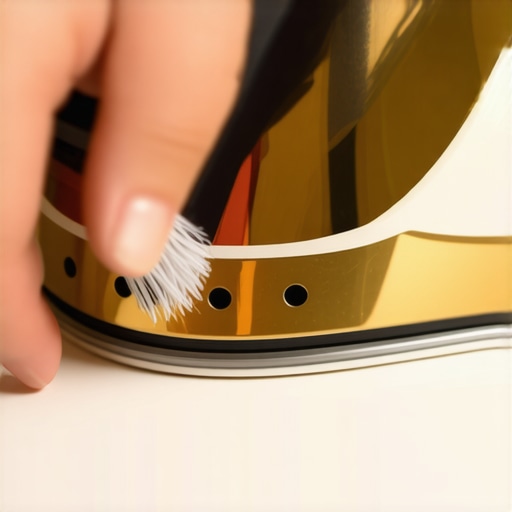
One of the most dangerous ‘traps’ for the advanced home barista is assuming a clean exterior equals a clean machine. I once spent an entire Saturday trying to figure out how to fix a steam wand that only blows out weak air, only to discover the blockage was deep inside the assembly. A vacuum effect occurs the moment you shut off the steam, literally sucking a tiny amount of milk back into the wand. If you don’t know how to clean the inside of your steam wand pipe, you’re eventually steaming through a layer of calcified protein. This hidden gunk restricts flow and is the primary cause of why your steam wand tip holes keep getting clogged.
Your Grinder Might Be Sabotaging Your Milk Flavor
Finally, don’t overlook your grinder’s role in the ‘burning’ sensation. If your coffee grinder is retaining too many grounds, you might be brewing ‘zombie’ coffee—old, oxidized dust from yesterday mixed with today’s fresh beans. This creates a bitter, ashy flavor that people often mistake for burnt milk. Understanding why your grinder settings feel like they changed overnight or how to stop static from ruining your grinding workflow is just as vital as your milk technique. Mastering how to stop your milk frother from burning the bottom of the jug is just the first step in a much larger workflow. Have you ever fallen into this trap? Let me know in the comments.Beyond the daily wipes and purges, you have to look at the invisible health of your setup. If you live in a hard-water area, even the most expensive top-rated espresso machines are essentially ticking time bombs. I didn’t realize this until my first machine started making a rhythmic whistling sound—the sound of a heating element struggling against a thick calcium shell. You must learn how to tell if your machine boiler is accumulating lime scale before it chokes the internal copper pipes. I spent a whole weekend trying to fix a sour taste only to realize I’d performed a failed descale. If you aren’t careful, you’ll end up wondering why your coffee tastes like vinegar after descaling because the citric acid didn’t flush out properly.
Test Your Water Before It Tests Your Patience
Stop guessing about your water quality. I use the easy way to test your machines water hardness at home every few months. La Marzocco’s official technical specifications suggest that total hardness should ideally stay between 35-85 ppm (parts per million) to prevent both catastrophic scale and the opposite nightmare: corrosion. If your water is too ’empty’ or soft, it will actually leach minerals right out of your boiler’s metal walls. My barista gear lasted twice as long once I started mixing my own water or using specialized filters.
How do I keep my machine running like new for years?
Consistency comes down to a preventative schedule. Every 50 shots, I do a full chemical backflush. If you have a classic chrome machine, you need to know how to properly lubricate your E61 group head cam. Without food-grade grease, that satisfying lever pull will eventually turn into a gritty, metal-on-metal grind that ruins the internal gaskets. While you’re at it, treat your aesthetics with care; I’ve found the best way to clean a wood-handled portafilter is a simple damp microfiber—never soak the wood or you’ll be buying a replacement within a month. 
Ditch the Knobs for a Joystick
If you’re serious about scaling your workflow, look at your steam controls. I eventually realized why you should switch to a lever handle for your steam wand. Standard twist knobs require multiple rotations, which slows you down and leads to uneven milk texture. A lever or ‘joystick’ style gives you instant, 100% pressure, allowing you to focus entirely on your pitcher position. I predict that in the next few years, we will see even more ‘smart’ sensors integrated into milk frothers that transform your coffee experience, with built-in refractometers to measure milk protein degradation in real-time. For now, your best tool is your own maintenance habit. Even a high-end coffee grinder will fail if you don’t keep it clean. Don’t let your home espresso journey end with a repair bill. Grab a simple water testing kit this week and check your hardness—it is the single most important thing you can do for your machine’s longevity.
Why Your Technique Matters More Than the Price Tag
I used to think my steam wand was just ‘aggressive’ by nature. I didn’t realize that raw steam power without the right technique is essentially a blowtorch for milk proteins. The biggest lightbulb moment for me was realizing that flavor is additive—if your espresso tastes burnt even with light roast beans, the culprit is often the invisible residue from previous sessions. I learned that consistency isn’t about having the most expensive coffee grinder, but about the discipline of the three-second purge. Once I stopped blaming the milk and started respecting the wand’s hygiene, the acrid smells vanished instantly.
Essential Tools That Keep My Microfoam Silky
To keep my workflow smooth and my flavor profile clean, I rely on a few specific pieces of barista gear. First, a dedicated water hardness test kit; it is the only way to protect top-rated espresso machines from internal scale death. Second, I always keep a ‘wet rag’ specifically for the wand—never use the same cloth for the counter and the steam arm. Finally, I recommend a precision milk pitcher with a pointed spout to help you master how to stop your milk frother from burning the bottom of the jug by controlling the vortex better.
Your Morning Latte is Worth the Extra Effort
Don’t let a few scorched pitchers discourage you from pursuing the perfect cup. You aren’t failing at home espresso; you are simply learning the mechanical language of your equipment. With a clean wand and a bit of patience, that sweet, velvety microfoam is well within your reach. Every great barista has a ‘burnt milk’ horror story—now it’s time for you to write your success story. Have you ever been blindsided by that burnt hair smell during your morning rush? Let me know your biggest steaming struggle in the comments below!