How to Tell if Your Water Hardness is Damaging Your Boiler
I will never forget the morning my pride and joy—a shiny Italian espresso machine I had saved for months to buy—started making a sound like a kettle full of gravel. It was a rhythmic, wheezing thrum that definitely was not there the week before. I ignored it for a few days, telling myself it was just ‘breaking in.’ That was my first big mistake. When I finally cracked the casing open, the heating element looked less like a precision instrument and more like a piece of coral reef pulled from the bottom of the ocean. Calcium carbonate had literally choked the life out of my boiler. If you have noticed your espresso machine takes longer to heat up recently, you might be facing the same silent killer I did. Today, I am going to show you exactly how to spot the red flags of water hardness damage so you do not end up with a very expensive paperweight on your counter.
Your Boiler is Screaming for Help and You Might Be Ignoring It
Most of us focus on finding the perfect coffee grinder for your brew or chasing the rarest beans, but we forget that coffee is 98% water. When that water is ‘hard’—meaning it is packed with minerals like calcium and magnesium—it does not just stay in the water. It precipitates out when heated, coating your boiler walls, heating elements, and sensors. I learned the hard way that a machine leaking from the steam valve can often be traced back to scale buildup preventing a proper seal. According to the Specialty Coffee Association (SCA), water for brewing should ideally contain between 35 and 85 ppm of calcium hardness to balance taste with machine health. Have you ever noticed a weird white crust around your steam tip or a sudden drop in steam power? That is not just ‘wear and tear’; it is a warning sign.
Will Distilled Water Just Fix Everything Overnight?
I see this question in every forum: ‘Why not just use 100% distilled water?’ I tried it. It was my second major mistake. Distilled water is so ‘hungry’ for minerals that it can actually leach metal right out of your boiler components. Plus, your machine’s sensors often need minerals in the water to even detect it is there. Instead of guessing, you should check out the easy way to test your machines water hardness at home. Trust me, five minutes of testing is cheaper than a new heating element. Are you worried that your tap water is slowly eating your machine from the inside out? Let’s dive into the specific symptoms you need to look for right now.
Spot the Chalky Warning Signs on Your Steam Wand
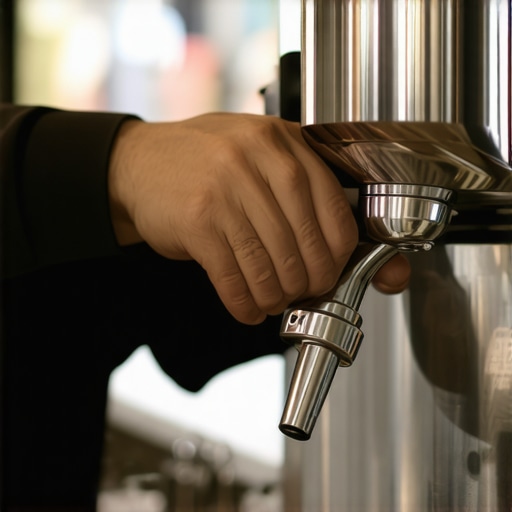
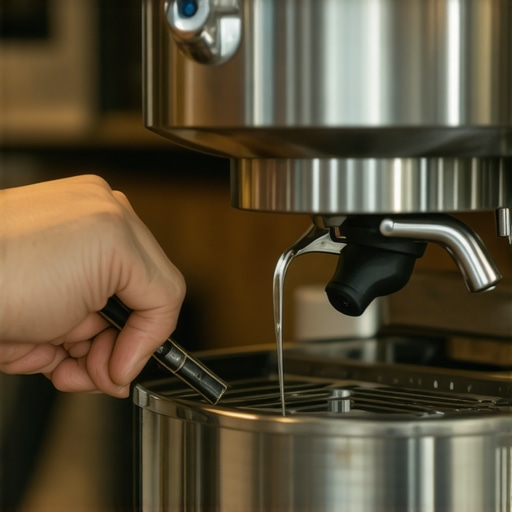
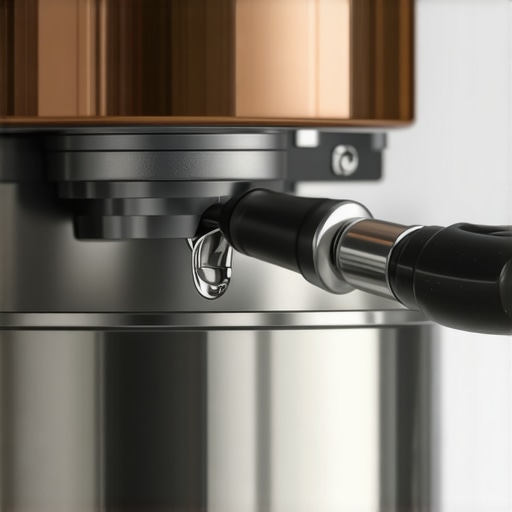
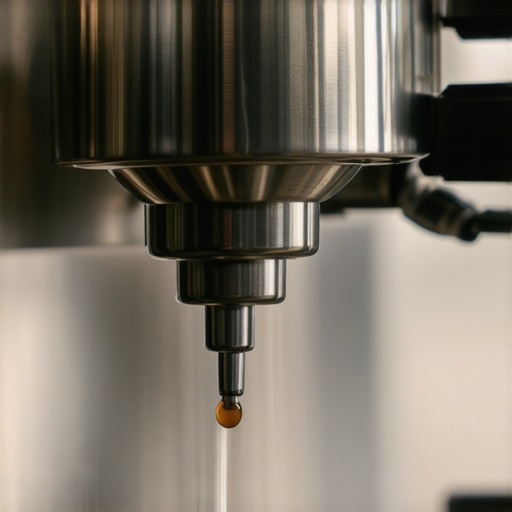
Scale is like plaque in your machine’s arteries. It starts where you can see it: the steam wand tip. If you notice a white, powdery residue that won’t wipe away with a damp cloth, your boiler is already under siege. This buildup narrows the path for steam, which is why you might find yourself searching for the one way to fix a clogged steam wand without chemicals before giving up. I once ignored a crusty tip for three months, thinking it was just dried milk. By the time I took it seriously, the internal valve pin was so seized I had to replace the entire assembly because of a persistent leaking from the steam valve.
Why Your Pressure Gauge Is Lying to You
Your machine’s internal sensors are incredibly sensitive, but they aren’t smart. When calcium coats a pressure transducer or the copper capillary tube, the reading on your front panel becomes a work of fiction. If your espresso machine pressure gauge stays at zero even though the water is clearly hot, you likely have a ‘scale plug’ blocking the sensor port. It is a terrifying moment when you flip the switch and nothing happens, but often, it is just the machine’s way of saying it can’t feel its own pulse. I remember a frantic Sunday where I thought my pump had died. In reality, a tiny flake of scale had drifted into the sensor line, tricking the machine into thinking the boiler was empty when it was actually full to the brim.
Listen for the Thrum of a Struggling Pump
Hard water doesn’t just sit in the boiler; it travels through the pump. A healthy vibratory pump should have a consistent, rhythmic hum. If that sound becomes erratic, high-pitched, or ‘dry’ sounding, your pump is struggling to push water through scale-narrowed copper lines. This increased resistance is often the reason your espresso machine is tripping the breaker, as the motor draws too much current trying to fight the blockage. When I first started out, I made the mistake of thinking I could just descale more aggressively to fix this. However, I learned that once the scale is that thick, a standard descale can actually make things worse by dislodging large flakes that clog the solenoid. If you find yourself in that boat, you need to know how to recover from a failed descaling process before you reach for the toolbox.
Check the Hidden Gasket Groove
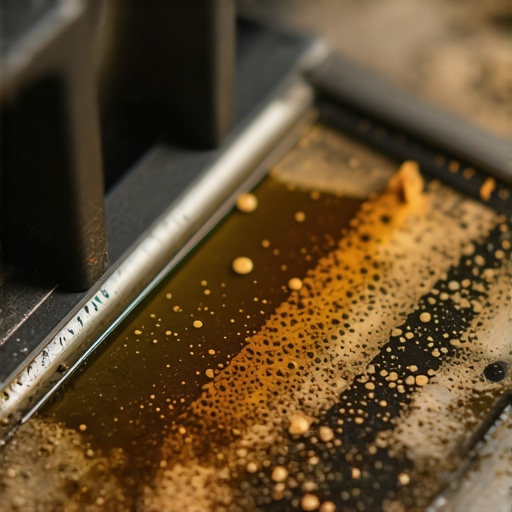
Finally, pull your shower screen and look at the group head. If the rubber is hard and brittle, it’s not just age—it’s heat and mineral stress. Scale buildup behind the gasket creates an uneven surface that prevents a tight seal, leading to leaks and messy shots. Learning how to replace a group gasket without scratching the chrome is a basic maintenance skill that every owner needs. While you have the gasket out, look at the metal surface; if it’s pitted or covered in white spots, you’ve discovered the smoking gun. Stop guessing about water and learn the truth about using distilled water in your machine so you can find the right balance between protection and flavor.
The Descaling Trap That Might Be Eating Your Boiler
I frequently see home baristas bragging about their monthly descaling routine as if it is a badge of honor. But here is a contrarian take: if you are descaling that often, you are actually killing your machine. Most people assume that aggressive cleaning is always better, but the Specialty Coffee Association (SCA) Water Quality Handbook emphasizes the need for a specific mineral balance to maintain a protective ‘buffer’ on metal surfaces. When you use harsh acids too frequently, you strip away the natural oxidation layer that protects your copper and brass. I once met a hobbyist who was so diligent about descaling that they eventually dissolved the sensitive coating on their heating element, causing a short circuit. Instead of over-cleaning, focus on prevention by getting the water chemistry right from the start. Have you ever fallen into this trap of over-maintaining your gear? Let me know in the comments.
Avoid the Temptation of Kitchen Vinegar
One of the biggest ‘oops’ factors in the community is the use of white vinegar for descaling. It is cheap and accessible, but it is a nightmare for espresso gear. Vinegar is incredibly difficult to rinse out of a boiler, and you will quickly realize why your espresso tastes like vinegar after cleaning for weeks afterward. Even worse, the acetic acid can be too aggressive for certain rubber seals, leading to premature leaks. If you want to keep your internals pristine, stick to citric or sulfamic acid-based cleaners designed specifically for coffee equipment.
Why Does Your Shot Timing Drift Even After a Deep Clean?
You might have a perfectly clean boiler and yet find yourself wondering why your shot extraction time changes every single day. Advanced users often mistake this for a machine fault, but the nuance usually lies in the grinder’s thermal stability. As you pull shots, the friction from the burrs generates heat, which expands the metal and subtly changes your grind size. This is why how to properly season new steel burrs for better consistency is so vital; seasoned burrs handle this thermal expansion much more predictably. Additionally, many beginners make the error of grinding too fine for a pressurized basket, which creates backpressure that scale-clogged valves simply cannot handle. If your machine is older, the move that saves your grinder from unnecessary wear is to ensure you are not ‘choking’ the pump with an impossibly fine grind. Even something as simple as why your plastic tamper is making your espresso sour can be traced back to uneven puck density, which creates channels that scale particles love to settle in. Mastering these nuances is what separates a true enthusiast from someone who is just fighting their equipment.I used to think my hands were calibrated by some divine barista spirit until I realized my consistency was all over the map. If you are still eye-balling your shots, you are essentially gambling with your morning joy. I finally invested in a high-precision scale with less than 0.1s latency, because I discovered why your coffee scale is giving you inconsistent readings—often it’s just cheap sensors failing under the heat of the drip tray. When you are browsing through the top rated espresso machines for coffee lovers in 2025, you must realize that the machine is only half the battle. You need to be choosing the best barista gear for coffee enthusiasts, like a high-quality distribution tool or a self-leveling tamper, to remove the human error from the equation. 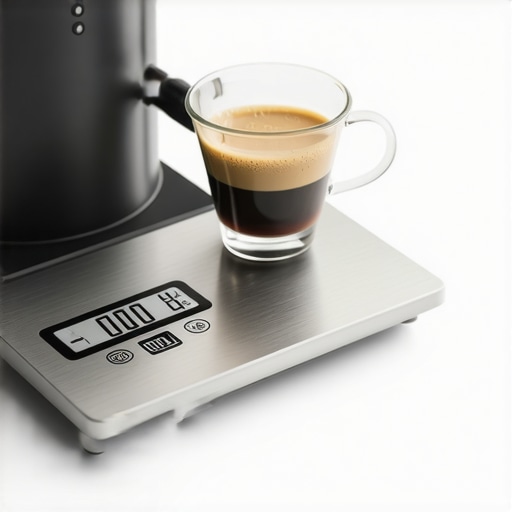
How can I keep my espresso setup running like new for a decade?
The secret isn’t a magic chemical; it is the mundane habit of the ‘clean down.’ Most people treat their machines like a microwave, but it’s more like a vintage car that requires precision tuning. I make it a point to never leave my machine on a timer for 24 hours a day, and I’ve learned why you should never leave water in your reservoir overnight—stagnant water is a breeding ground for biofilm that can clog your intake filters and eventually ruin the flavor of your brew. Furthermore, you need to understand why your machine needs a backflush every single week to clear out the rancid coffee oils that accumulate behind the shower screen and in the three-way solenoid valve. Technical documentation from La Marzocco for their high-end series actually suggests that even a partial blockage in the 0.6mm gicleur—the tiny flow restrictor—can alter your brew pressure by as much as 2 bars. This is a massive swing that is enough to ruin even the most expensive specialty beans. Looking ahead, the industry is shifting toward total flow control. I predict we will see more consumer machines integrating real-time mineral sensors and automated flow-profiling that can adjust on the fly based on how the coffee is aging. We are moving toward a future where the machine handles the complex fluid dynamics so we can focus on the sensory experience of the craft. If you are just starting, mastering the art of home espresso tips for beginners often starts with these basic maintenance habits rather than fancy latte art. For now, you should commit to the best routine for a weekend deep clean. Don’t wait for a leak or a weird noise to act. Pop the top off your machine this Saturday, check the internal hoses for any signs of brittleness, and ensure your connections are tight. It’s the single best move you can make to protect your investment.
Lessons from the Day I Almost Melted My Boiler
I used to think that scale was something only professional baristas in hard-water states had to worry about until my first repair bill arrived. One thing I have learned is that your machine usually tells you it is sick weeks before it stops working; you just have to listen for that high-pitched whine or the extra thirty seconds it takes to reach temperature. Also, never assume expensive bottled water is safe; some artesian waters are actually harder than what comes out of your tap. Testing is the only way to be truly sure of what you are putting into your boiler.
- The Silent machine myth: If your machine is suddenly unusually quiet during the heat-up phase, it might not be running smooth; it might be so choked with scale that the heating element can no longer create convection.
- Preventative water treatment is always cheaper than reactive descaling. One saves the machine, while the other—if done too often—slowly erodes the copper components.
- The cost of ignoring a five-minute test is hundreds of dollars in replacement parts. Testing your water hardness is the highest ROI activity in this hobby.
The Toolkit That Keeps My Counter Clutter-Free
For anyone looking to level up their maintenance game, I always recommend a simple chemical drop-test kit over paper strips for much better accuracy. Beyond that, choosing the best barista gear for coffee enthusiasts means looking for machines with easy-access drain valves or user-serviceable boilers. I also rely heavily on the remineralized water method where I add specific amounts of magnesium and bicarbonate to distilled water, ensuring the boiler stays pristine while the coffee flavors pop. #IMAGE_PLACEHOLDER_E#
Give Your Daily Brew the Care It Earned
Taking care of your setup is about more than just avoiding a trip to the repair shop; it is about honoring the craft and the beans you buy. When you look at the top rated espresso machines for coffee lovers in 2025, remember that even the most expensive flagship model won’t make better coffee than a well-maintained entry-level unit with perfect water. If you are mastering the art of home espresso tips for beginners, start with your water chemistry. It is the foundation of every single cup of coffee you will pull from your espresso machines. Have you ever found a surprise scale flake in your cup or noticed your steam wand losing its punch? Let me know in the comments below!