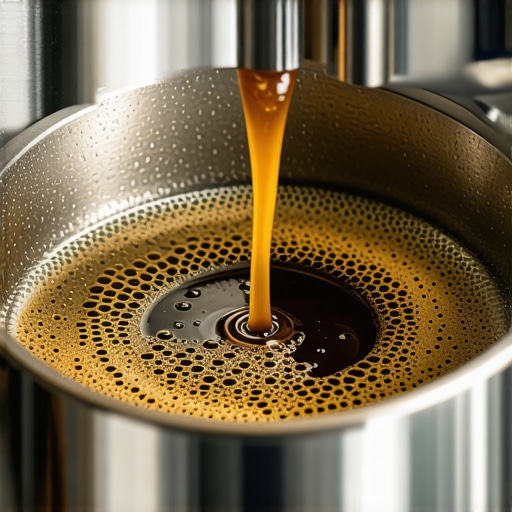
The error of grinding too fine for a pressurized basket
I vividly remember standing in my kitchen, sweat on my brow, as my first entry-level espresso machine emitted a high-pitched whine that sounded suspiciously like a cry for help. I’d just upgraded to a decent burr grinder and, following the “grind finer” mantra blindly, I set it to the finest notch possible. I was using a pressurized basket—those double-walled filters that come with most consumer machines—and I thought I was being a pro. Instead, I got two drops of bitter sludge and a pump that nearly shook itself off the counter. It was my first big “aha” moment: more isn’t always better, especially when it comes to grind size and specific portafilter tech. Today, I’m going to help you avoid that same mechanical heart attack and show you how to actually get a decent shot without stressing your gear. Have you ever heard your machine struggle and wondered if you were breaking it? Let me know, because I’ve definitely been there.
Stop Treating Your Pressurized Basket Like a Commercial Filter
Pressurized baskets are built with a tiny little hole at the bottom to create backpressure artificially. When you combine that mechanical restriction with a grind size meant for a non-pressurized basket, you create a literal wall of coffee that the water simply cannot penetrate. I see so many beginners mastering the art of home espresso who think they need to grind until the coffee feels like powdered sugar. In reality, the goal of extraction is balance, not just maximum resistance. If you’re using one of the top-rated espresso machines for coffee lovers in 2025 that relies on these baskets, your grind needs to be significantly coarser than what you see the pros using on YouTube. According to the Specialty Coffee Association (SCA), over-extraction and restricted flow lead to a hollow, bitter cup that lacks the nuance of the bean. My biggest early mistake was thinking my perfect coffee grinder was broken because it couldn’t “handle” the fine settings, when in fact, I was just using the wrong tool for the job.
Is That Pro-Level Grind Size Actually Worth the Hype?
You might be skeptical. You’ve been told that “real” espresso requires an ultra-fine grind that looks like dust. But here’s the truth: the pressurized basket is your safety net. It’s designed to give you that thick crema even if your beans aren’t perfectly fresh or your barista gear isn’t professional grade. If you are wondering why your espresso shot tastes like paper or ash, it might actually be because you’ve over-extracted the life out of those grounds by forcing water through a choked puck. We’re going to dial it back today and find that sweet spot that saves your pump and improves your flavor profile instantly.
Find Your Texture Without the Guesswork
To get a drinkable shot from a pressurized basket, you need to ignore almost everything you see on professional barista forums. Think of your coffee grounds not as a fine powder, but as tiny grains of sand. If you are using a standard burr grinder, the move that saves your grinder from unnecessary wear is finding a setting that feels like granulated table salt between your fingers. When I first started, I thought I had to hit the absolute finest setting to get that ‘pro’ result. I ended up with a machine that just hummed and vibrated until I realized why your coffee grinder is stalling with dark roast beans: I was creating a literal brick of coffee that the water couldn’t move. Once you find the trick to finding the true zero point on your grinder, back it off by at least three or four notches. You aren’t looking for dust; you’re looking for consistency.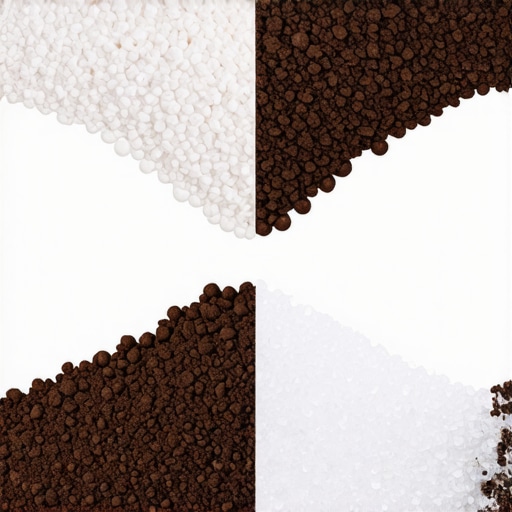
Fix the Flow Before You Break the Pump
If your machine sounds like it is straining to breathe, you are probably over-packing the basket. I remember one specific Tuesday morning when I was determined to get a 30-second extraction on a cheap machine. I dosed 18 grams into a pressurized basket meant for 14, tamped it with the force of a thousand suns, and hit the button. Silence. Then, a slow, deep thumping. When I finally gave up and twisted the portafilter off, the built-up pressure caused a ‘portafilter sneeze’—it exploded coffee grounds across my face, the cabinets, and even the ceiling. That mess taught me that the simple way to fix a gritty texture in your espresso isn’t to grind finer, but to let the basket do the work it was designed for. You want the water to flow freely enough that the pump doesn’t sound like it’s dying.
Stop Tamping Like a Heavyweight Champion
With a pressurized basket, your tamping technique should be incredibly light. Since the basket itself creates the backpressure with that single tiny exit hole, you don’t need a high-density puck to create resistance. In fact, over-tamping often leads to a situation why your espresso puck sticks to the shower screen after the shot is done. Just level the grounds and give them a gentle press to make the surface flat. If you find why your plastic tamper is making your espresso sour, it’s usually because it isn’t applying even pressure, causing the water to find a weak spot. Aim for a ‘soft-set’ puck. This allows the water to saturate the grounds evenly before the pressurized mechanism at the bottom of the basket forces the liquid through the small orifice, creating that aerated crema we all love. Keeping your dose consistent—around 14 to 15 grams for most standard double-wall baskets—will do more for your flavor than any expensive gadget ever could.Once you move past the pressurized basket phase, you enter the world of precision—and that is exactly where most home baristas start over-engineering their morning routine into a disaster. Everyone tells you that you need every gadget in the book, but in my experience, choosing the best barista gear for coffee enthusiasts isn’t about buying more; it’s about buying less and using it better. The biggest trap I see is the obsession with leveling tools. While they look sleek, why your distribution tool might be ruining your extraction usually comes down to the fact that they often compress the top layer while leaving air pockets at the bottom of the puck. 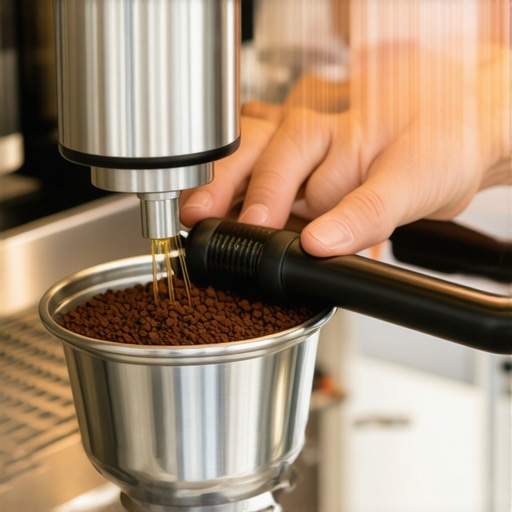 According to the experts at Barista Hustle, inconsistent density within the puck is the primary driver of channeling, and no amount of spinning a metal leveler can fix a poor initial pour. Have you ever fallen into this trap of buying gear to solve a technique problem? Let me know in the comments.
Stop Expecting Your Grinder Setting to Stay Perfect
Why Does Your Shot Extraction Time Change Every Single Morning?
One of the most frustrating nuances of home espresso is that a perfect 30-second shot yesterday might take 45 seconds today. You haven’t changed the dial, so what happened? The truth is that coffee is hygroscopic—it absorbs moisture from the air. This is why your shot extraction time changes every single day based on the humidity in your kitchen. If you don’t account for this, you might end up wondering why your espresso shot tastes salty and how to fix it when it’s actually just an under-extraction issue caused by environmental changes. Also, never forget that why the first shot of the day is always a throwaway is a real phenomenon; stale grounds trapped in the grinder chute from the night before will always skew your results. If you really want to level up, look into the right way to align your flat burrs for better shots rather than buying another shiny tamper. For those moving into milk-based drinks, the secret to silky microfoam on a single boiler machine isn’t just about the wand—it’s about the timing of the purge. Many beginners forget that the reason your pump pressure drops when you engage the steam wand is often due to the boiler not being at the correct temperature for dual operations. And if you are struggling with texture, the reason your steam wand only makes thin hot milk is usually a lack of stretching early in the process. Finally, why you should never leave water in your reservoir overnight is a lesson in both hygiene and mineral buildup that affects flavor long before it breaks the boiler. If you’ve ever wondered why your coffee tastes off despite using premium beans, it might be the biological film growing in your tank. Precision is a double-edged sword; the more advanced your gear, the more it demands from you in maintenance and awareness.After years of trial and error, I’ve realized that the difference between a hobbyist and a true enthusiast isn’t just the quality of the shot—it’s how the machine looks and performs six months later. If you want to prevent your internal pump from whining or seizing, you have to realize that why your machine needs a backflush every single week isn’t just a suggestion buried in the back of a manual; it’s a technical requirement to prevent rancid oil buildup from clogging your solenoids. When I finally cracked open my first E61 group head after a year of heavy use, I was horrified by the metal-on-metal friction. Learning how to properly lubricate your e61 group head cam changed the tactile feel of my morning ritual and extended the life of my seals. It is all about moving from ‘fixing problems’ to ‘preventing them’ before they start. 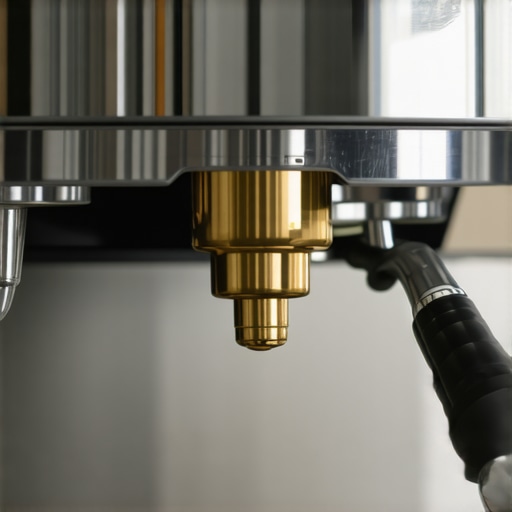 For those of you who just invested in a high-end unit, do not overlook the simple environmental factors. I’ve seen people spend thousands on a machine only to wonder why you should never leave water in your reservoir overnight once they see the slimy biological film and scale buildup in the tank. It is the little things that preserve the longevity of the top-rated espresso machines for coffee lovers in 2025 and keep them out of the repair shop.
Give Your Burrs the Respect They Deserve
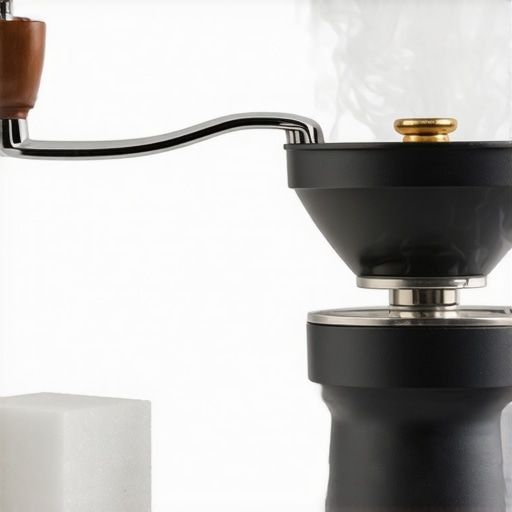
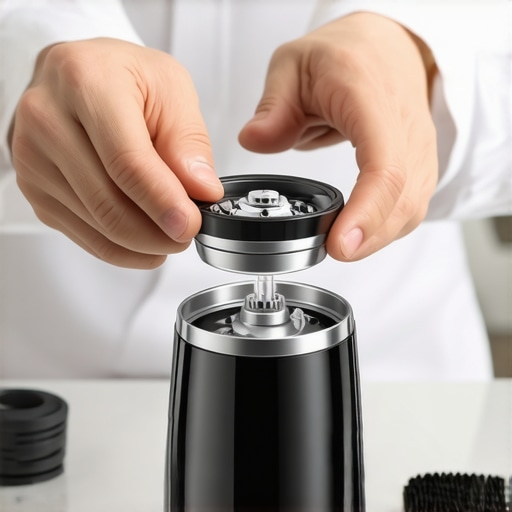
Maintaining your grinder is equally critical. If you have just upgraded your setup, you need to know how to properly season new steel burrs for better consistency. Basically, you need to run several kilograms of coffee through those burrs to smooth out the microscopic factory edges. Without this seasoning period, you will be chasing your tail with constant setting changes because the burrs are literally changing their friction profile every time you use them. Furthermore, you should be able to identify how to tell if your espresso grinder burrs are dull, as even the highest-grade titanium-coated steel loses its razor edge after enough use. Dull burrs don’t cut; they crush, creating excessive heat that kills the flavor before the water even touches it.
How do I keep my machine running like new for years?
To truly master the long-term game, you must become a student of water chemistry. According to the La Marzocco Water Specification Guide, the secret to equipment longevity is maintaining a total hardness between 90-150 ppm. Anything higher causes calcification that ruins boilers; anything lower can lead to aggressive corrosion of copper components. If you ignore your water quality, you will eventually find why your coffee scale is giving you inconsistent readings due to electrical interference from internal leaks or heat-induced erraticism. I personally use a dedicated workspace to keep things organized, and knowing how to pick a coffee mat that doesn’t absorb odors keeps my kitchen from smelling like a stale cafe. Looking forward, I predict we will see the rise of IoT-integrated pressure profiling, where your machine will literally send a notification to your phone when a gasket is nearing its failure point. Until then, you are the chief mechanic. I challenge you to pull your shower screen today and give it a deep clean—you will be amazed at the immediate flavor difference. I recommend trying a full group head teardown and lubrication this weekend to truly understand your gear.
The Hardest Lesson I Learned While Chasing the God Shot
After years of pulling shots, I have realized that the ‘perfect’ recipe is often a moving target that requires more than just a good bean. My biggest lightbulb moment happened when I stopped obsessing over the timer and started trusting my palate. Consistency is the true goal, but it is often sabotaged by the small things we overlook in our morning rush. For instance, I spent weeks troubleshooting sour extractions only to realize the benefit of pre-warming your portafilter head was the missing piece for thermal stability in my budget setup. Another hard truth? Your grinder is a hidden filth magnet. I used to ignore the internals until a bitter, rancid tang ruined a premium bag of beans; now, I swear by the mess-free way to clean a conical burr grinder as a mandatory monthly ritual. If you ever find why your espresso is flowing out of only one spout, do not panic—it is usually just a distribution issue, not a mechanical failure. Also, keep an eye on your waste management; the reason your drip tray is filling up faster than normal could be your machine’s way of signaling that a three-way solenoid valve is getting sticky from scale.
Tools and Wisdom That Transformed My Coffee Bar
To move beyond the beginner stage, you need to curate your environment and your education. I do not recommend buying every shiny accessory at once, but there are a few resources I trust implicitly. First, a high-quality milligram scale is non-negotiable for precision. Second, I highly recommend ‘The World Atlas of Coffee’ by James Hoffmann; it is the definitive text that helped me stop guessing and start understanding bean origins. Finally, a dedicated water filtration pitcher tailored for coffee, such as a Peak Water jug, ensures your water chemistry does not destroy your boiler. When you are choosing the best barista gear for coffee enthusiasts, prioritize these fundamentals over flashy gadgets that promise a shortcut to flavor.
Your Path to Home Barista Mastery Starts Tomorrow
Do not let the technical jargon or the occasional ‘portafilter sneeze’ discourage you. Every professional barista you admire started with a messy kitchen and a shot that tasted like battery acid. The true joy of mastering the art of home espresso is the journey itself—the morning you finally taste those elusive ‘blueberry’ notes in an Ethiopian roast and the quiet satisfaction of a machine that runs smoothly because you treated it with respect. You have the tools, you have the knowledge, and now you just need the patience to practice. Have you ever struggled with a shot that looked visually perfect but tasted absolutely terrible? Let me know in the comments below.