Why Your Group Head is Leaking Coffee Over the Rim
It was 6:45 AM, and the kitchen was perfectly quiet until the hissing started. I had just spent five minutes perfecting my puck prep with my favorite beans, expecting a beautiful, syrupy flow to fill the cup. Instead, a jet of hot water and muddy grounds began cascading over the rim of the portafilter, splashing onto my scale and pooling all over the expensive hardwood counter. It is a heart-sinking moment that every home barista faces eventually. You feel like your expensive machine is failing you, or worse, that you have forgotten how to pull a decent shot. But usually, it is just a small, inexpensive part crying out for help. Today, we are going to stop that overflow for good and get your machine back to its peak performance so you can actually enjoy your caffeine fix.
Stop the Flood and Save Your Morning Coffee
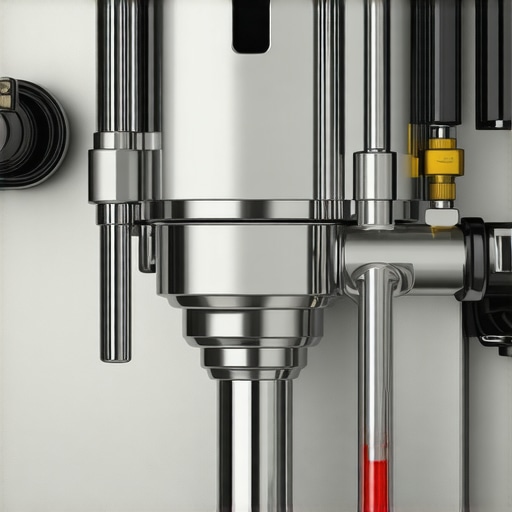
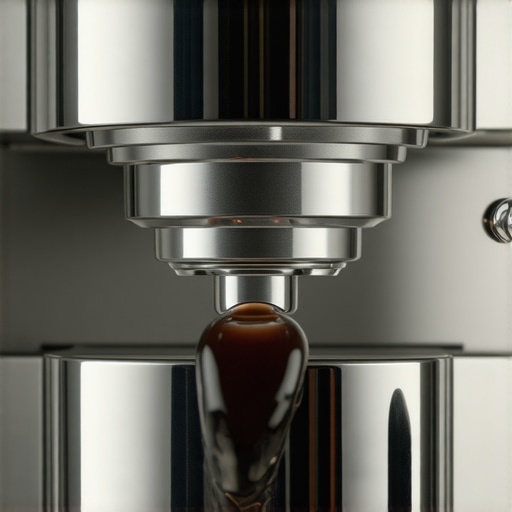
If you have been seeing water bypass the basket, you might instinctively think you are just grinding too fine or tamping with too much weight. I spent weeks over-analyzing my technique and weighing every gram, only to realize my machine was the one acting up. When you are mastering the art of home espresso, you eventually learn that the seal between your portafilter and the group head is a sacred boundary. [IMAGE_PLACEHOLDER] Once that seal is compromised, the pressure has nowhere to go but out the sides. It is not just about the mess; it is about the physics of a good extraction. Without a tight seal, you lose the pressure required to emulsify those coffee oils.
Is a Tiny Piece of Rubber Really Worth the Frustration?
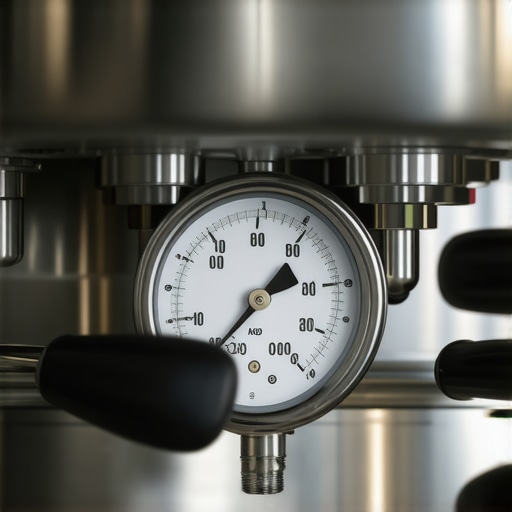
You might wonder if such a simple, cheap piece of rubber can really be the culprit behind a complete brew failure. The answer is a resounding yes. Your machine is trying to force water through a compacted puck of coffee at roughly 130 PSI. The Specialty Coffee Association (SCA) technical standards state that consistent pressure is non-negotiable for quality crema, and even a tiny hairline fracture in your seal causes a significant pressure leak. Early in my journey, I made the classic rookie mistake of thinking I could fix a leak by sheer force. I learned the hard way that your portafilter handle should never be tightened too far, as this actually deforms the gasket even faster and can even damage the brass lugs on your group head. If your seal feels hard, brittle, or doesn’t allow the handle to lock in at the usual 6 o’clock position, it is likely time for a change. Understanding the reason your portafilter gasket is getting brittle—usually a combination of constant heat and coffee oil buildup—is the first step toward a dry counter. Have you ever had your morning routine ruined by a sudden coffee explosion? Let me know in the comments if you have faced the ‘rim leak’! If the leak is persistent, you will need to know how to replace a group gasket without scratching the chrome of your machine, a process that is much easier than it looks. Next, I will show you how to diagnose exactly where your seal is failing.
Where Exactly Is the Water Coming From?
Before you start tearing things apart, you need to verify if the leak is actually the gasket or just a dirty rim. Sometimes, a single stray coffee ground on the edge of your basket acts like a tiny wedge, breaking the seal and letting high-pressure water escape. I remember a morning where I was convinced my pump was dying because of a massive leak, only to find a ‘shelf’ of dried coffee on the shower screen. When choosing the best barista gear for coffee enthusiasts, we often focus on the flashy items, but a simple group head brush is your first line of defense. Scrub the area where the basket meets the machine. If the leak persists after a thorough cleaning, you are definitely dealing with a hardened or cracked seal. This is a common issue when how to fix an espresso machine that is leaking from the bottom or sides becomes a necessary skill.
Scrub Away the Built-Up Coffee Tar
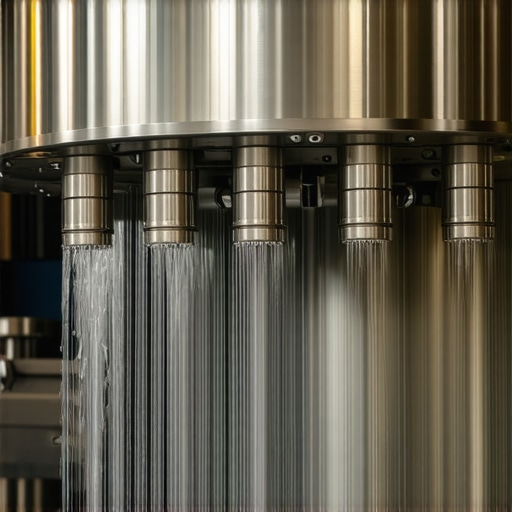
Once you have confirmed the gasket is the problem, you need to remove the shower screen. This is the metal mesh that distributes water over your puck. In many machines, a single screw holds it in place. Be careful—once that screw is out, the screen and often a brass or steel block (the dispersion plate) will drop out. 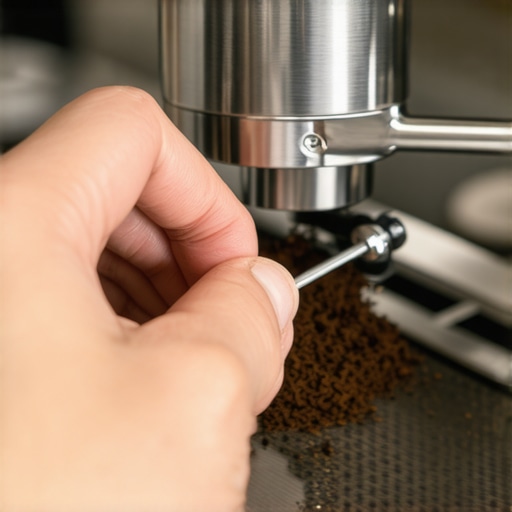 I once dropped a hot dispersion plate directly into my carafe of milk, which was a disastrous way to learn that components stay hot for a long time. While the screen is off, soak it in a backflush detergent. You want that metal to shine so water flows evenly. If you notice your basket is sticking during this process, learning how to remove a stuck basket from your portafilter will save you from bending your fingernails or damaging the metal.
Swap the Rubber Without Scarring Your Machine
Now for the tricky part: prying out the old gasket. If it has been in there for a year, it won’t be soft rubber anymore; it will be as hard as a hockey puck. Use a dental pick or a thin awl. Avoid using a flat-head screwdriver at all costs. I made the mistake of using a screwdriver on my first prosumer machine and left a deep gouge in the soft brass of the group head. That scratch created a permanent channel that leaked even with a brand-new seal. It is vital to know how to replace a group gasket without scratching the chrome to keep the sealing surface perfectly flat. Dig the pick into the center of the rubber and pull downward. It might come out in brittle chunks, and that is perfectly normal.
Orient the Seal for a Perfect Lock
When you have the new gasket in hand, look at the edges. One side is typically flat, and the other is slightly beveled or rounded. The general rule is ‘flat side up’ against the machine, while the beveled side faces the portafilter to help the basket slide into place. If you put it in upside down, you will find it incredibly difficult to lock your handle in, leading to the common frustration of how to fix the wobble in your coffee portafilter. Press the new seal in with your fingers first, then use your portafilter (without the basket) to ‘seat’ it by locking the handle firmly. This even pressure ensures the gasket is flush all the way around. This prevents the rubber from getting pinched, which is a major the reason your portafilter gasket is getting brittle or failing prematurely.It is easy to think that if you just upgrade to one of the top-rated espresso machines for coffee lovers in 2025, your morning maintenance headaches will simply vanish. But let’s dig deeper into the contrarian truth: the more expensive the machine, the more sensitive it becomes to the ‘invisible’ variables that most beginners ignore. While a budget machine might forgive a few days of neglect, a prosumer unit demands precision. One of the biggest traps I see enthusiasts fall into—especially after they have spent a fortune—is trying to be *too* clean. People often think that using pure, distilled water is the ultimate way to protect their investment. In reality, the mistake of using distilled water in your boiler can be catastrophic for your internals. Distilled water is chemically ‘hungry’; because it lacks minerals, it actually leaches metal from your copper or brass boiler and can cause premature degradation of those very seals we just discussed. When choosing the best barista gear for coffee enthusiasts, we often overlook the chemistry. A study by the Zurich University of Applied Sciences (ZHAW) on coffee extraction highlighted that specific cation concentrations (like calcium and magnesium) are essential not just for flavor, but for the electrochemical stability of the machine’s metal components. If you ignore this, you will be wondering how to tell if your water hardness is damaging your boiler much sooner than the manufacturer intended. The truth about using distilled water in your machine is that it creates a corrosive environment that turns your gasket replacement from an annual task into a monthly nightmare.
Can Your Water Chemistry Actually Eat Your Seals?
While heat is the primary reason for a brittle seal, the chemical composition of your water plays a silent, secondary role in rubber longevity. High chloride levels, for instance, can accelerate the breakdown of synthetic rubber components through oxidative stress. Beyond the water, watch out for the ‘sensor ghost’ that plagues advanced setups. Many baristas get frustrated when their high-end gear acts possessed. Have you ever wondered why your espresso scale turns off right when you start the shot? It is usually not a broken scale; it is electromagnetic interference from the vibratory pump or heat transfer through the metal drip tray. I have seen people throw away perfectly good gear because they did not realize a simple silicone mat could fix the ‘ghost’ in their machine. 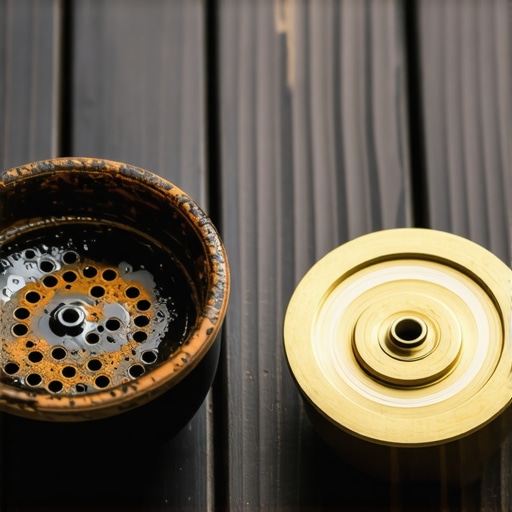 Another common ‘Oops’ involves the grinder. Most people think they need to purge a pound of coffee when changing settings to avoid old grounds. However, if you know how to stop your grinder from retaining coffee without a bellows, you can save a fortune in beans while keeping your shots consistent. Have you ever fallen into the trap of over-engineering your setup only to find the simplest part was the problem? Let me know in the comments! Establishing a deep understanding of these nuances is what separates a hobbyist from a master. It is not just about pulling the lever; it is about managing the environment that allows the lever to work.Beyond just the gasket, the rest of your machine needs a proactive strategy to avoid a total system failure. I have found that the biggest threat to my morning peace of mind is bio-slime. If you are not careful, you will eventually need to know how to stop your water tank from growing algae, which is as unpleasant as it sounds. I personally use a silver ion stick in my reservoir to keep things sterile without affecting the taste profile of my light roasts. This is also why the risk of leaving your machines water intake tube dirty is so high; that tube is a direct highway for bacteria into your boiler. For my heavy-duty gear, I stick to the best routine for a weekend deep clean, which includes a full chemical backflush. According to the official La Marzocco technical manual for prosumer machines, neglecting the expansion valve check can lead to erratic pressure spikes that wear out your pump prematurely. I personally make it a habit to check how to adjust the expansion valve on your prosumer machine every six months to ensure my extraction remains stable at exactly nine bars.
How do I maintain my grinder’s precision over time?
Your grinder is the real heart of your setup, but those steel burrs are wearing down with every pound of beans you pour through them. To keep mine sharp, I perform a manual burr alignment once a year using the ‘marker test’ method. If you ever feel like your shots are wandering despite no changes in your workflow, you should learn how to swap your grinder burrs without losing your settings. When you do eventually get new burrs, do not expect perfection immediately; you need to know the best way to season new grinder burrs fast to achieve that ideal particle distribution. Looking ahead, I predict we will see more top-rated espresso machines for coffee lovers in 2025 integrating internal conductivity sensors that detect scale buildup in real-time. This ‘predictive maintenance’ will take the guesswork out of water chemistry and save us from the panic of how to tell if your water hardness is damaging your boiler. If your machine is already acting strangely, such as why your machine boiler is constantly refilling, it is a clear sign that a level probe is likely scaled over or faulty.  My challenge for you this weekend is simple: don’t just pull your shots and walk away—take five minutes to deep-clean your group head and inspect your water reservoir. Your future self will thank you for the consistency.
The Reality of Maintenance They Don’t Mention in the Manual
After years of tinkering with various espresso machines, I’ve realized that the ‘set it and forget it’ mentality is the quickest way to ruin your morning ritual. One of the most significant lightbulb moments for me was realizing that the problem with cheap spring-loaded tampers isn’t just about the compression; it’s about how uneven pressure can actually wear down your basket and seal over time. I also learned that you can’t just buy your way out of maintenance. Even if you own one of the most expensive units, ignoring the group head cleaning will eventually lead to a ‘rim leak’ that no amount of money can fix. Finally, don’t ignore the sounds—that slight hiss or ‘chuff’ is the machine’s way of telling you that the pressure isn’t where it needs to be.
A Focused Toolkit for Every Modern Barista
If you want to stop guessing and start brewing, you need more than just the machine. When choosing the best barista gear for coffee enthusiasts, I always suggest prioritizing a high-quality group head brush and a set of dental picks for gasket removal. Furthermore, knowing how to select the perfect coffee grinder for your brew is only half the battle; you also need a reliable water testing kit to monitor hardness. I personally trust the technical standards for water chemistry, as they provide a clear roadmap for protecting your boiler from scale and corrosion.
Your Next Great Shot Is Just One Seal Away
Taking your machine apart for the first time can be intimidating, but it is the most rewarding step in mastering the art of home espresso. By replacing that brittle gasket and cleaning your shower screen, you aren’t just fixing a leak; you are reclaiming the quality of your coffee. Your espresso machines are precision instruments, and they deserve that small bit of extra care. Don’t be afraid to get your hands a little dirty to keep that syrupy flow perfect every morning. Have you ever struggled with a gasket that just wouldn’t budge or a leak that seemed impossible to find? Let me know in the comments below!