Why Your Espresso Machine Is Discharging Too Much Water into the Drip Tray
There I was, barely awake at 6:30 AM, reaching for my favorite mug, only to find my feet soaking wet. My kitchen counter had become a miniature lake, and the culprit was my beloved espresso machine, which had decided to dump its entire reservoir into the drip tray overnight. It is a soul-crushing moment when your morning ritual turns into a plumbing crisis. If you have ever pulled a shot only to see the drip tray fill up faster than your cup, you know exactly the frustration I am talking about. Today, we are going to dive into why this happens and how you can reclaim your dry countertops without needing a degree in hydraulic engineering.
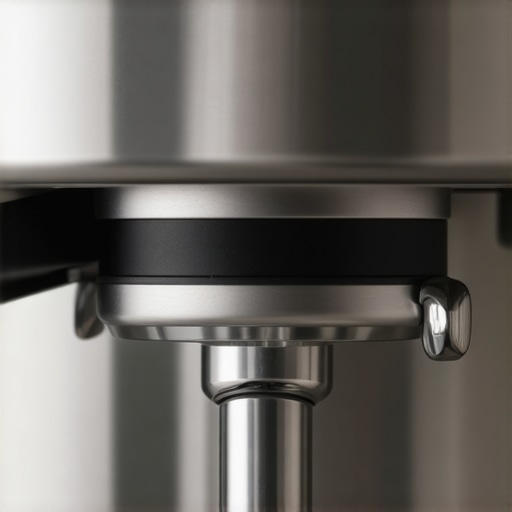
I used to think that a little extra water was just the machine ‘breathing.’ I ignored the slow creep of the water line until it warped my wooden cabinets. That was a costly mistake I do not want you to repeat. When you are mastering the art of home espresso, you learn quickly that every drop of water has a purpose, and when it is ending up in the tray instead of the portafilter, something is definitely off. Whether it is a failing 3-way solenoid or a misbehaving over-pressure valve, we are going to pin down the culprit. [image placeholder]
Stop the Flood Before It Ruins Your Morning
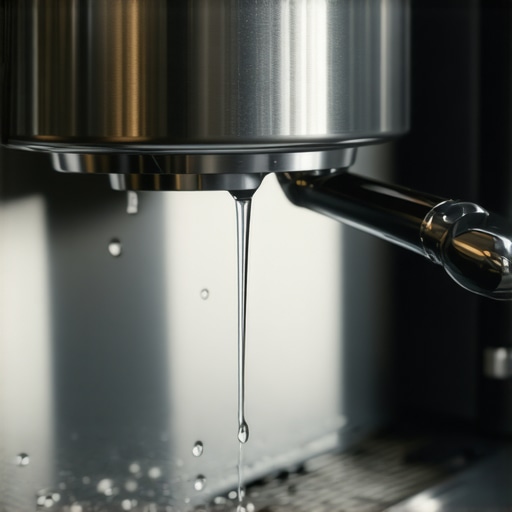
Actually, seeing some water in the tray is normal; it is the sheer volume that signals trouble. Most top-rated espresso machines use a three-way solenoid valve to depressurize the group head after a shot. This naturally vents a bit of water. However, when you start noticing that your drip tray is filling up even when you are not pulling shots, you are likely looking at a scale buildup or a worn-out gasket inside the valve. Have you ever walked into the kitchen and heard a faint, persistent hissing sound coming from your machine? That is the sound of your peace of mind—and your water bill—leaking away.
Is your machine actually broken or just thirsty for a cleaning?
I remember the first time I took my machine apart, certain I needed a whole new pump. It turns out, a tiny grain of sand-like limescale was propping the valve open. According to the Specialty Coffee Association’s technical standards, water hardness is the leading cause of component failure in home brewing equipment. If you do not descale regularly, those minerals turn into jagged rocks that chew through rubber seals. Before you panic, check if you might just need to spot a failing solenoid valve before it completely gives up the ghost. Have you ever felt like your machine was working against you instead of for you? Drop a comment below and let me know if your drip tray has ever staged a protest like mine did. It is a common headache, but once you know where to look, it is a surprisingly satisfying fix. We are going to look at the Over Pressure Valve (OPV) next, because that little component is often the secret reason for a watery mess.
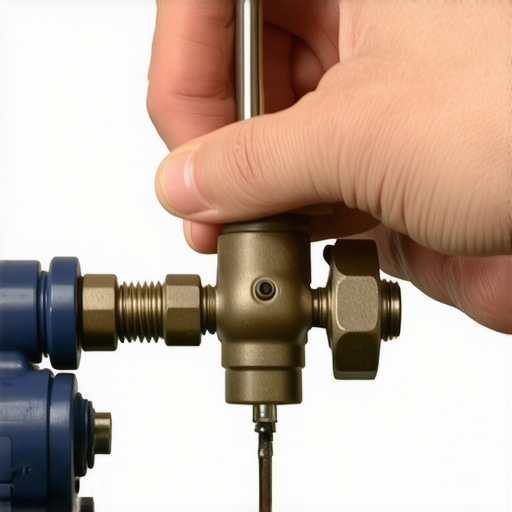
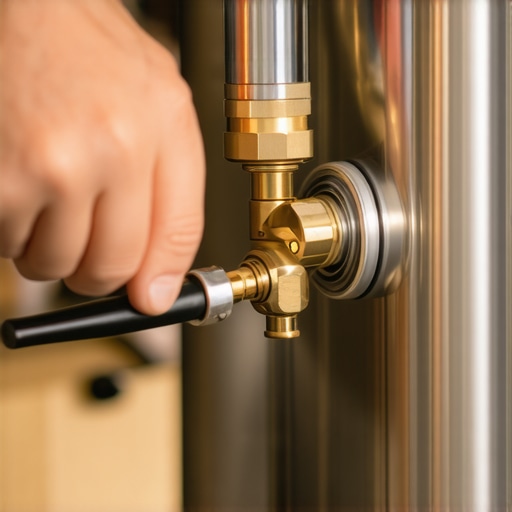
The Over Pressure Valve (OPV) is essentially the bouncer of your espresso machine. Its job is to keep the pressure from getting too high—usually around 9 bars—by redirecting excess water back to the tank or the drip tray. When this bouncer gets tired or dirty, it starts letting everyone out, even the water that should be heading to your portafilter. I once spent three hours tinkering with my machine because my shots felt weak and watery, only to realize why your espresso pressure drops suddenly during the shot was actually the OPV stuck wide open, dumping my brew water directly into the tray instead of pushing it through the coffee puck.
Find the Leak Before the Water Hits the Floor
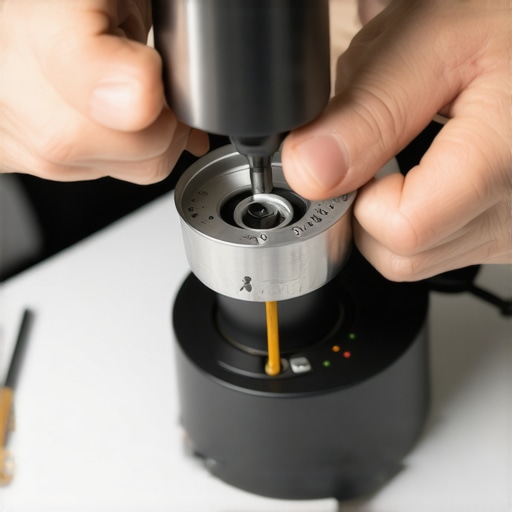
I remember specifically trying to ‘tighten’ my OPV on a Friday night after a particularly messy spill. I used a wrench that was slightly too big, slipped, and almost cracked the plastic housing. When I finally got the component apart, I found a single flake of calcium the size of a pepper grain wedged in the spring. Once I cleaned it, the machine was quiet and dry again. It is a delicate balance; if you are choosing the best barista gear for coffee enthusiasts, make sure you have a set of precision screwdrivers and small pliers for these internal adjustments. A loose connection or a tiny piece of grit is often all it takes to turn your machine into a fountain.
How to Tell if the OPV Is the Real Culprit
To diagnose this, run a shot with a blind basket (the one used for backflushing). If you see a steady stream of water pouring into the drip tray from the internal discharge pipe while the pump is straining, your OPV is venting too early. This is usually due to a weakened spring or scale buildup. Knowing how to check your espresso machines group head flow rate will tell you if the water is actually making it to the coffee or being diverted early. If the flow rate is significantly lower than the manufacturer’s spec, that ‘missing’ water is likely what is filling your tray.
Stop Limescale From Sabotaging Your Internal Seals
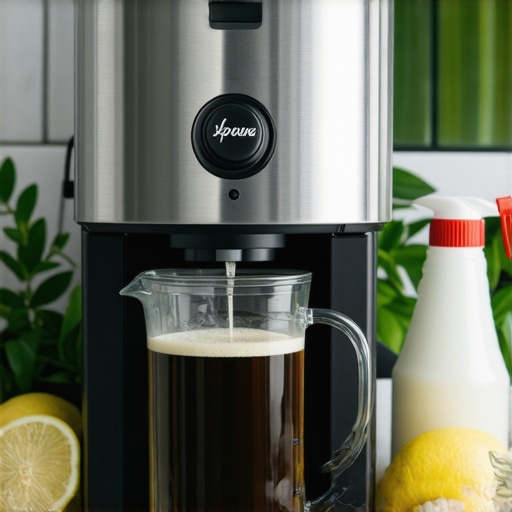
If your drip tray is filling up while the machine is just sitting there idling, you are likely dealing with a ‘weeping’ solenoid valve. Think of it like a faucet that won’t quite shut off. This usually happens because you haven’t performed the best way to descale a boiler without using harsh vinegar. Vinegar is too weak for heavy buildup and can leave a nasty, lingering aftertaste. You need a dedicated descaler that breaks down the mineral ‘teeth’ that are biting into your rubber gaskets and preventing them from sealing properly.
Clear the Debris Without Breaking the Machine
Before you go buying a new solenoid, try a heavy backflush with a cleaning detergent. This high-pressure cleaning forces soap through the discharge path, which can often dislodge whatever is propping the valve open. Sometimes the leak isn’t coming from deep inside the machine but from the group head itself, trickling down the front. If you see water bypass the puck, it might be time to use the trick to removing a stuck shower screen without stripping the screw to inspect the area. A clogged screen forces water back up and out through the relief valve. While you are in there, keep an eye out for steam leaks. If you notice why your espresso machine is leaking steam from the top, it can cause condensation that eventually pools in the tray, making a simple o-ring failure look like a catastrophic plumbing issue.
Many coffee enthusiasts believe that a filling drip tray is purely a mechanical failure of the valves, but after years of tinkering, I have found that the problem often starts at the grinder. If you are struggling with why your coffee grounds are clumping like little rocks, you might be creating excessive back-pressure without realizing it. When the water cannot penetrate a compacted or uneven puck, it has nowhere to go but back through the Over Pressure Valve. I have seen countless home baristas tear their machines apart looking for a leak, only to find that their grind was simply too fine for the machine’s pump to handle. Have you ever fallen into this trap? Let me know in the comments.
Don’t Blame the Valve Until You Check Your Basket
Everyone says a full tray means a broken solenoid, but in my experience, a mismatched dose is the silent culprit. If you are using a basket that is too big for your dose, the headspace between the shower screen and the puck becomes a cavern of high-pressure water that must be evacuated the moment the shot ends. This leads to why your coffee puck keeps sticking to the shower screen and an unusually large volume of water being dumped into your tray. Before you start replacing parts, learn how to tell if your basket is too large for your dose to ensure your machine is working efficiently.
Why does your pump struggle even when the valves are clean?
The internal physics of your machine are more delicate than they appear. According to a 2020 study published in the journal Matter by researchers at the University of Oregon, the uniformity of the coffee bed is the primary driver of pressure stability. When your puck is uneven, the pump works harder to maintain the 9-bar standard, often bypassing water through the OPV to prevent damage. This is a common ‘oops’ factor: assuming the machine is broken when why your espresso shot is extracting from only the edges of the basket is actually the reason for the excess water. You might be reaching for a wrench when you should be reaching for a WDT tool or choosing the best barista gear for coffee enthusiasts to fix your distribution.
The Hidden Trap of Over-Cleaning Your Internals
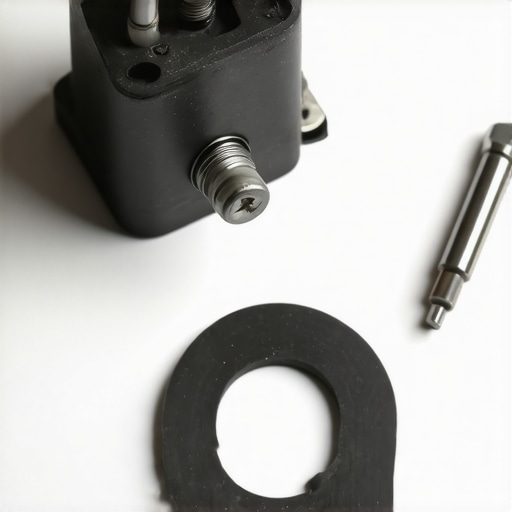
There is such a thing as being too clean. I once met a barista who backflushed their machine with detergent after every single shot. While cleanliness is vital, excessive use of harsh chemicals can actually strip the food-grade lubricant from the internal seals of the 3-way solenoid. This leads to a ‘sticky’ valve that doesn’t close fully, causing a constant weep into the drip tray. If you find yourself needing to fix a drip tray that leaks into the machine body, check the state of your gaskets first. A dry, brittle gasket caused by chemical over-exposure is far more common than a mechanical motor failure. When mastering the art of home espresso, remember that moderation applies to maintenance just as much as it does to extraction. A well-lubricated machine is a dry machine.
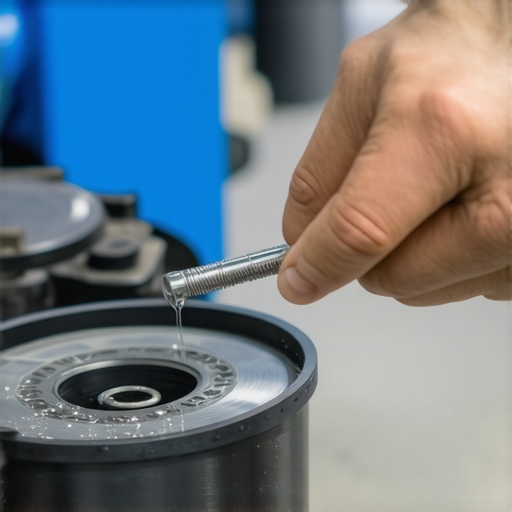
Moving past the panic of a wet countertop, I have realized that the longevity of our gear depends more on the small, consistent habits than the big, dramatic repairs. If you have already managed to fix a drip tray that leaks into the machine body, you are ahead of the game. But to keep those valves from seizing and the pump from groaning, you need a specific set of tools that go beyond the basic plastic spoon. I personally swear by Molykote 111, a high-viscosity food-grade silicone grease. I use it every few months when I am properly lubricating my e61 group head cam. Without it, the metal-on-metal friction eventually grinds down the brass components, leading to that annoying ‘stiff’ lever feel and eventual leaks.
Why the Right Tools Save You Hundreds in Repair Bills
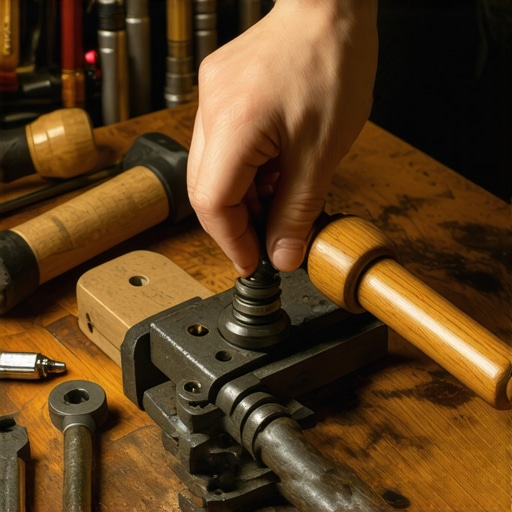
I used to use generic brushes, but they would shed bristles into the group head, which is a disaster waiting to happen. Now, I use a group head brush with stiff, angled nylon bristles that can actually reach the gasket track. While you are at it, consider choosing the best barista gear for coffee enthusiasts that includes a dedicated pick for O-rings. Removing a hardened gasket with a flathead screwdriver is a recipe for a scratched group head. According to the technical documentation from La Marzocco’s Home division, the preventative replacement of group gaskets every six months is the single most effective way to prevent 90% of front-facing leaks. I have followed this religiously, and my daily driver has not leaked a drop in three years. [image placeholder]
How do I maintain my home espresso setup over the long haul?
Maintenance is not just about the machine; it is about the peripherals too. I make it a point to perform the best way to clean a grinder without taking it apart at least once a month. Old coffee oils go rancid and act like glue for the internal adjustment rings. If you find the reason your grinder adjustment ring feels gritty or stuck, it is usually because those oils have bonded with fine dust. I also recommend a quarterly inspection of the steam wand. I have seen folks struggle with why your steam wand tips keep getting blocked by milk residue, only to find the blockage has backed up into the pipe. Taking the time to clean the inside of your steam wand pipe ensures you are not just blowing old milk into your fresh latte.
The Future of Smart Maintenance and AI Integration
Looking ahead, I predict we will see more machines with integrated water hardness sensors and ‘smart’ maintenance alerts that actually block the machine from running if a descaling cycle is overdue. We are already seeing top-rated espresso machines incorporating pressure transducers that can alert you to a failing pump before it dies. If you want to stay ahead of the curve, the move for better espresso without buying a new machine involves investing in these precision monitoring tools now. My challenge to you this weekend is to pull your shower screen and check for hidden scale—you might be surprised what is hiding behind that stainless steel mesh. If you hit a snag, feel free to contact us for advice on your specific model.
What I Learned the Hard Way While Mopping My Kitchen Floor
After years of wrestling with overflow issues, I have realized that most problems are entirely preventable. First, water hardness is not a suggestion; it is a machine killer. If you do not track your mineral levels, your solenoid will eventually pay the price in the form of a constant leak. Second, do not assume every leak is a broken part. Often, it is just a sign that your puck resistance is too high, causing the OPV to work overtime. Third, consistency in your workflow prevents these ‘phantom’ leaks. If you notice why your espresso shot volume varies even with the same dose, check your valves before you blame the pump. Sometimes, your machine is just trying to tell you that its internal plumbing needs a little breathing room.
Gear That Keeps My Machine and My Floor Bone Dry
To keep my setup running smoothly, I rely on a few specific items that every enthusiast should have in their cabinet. I always keep Molykote 111 on hand for internal seals; it is the gold standard for food-grade lubrication and stops those ‘weeping’ leaks before they start. A set of stainless steel dental-style picks is also vital for removing stubborn gaskets without scratching the delicate group head. If you are still building your setup, learning how to select the perfect coffee grinder for your brew is a great starting point, as a quality grinder reduces the fine dust that clogs your internal paths. Lastly, keep a dedicated citric acid-based descaler handy—but be warned, you might need to know the reason your espresso tastes metallic after descaling if you do not rinse the boiler thoroughly enough. [image placeholder]
Take Back Control of Your Morning Ritual
Your espresso machine is a complex piece of engineering, but it is not an unsolvable mystery. By paying attention to the small signs—a hiss, a slow drip, or a slightly fuller tray—you can prevent the catastrophic spills that ruin your kitchen cabinets and your mood. Mastering home espresso is about developing an intuition for your equipment and understanding the language of pressure and flow. Do not be afraid to open the casing and look inside; that is where the real connection to your coffee craft begins. Have you ever found a mysterious puddle under your machine or struggled with a solenoid valve that just would not close? Let me know your survival story in the comments below!