Why Your Espresso Shot Has No Crema Even With Fresh Beans
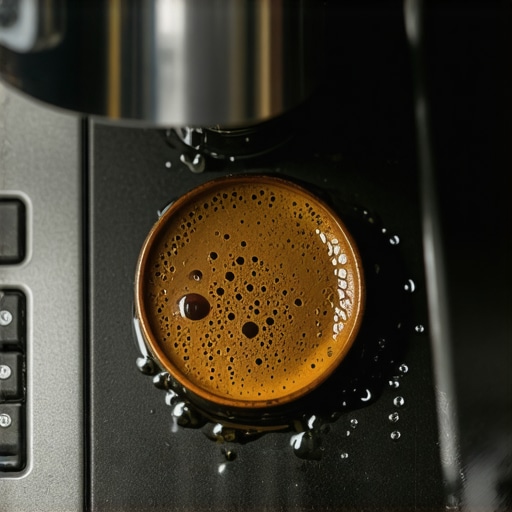
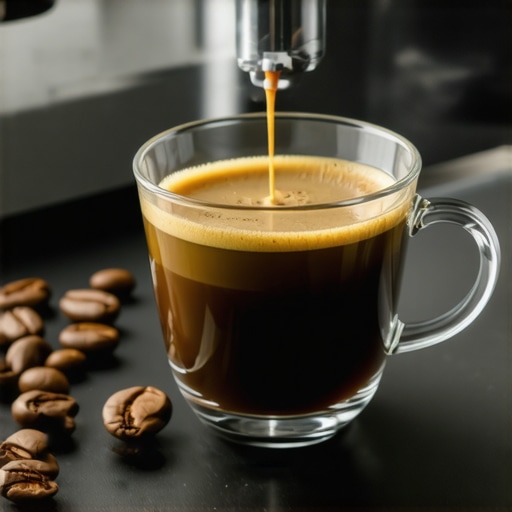
I stood there in my pajamas, staring into the bottom of my glass with a mix of confusion and pure frustration. I had done everything “right”: the locally roasted beans were only three days off the roast, I had invested in a setup that would make a barista blush, and I had timed the shot perfectly. Yet, my cup looked like a sad puddle of black ink. No tiger-striping, no thick golden velvet, just a flat, lifeless liquid that looked more like soy sauce than espresso. It felt like a personal insult. If you have ever felt that sinking realization that your kitchen looks like a cafe but your coffee tastes like a mistake, I have been exactly where you are, and I can tell you why your beans are keeping secrets from you.
The Frustrating Mystery of the Missing Golden Foam
Crema is often treated like the holy grail of brewing, but it is really just a sign that your variables are in harmony. When I first started mastering the art of home espresso, I made the classic mistake of thinking fresh beans were a “get out of jail free” card. I would dump them into my hopper, hit the button, and pray. But crema is a physics problem—CO2 escaping from the bean and getting trapped in the oils under pressure. According to technical studies by the International Coffee Organization, the presence of crema is a direct result of the emulsification of coffee oils and pressurized gases, a process that can be disrupted by even the tiniest misalignment in your routine. It is not just about the bean; it is about the environment you create for it.
Is my expensive espresso machine actually a dud?
It is the first thing we all think when the shot comes out thin. You spent a month’s rent on a machine, so you assume the hardware is failing you. Most of the time, the machine is perfectly capable, but the settings are fighting the beans. I once spent two hours troubleshooting why my pressure gauge stayed at zero, only to realize I was making a simple error in my puck preparation. It is a humbling experience, but it is a necessary part of the learning curve. Have you ever found yourself staring at your machine, wondering if you should have just stuck to a basic drip brewer?
Why fresh beans are only half the battle
The truth is, even the freshest beans in the world won’t produce that beautiful head of foam if your extraction physics are off. If you are grinding too fine for a pressurized basket, or perhaps too coarse for a standard one, the water simply cannot build the resistance needed to create crema. I used to think a “salty” or thin shot was just the bean’s personality until I figured out why shots taste salty and how to fix them. Today, we are going to dive into the specific mechanical and technique-based reasons why your crema is missing in action, even when your beans are at their peak freshness.
To get that thick, honey-like flow, you have to treat your grinder like a precision instrument rather than a kitchen blender. Think of your coffee puck as a complex filter bed. If the grains are too large, the water races through like a mountain stream over boulders, picking up zero flavor. If they are as fine as flour, the machine chokes. I remember one Tuesday morning when I was so desperate for a hit of caffeine that I skipped my usual dial-in routine. I didn’t bother using the trick to finding the true zero point on your grinder and ended up with a mess that tasted like burnt rubber. It was a wake-up call: consistency isn’t an accident; it is a discipline.
Stop Chasing the Machine and Start Watching the Grind
Before you blame your boiler, look at your burrs. If you are using one of the top-rated espresso machines for coffee lovers in 2025, you have the power, but you need the right resistance. Your grind size is the only thing that creates the backpressure required to emulsify those oils. If the grind is too coarse, you will wonder why your espresso puck is always soupy at the end. A soupy puck is often the physical evidence that the water didn’t encounter enough resistance to stay under pressure, leading to a fast, crema-less flow.
Find the Sweet Spot Between Powder and Sand
When you are adjusting your settings, move in tiny increments. Most people swing the dial wildly from one side to the other. Instead, think of it like tuning a guitar string. A tiny nudge makes a massive difference in pitch—or in this case, extraction time. If your shot is pulling in 15 seconds, you are in the ‘sand’ zone. You need to move toward ‘powder’ until that 30ml shot takes about 25 to 30 seconds to drop. This is why knowing how to select the perfect coffee grinder for your brew is so critical; without micro-adjustments, you are just guessing.
The Move for More Consistent Puck Compression
Even with a perfect grind, a crooked tamp will ruin everything. Water is lazy; it will always take the path of least resistance. If your puck is slanted, the water will blast through the thin side, creating ‘channels.’ This results in a shot that is simultaneously sour and bitter. I once struggled with a wobbly shot for weeks until I focused on the move for more consistent puck compression. By keeping my thumb and forefinger on the edge of the basket as I tamped, I could feel if the level was off before I ever hit the brew button. It is a simple tactile check that ensures the water hits the entire coffee bed evenly.
Clean Out the Old Oils or Ruin Your Fresh Beans
You can buy the most expensive beans in the world, but if they are traveling through a dirty group head, they will taste like last month’s burnt toast. Coffee oils are incredibly volatile and turn rancid quickly when exposed to heat. This is why your machine needs a backflush every single week. Without this maintenance, those old, sticky residues block the tiny holes in your shower screen, disrupting the water flow and killing any chance of a clean, vibrant crema. Think of it like cooking a five-star meal in a pan that hasn’t been washed in a week—it just doesn’t work.
Stop Obsessing Over the 15-Bar Marketing Myth
One of the most pervasive myths in the home coffee world is that higher pressure equals better espresso. You see ’15 bars’ plastered on the boxes of entry-level machines, but in reality, that excessive pressure is often the enemy of a balanced shot. The industry standard, and the setting used by professional baristas worldwide, is actually 9 bars. When you push water through a coffee puck at 15 bars, you aren’t getting more flavor; you are likely compacting the grounds so tightly that the water creates tiny tunnels—channels—that result in a watery, bitter mess. If your machine is hitting those high numbers and your coffee tastes harsh, it might be time to learn the easy way to test your pump pressure at home. Lowering that pressure can often turn a ‘standard’ machine into a flavor powerhouse.
The Hidden Danger of Using Purified Water
You might think you are doing your machine a favor by using the cleanest water possible, but the truth about using distilled water in your machine is that it can be a recipe for disaster. Espresso machines rely on the mineral content in water to register levels on their sensors. Without those minerals, your machine might think the tank is empty when it is full, or worse, the water will actually ‘leach’ minerals from your copper boiler, causing permanent damage over time. Furthermore, the Specialty Coffee Association (SCA) emphasizes that specific minerals like magnesium and calcium are essential for ‘grabbing’ flavor compounds from the grounds. Without them, your expensive beans will always taste flat and dull. Have you ever fallen into this trap? Let me know in the comments.
Why does my shot time change every single day even when I change nothing?
It is the ultimate morning frustration: you perfected your grind yesterday, but today the shot is running five seconds faster. This happens because coffee beans are hygroscopic—they absorb moisture from the air. A humid morning makes the beans swell, while a dry afternoon makes them more brittle. This is why your shot extraction time changes every single day regardless of your equipment. Beyond the weather, even the physical weight of the beans in your hopper matters; why your shots taste different on a full hopper often comes down to ‘bean weight pressure’ pushing the coffee into the burrs more consistently than when the hopper is nearly empty.
The Distribution Tool Trap
We have all seen the satisfying videos of spinny distribution tools creating a perfectly flat surface, but I have found that they often do more harm than good if used incorrectly. These tools frequently only groom the very top layer of the coffee, leaving the bottom of the puck uneven and prone to channeling. In many cases, why your distribution tool might be ruining your extraction is because it provides a false sense of security. I prefer a simple WDT (wire tool) to break up clumps throughout the entire depth of the basket. If you are struggling with consistency on a smaller budget, focusing on the move for better temperature stability on entry-level units, such as a quick ‘cooling flush’ before your shot, will yield far better results than any fancy spinning gadget ever will.
Keeping the Steam Flowing Without the Gunk
Once you have nailed your distribution, the biggest threat to your morning ritual isn’t a bad bean—it is the slow, invisible buildup of calcium and old milk. I used to be incredibly lazy about my steam wand, giving it a quick wipe and moving on. Then one day, my microfoam started looking like dish soap. I realized that dried milk proteins had migrated inside the tip. Learning the one-way to fix a clogged steam wand without chemicals saved me from a costly repair bill and immediately restored that silky texture. Now, I make it a habit to purge before and after every single use, a small movement that prevents the ‘milk vacuum’ effect from pulling debris into your boiler.
How do I keep my espresso setup in peak condition for years?
Consistency over time requires more than just a daily wipe-down; it requires a deep understanding of your machine’s internal health. According to technical guides from La Marzocco Home, group gaskets should be replaced every 6 to 12 months to prevent leaks and maintain proper pressure during extraction. I personally set a calendar reminder for a monthly ‘deep dive.’ This includes the best routine for a weekend-deep-clean, where I soak my portafilters and backflush with a specialized detergent. If you notice your shots are tasting bitter despite a perfect grind, it might be the simple way to fix a gritty texture in your espresso by focusing on a thorough group head scrub. Neglecting this is like driving a car for years without an oil change—it might run, but it won’t run well.
Don’t Let Static Ruin Your Workflow
If you are frustrated by coffee grounds flying everywhere, you aren’t alone. Static electricity is the hidden enemy of the home barista, especially in winter. I used to spend five minutes cleaning my counter after every shot until I learned how to stop static from ruining your grinding workflow. A single drop of water on your beans before grinding—known as the Ross Droplet Technique—neutralizes the charge and keeps the grounds in the catch cup where they belong. While you are at it, keep an ear out for your equipment’s health. If you hear strange noises, knowing the reason your grinder makes a thumping noise during use can help you identify a pebble or a loose burr before it causes permanent damage.
Why I Stopped Buying Cheap Accessories
In the beginning, I thought I could save money by buying generic tools. I quickly learned that choosing the best barista gear for coffee enthusiasts isn’t about snobbery; it’s about precision. A cheap, lightweight tamper often leads to uneven pressure, which is exactly why your plastic tamper is making your espresso sour. I switched to a heavy, stainless steel calibrated tamper, and my shot-to-shot consistency skyrocketed. Similarly, if you enjoy milk-based drinks, investing in milk frothers that transform your coffee experience or high-quality pitchers can be the difference between a blob of foam and true latte art.
The Future of the Home Cafe
I predict that the next five years will see a massive shift toward ‘smart’ maintenance. We are already seeing top-rated espresso machines for coffee lovers in 2025 that track mineral buildup in real-time and alert your phone when it’s time to descale. The days of guessing when to swap your burrs are numbered. However, no matter how advanced the tech gets, the fundamentals of cleanliness will always remain. My challenge to you: Perform a full backflush today and see if you can taste the difference in your very next shot. You might be surprised at the flavor you’ve been missing under those old oils.
The Harsh Lessons No One Told Me About My Setup
After years of chasing the “perfect” shot, I realized that the secret isn’t just in the equipment, but in the small sacrifices we make for consistency. One of the hardest pills to swallow was realizing why the first shot of the day is always a throwaway. No matter how good your gear is, those stale grounds sitting in the chute from the night before will ruin your morning if you don’t purge them. I also learned that patience is a literal requirement; you can’t expect magic from new equipment until you’ve learned the best way to season new grinder burrs fast. Burrs need to be “broken in” before they produce the uniform particles required for that syrupy crema we all crave.
The Tools That Finally Made It All Click
If I had to start over today, I wouldn’t waste money on fancy aesthetic gadgets. I would focus on the “big three”: a rock-solid machine, a precision grinder, and maintenance. When you are deciding how to select the perfect coffee grinder for your brew, look for stepless adjustment—it is the only way to truly “dial in” a bean. For those who love milk-based drinks, I highly recommend checking out milk frothers that transform your coffee experience to ensure your texture matches the quality of your espresso. You can find my full list of vetted recommendations in my guide on choosing the best barista gear for coffee enthusiasts. I trust these specific tools because they prioritize mechanical reliability over flashy digital screens that tend to fail after a year.
#IMAGE_PLACEHOLDER_E#
You Are Just One Adjustment Away from Coffee Perfection
Mastering home espresso is not a destination; it is a delicious, slightly caffeinated hobby. Every sour shot or thin flow is just data telling you how to get better. Don’t be discouraged by a bad morning—even the pros had to start with mastering the art of home espresso tips for beginners. Your machine is a tool, but your palate is the true instrument. Keep brewing, keep tasting, and don’t be afraid to change your routine if the results aren’t hitting the mark. Which of these variables has been your biggest headache lately—the grind size, the water chemistry, or something else entirely? Let me know in the comments below!